Biography
Born in Belgium in 1977, Stijn Ank begins sculpting as a child. Giving stance to matter and giving stance to one’s own life are connected and at the heart of his work.

Sculptures
The journey of “learning to stand” — or learning to take a stance — begins with exploring the body’s relationship to space, using earthy materials like clay and plaster. From 2005 to 2008, the work undergoes a cycle of creation and destruction, repeatedly built and stripped down until its recognizable shape disappears and is unable to take a stance any longer.
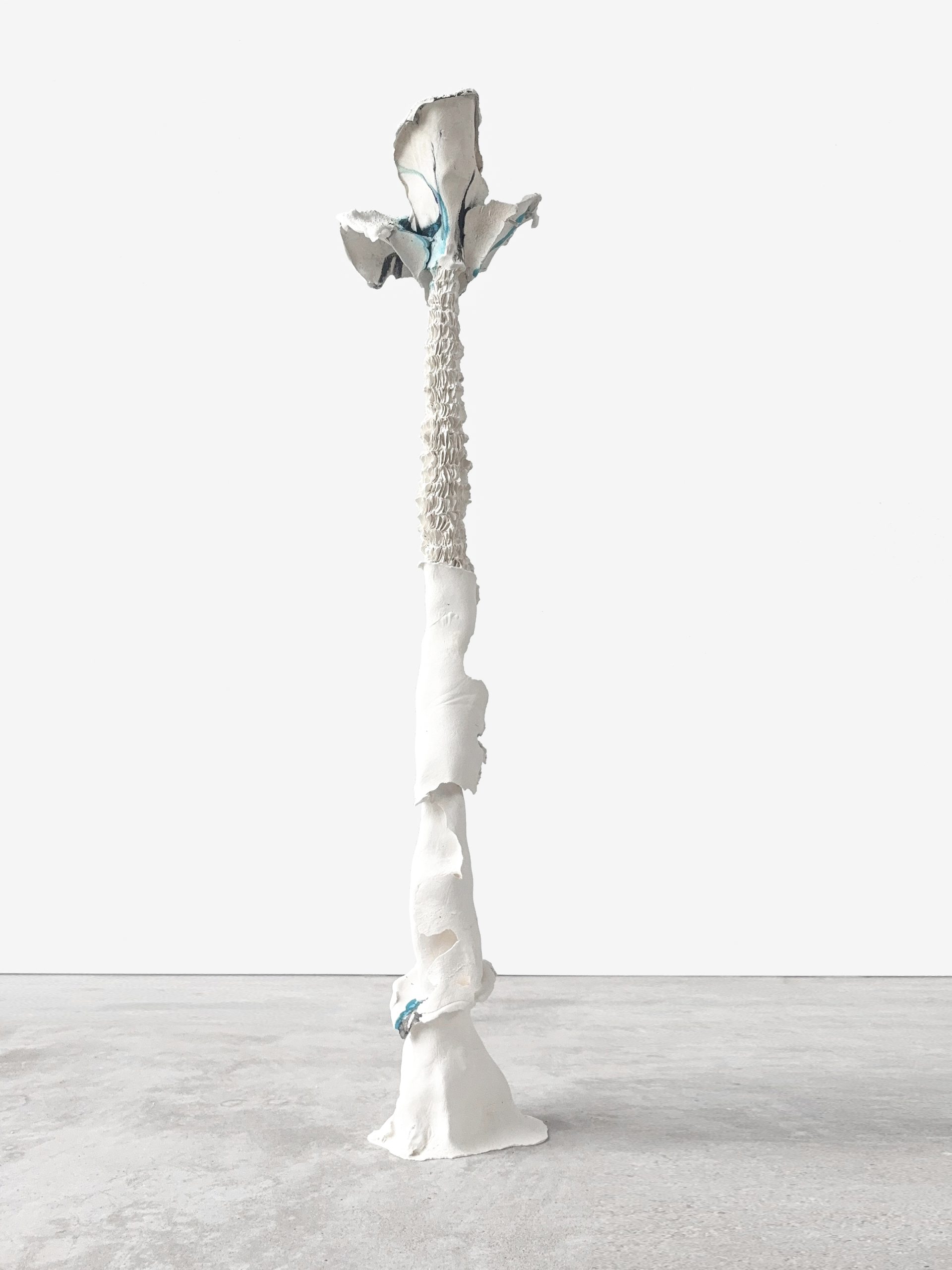
Untitled 2026
Pigmented plaster, metal structure
69,4 x 14,7 x 12,7 cm
27 ²¹/₆₄ x 5 ²⁵/₃₂ x 5 inches
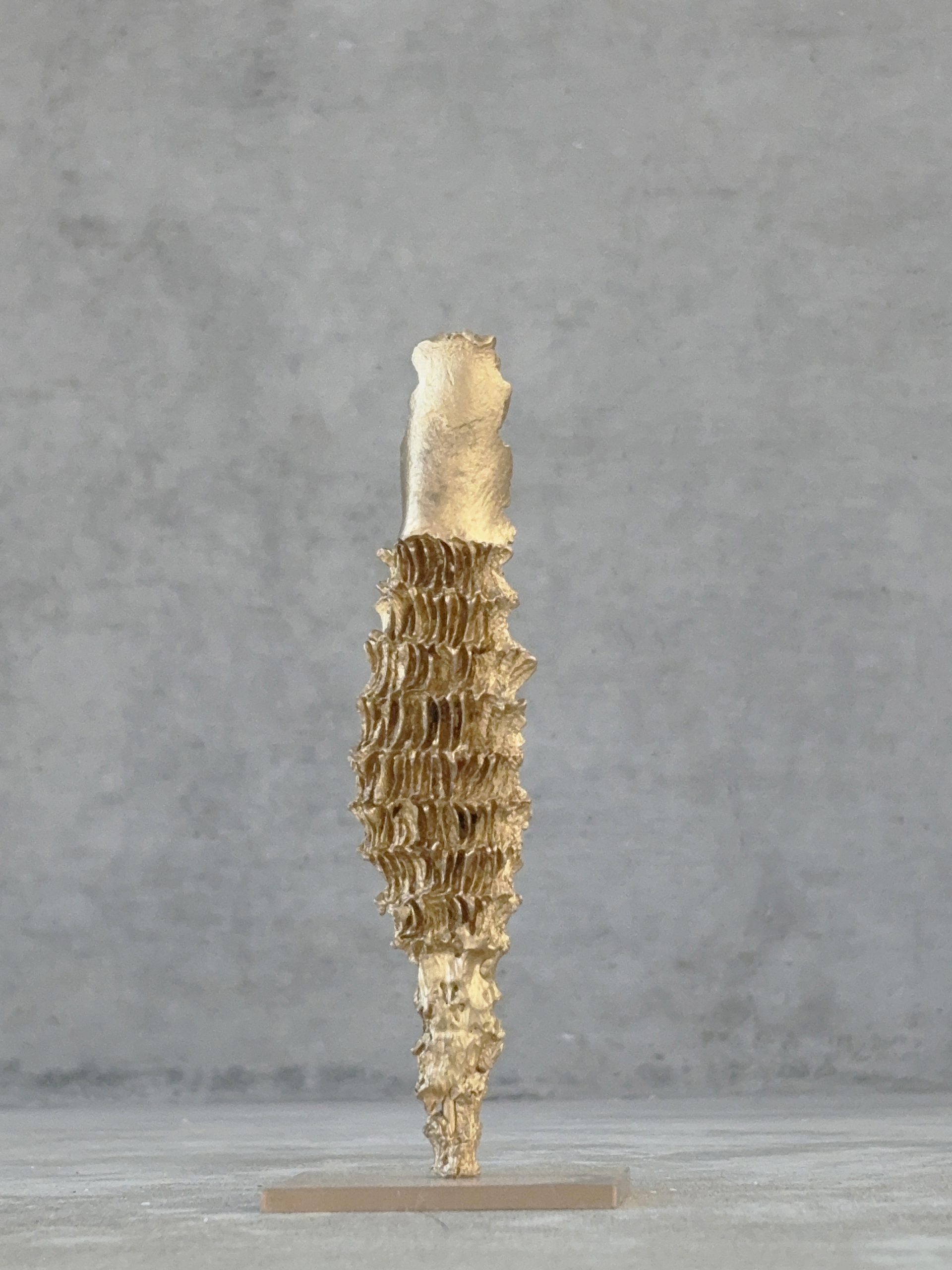
Aura 2026
Tin with gold gilding
14,9 x 5,9 x 5,9 cm
5 ⁵⁵/₆₄ x 2 ²¹/₆₄ x 2 ²¹/₆₄ inches
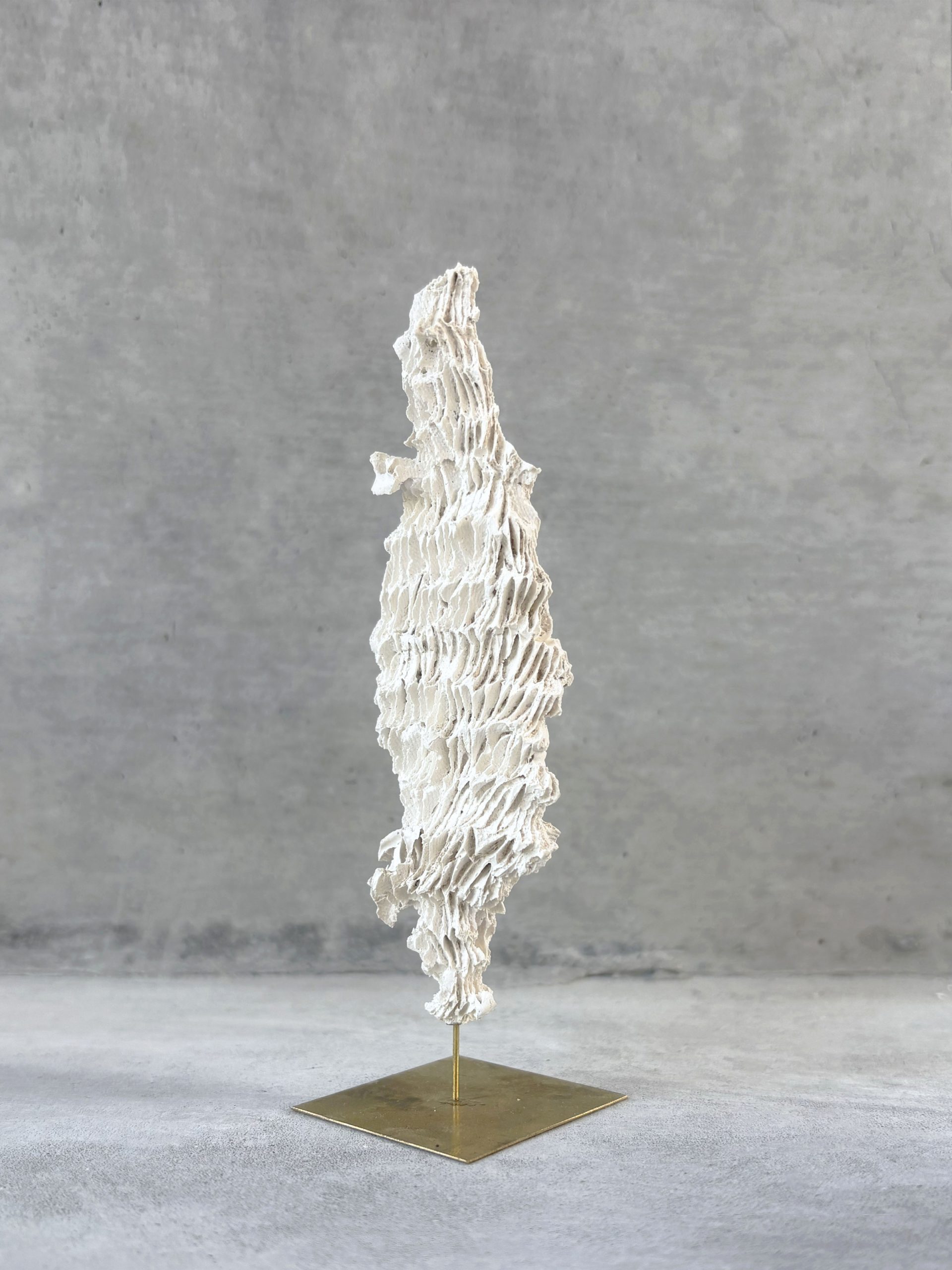
Untitled 2025
Plaster, metal structure
13,2 x 4 x 4 cm
5 ¹³/₆₄ x 1 ³⁷/₆₄ x 1 ³⁷/₆₄ inches
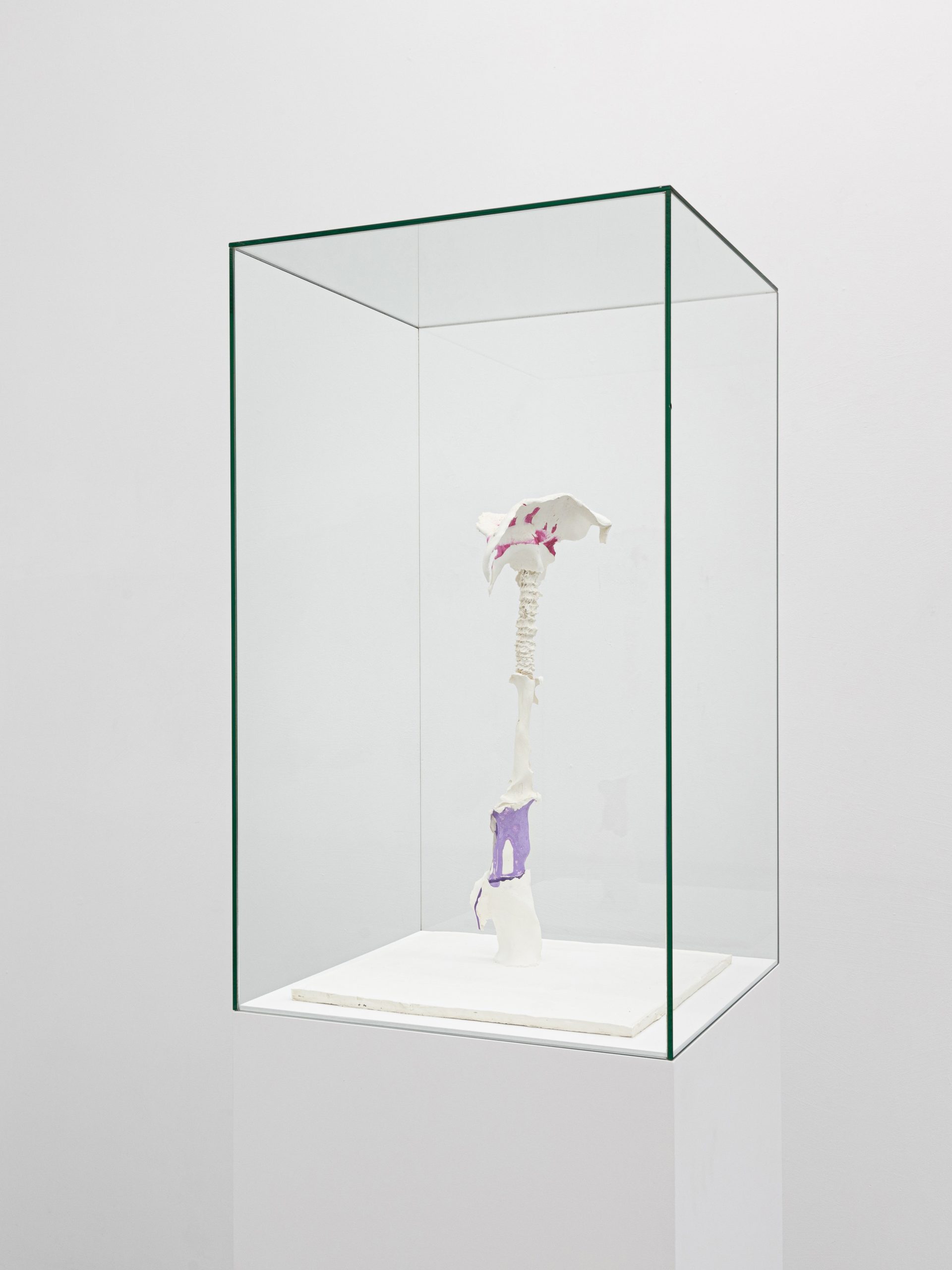
Untitled 2024
Pigmented plaster, metal structure
56.7 × 20.6 × 9.2 cm
22 ²¹/₆₄ x 8 ⁷/₆₄ x 3 ⁵/₈ inches
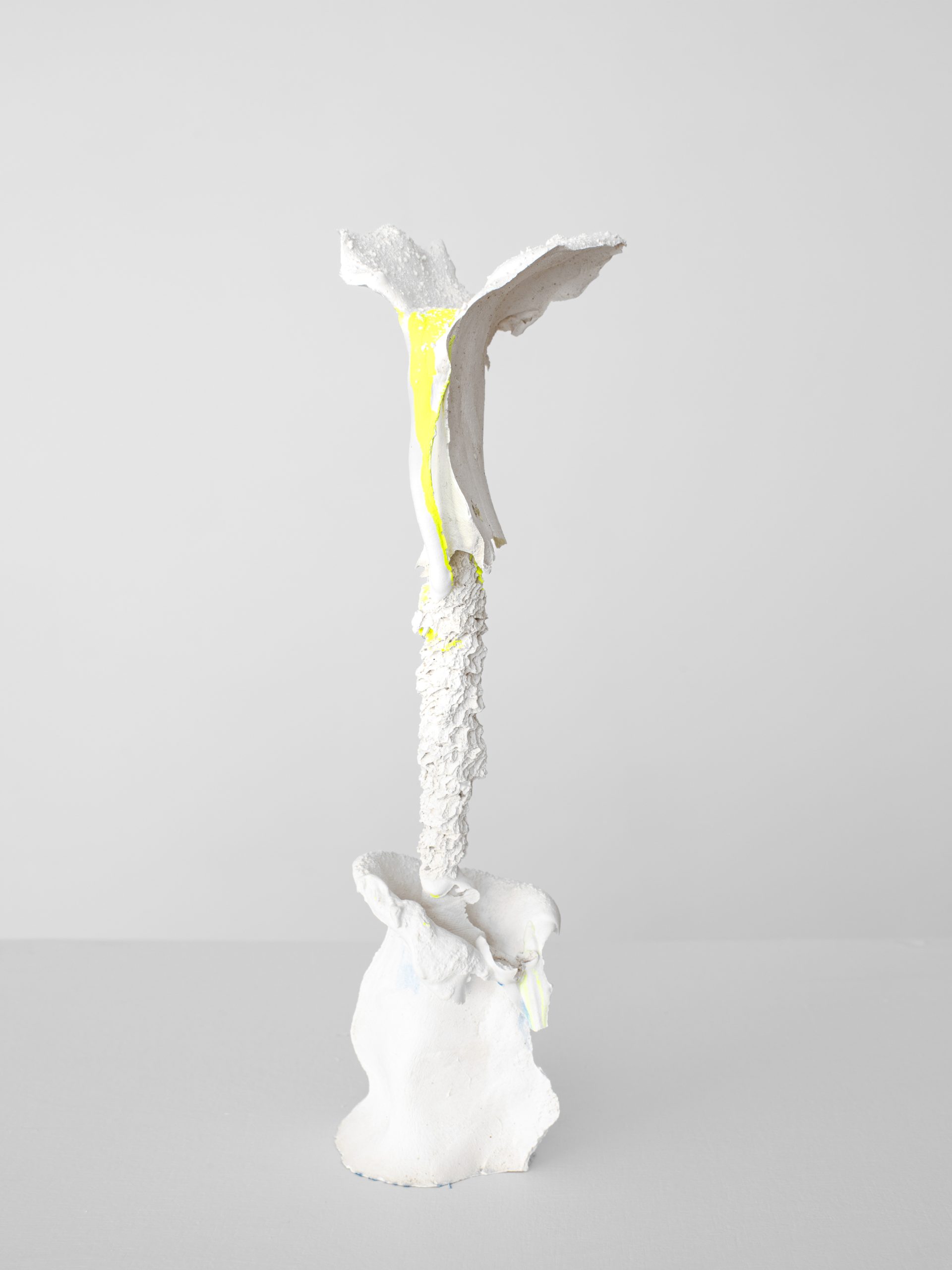
Untitled 2024
Pigmented plaster, metal structure
28,2 x 8,8 x 8,6 cm
11 ⁷/₆₄ x 3 ¹⁵/₃₂ x 3 ²⁵/₆₄ inches
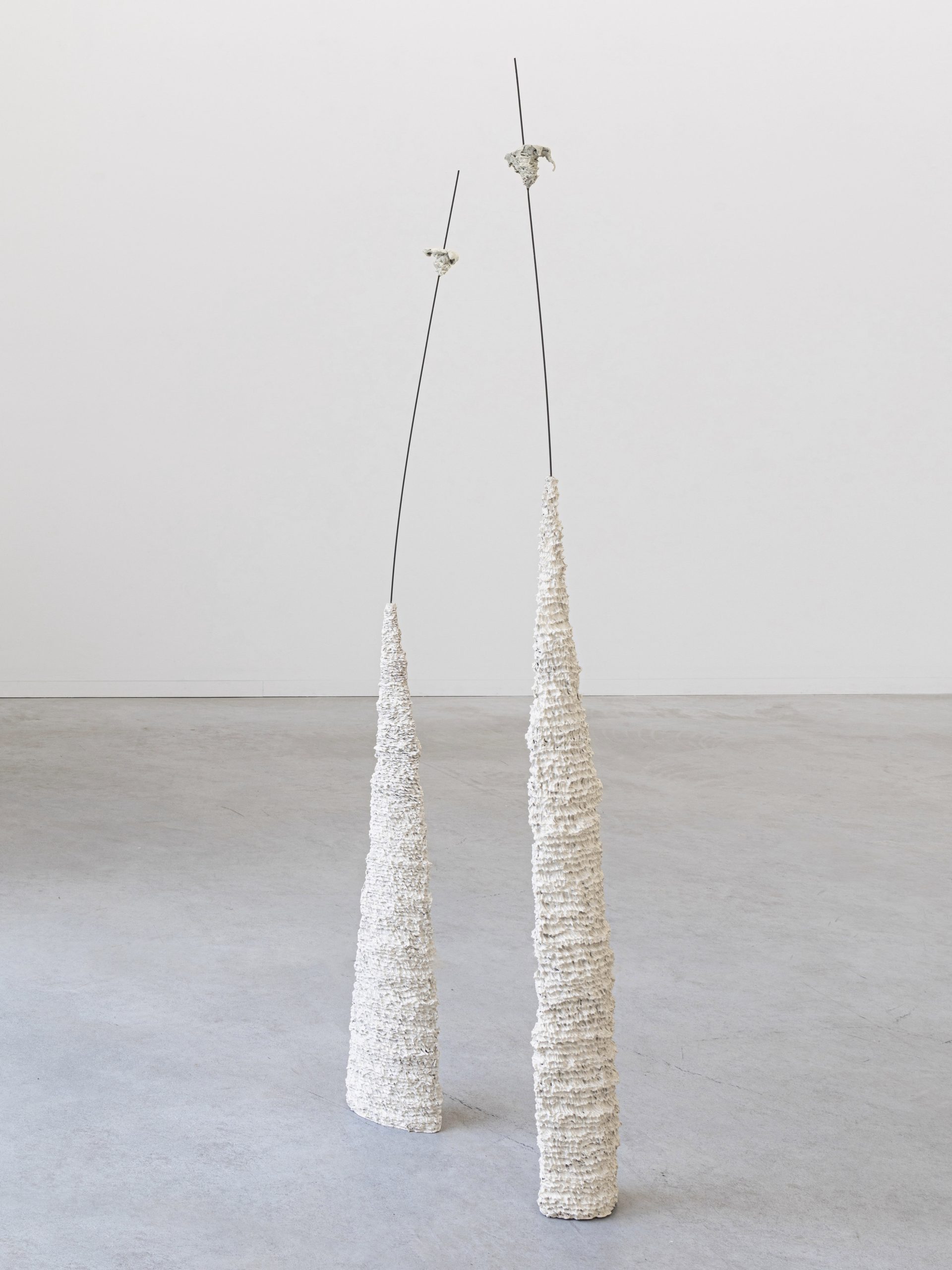
Untitled 2024
Bronze, white patina
170,7 x 47,4 x 22,8 cm
67 ¹³/₆₄ x 18 ²¹/₃₂ x 8 ³¹/₃₂ inches
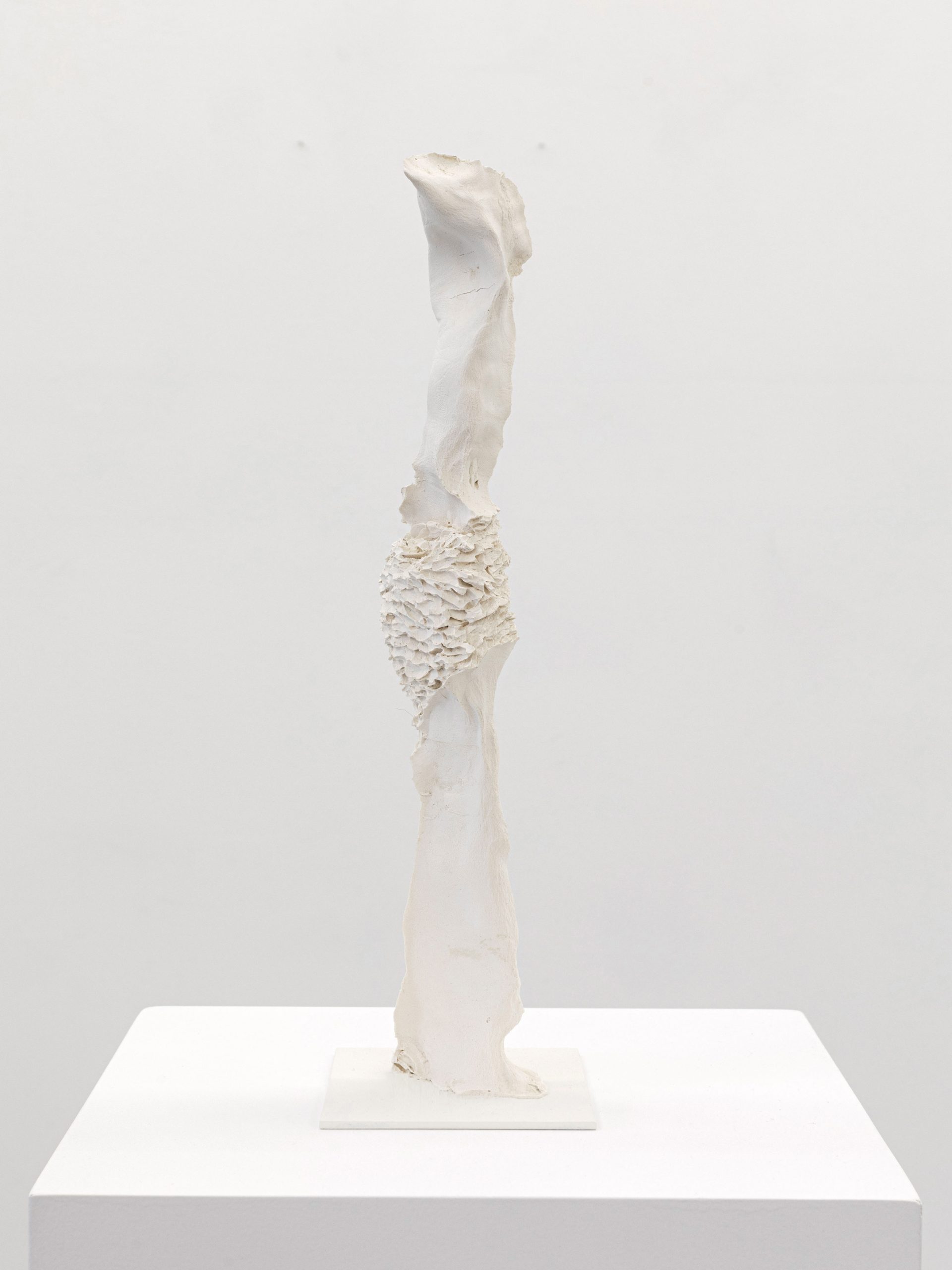
Untitled 2023
Plaster, metal structure
36 x 7 x 7,9 cm
14 ¹¹/₆₄ x 2 ³/₄ x 3 ⁷/₆₄ inches

Untitled 2022
Pigmented plaster, metal structure
145 x 62 x 62 cm
57 ³/₃₂ x 24 ¹³/₃₂ x 24 ¹³/₃₂ inches
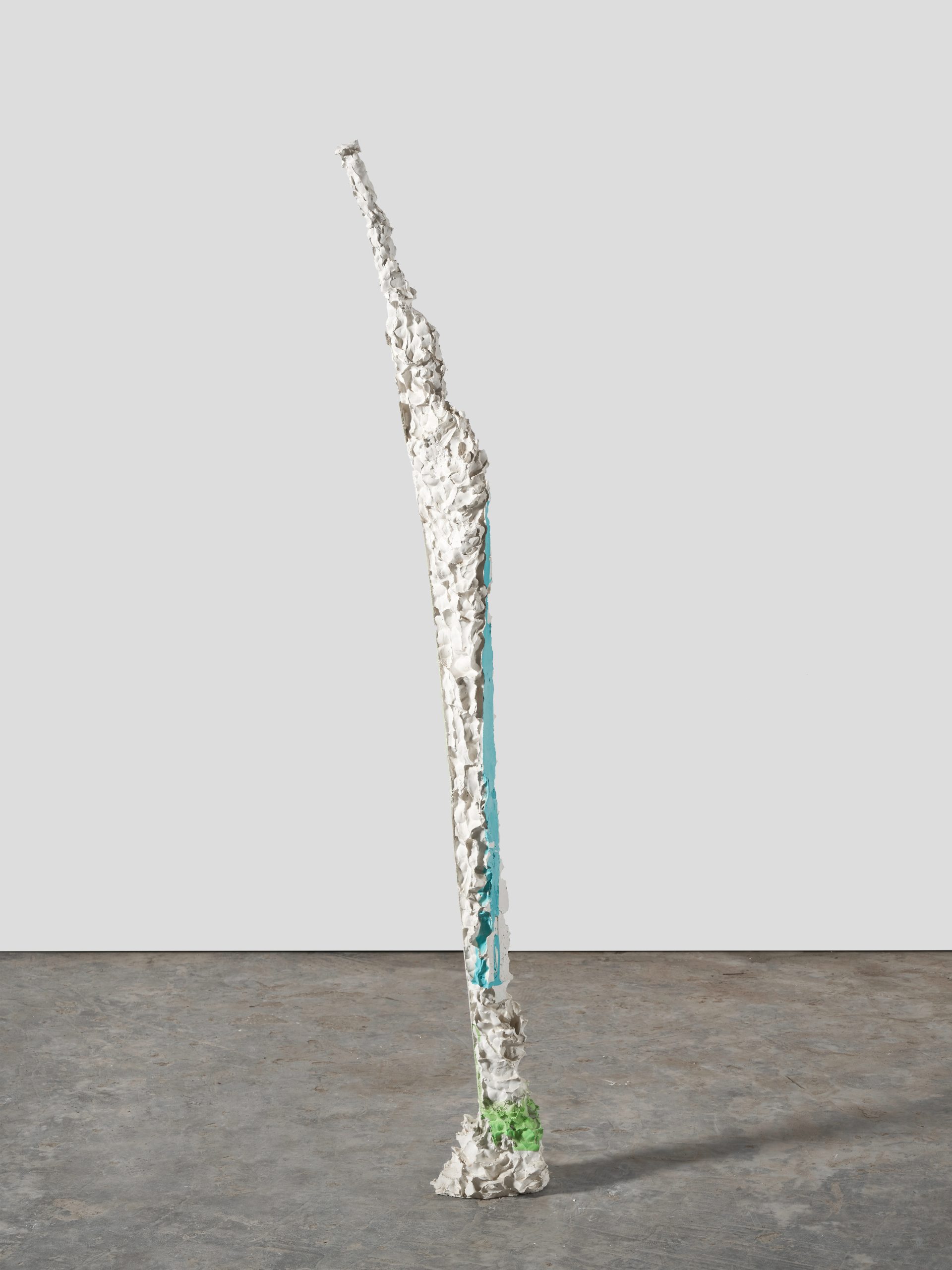
Untitled 2020
Pigmented plaster, metal structure
159 x 18 x 12 cm
62 ¹⁹/₃₂ x 7 ³/₃₂ x 4 ²³/₃₂ inches
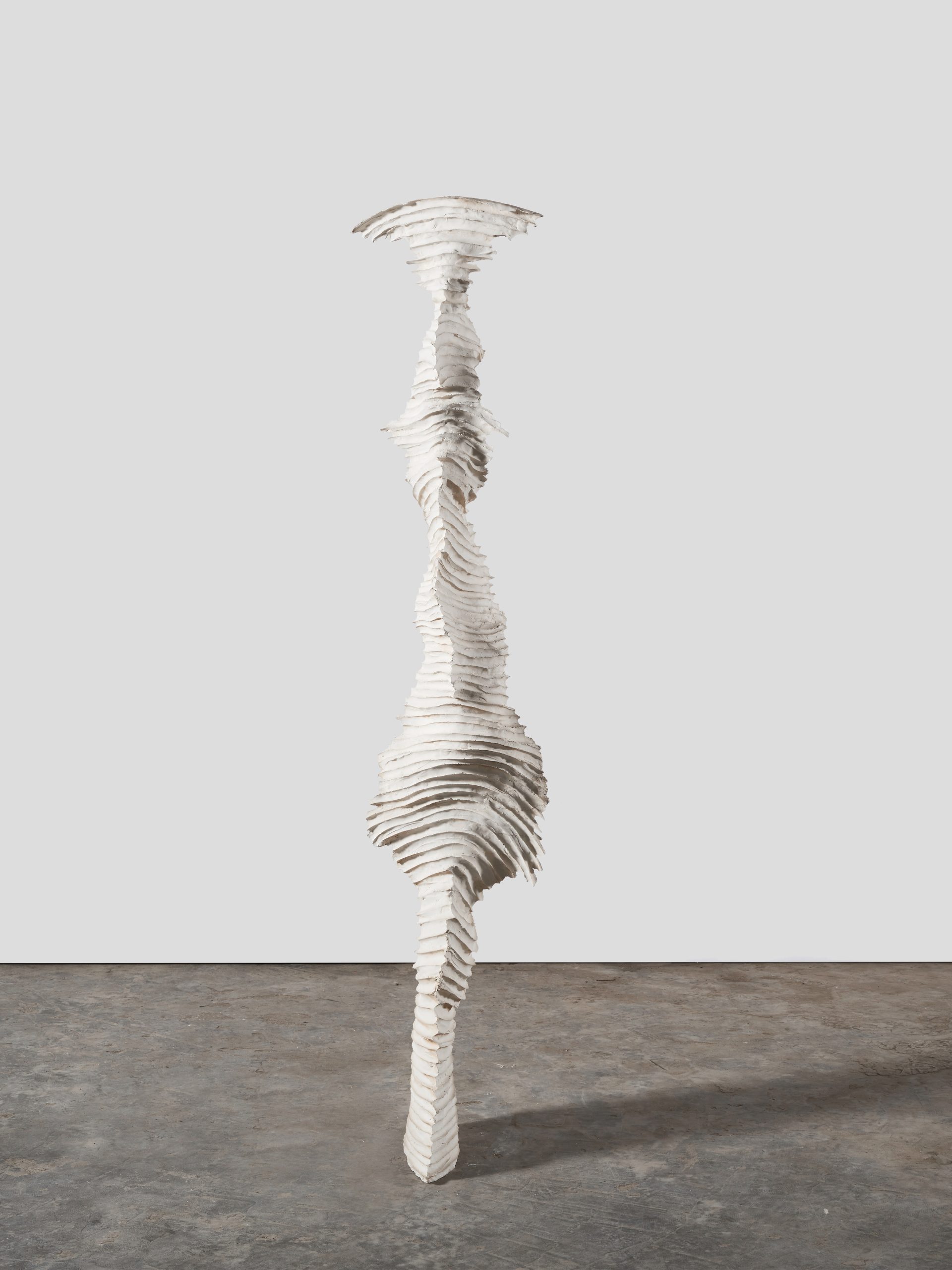
Untitled 2020
Bronze, white patina
184 x 40 x 39 cm
72 ⁷/₁₆ x 15 ³/₄ x 15 ²³/₆₄
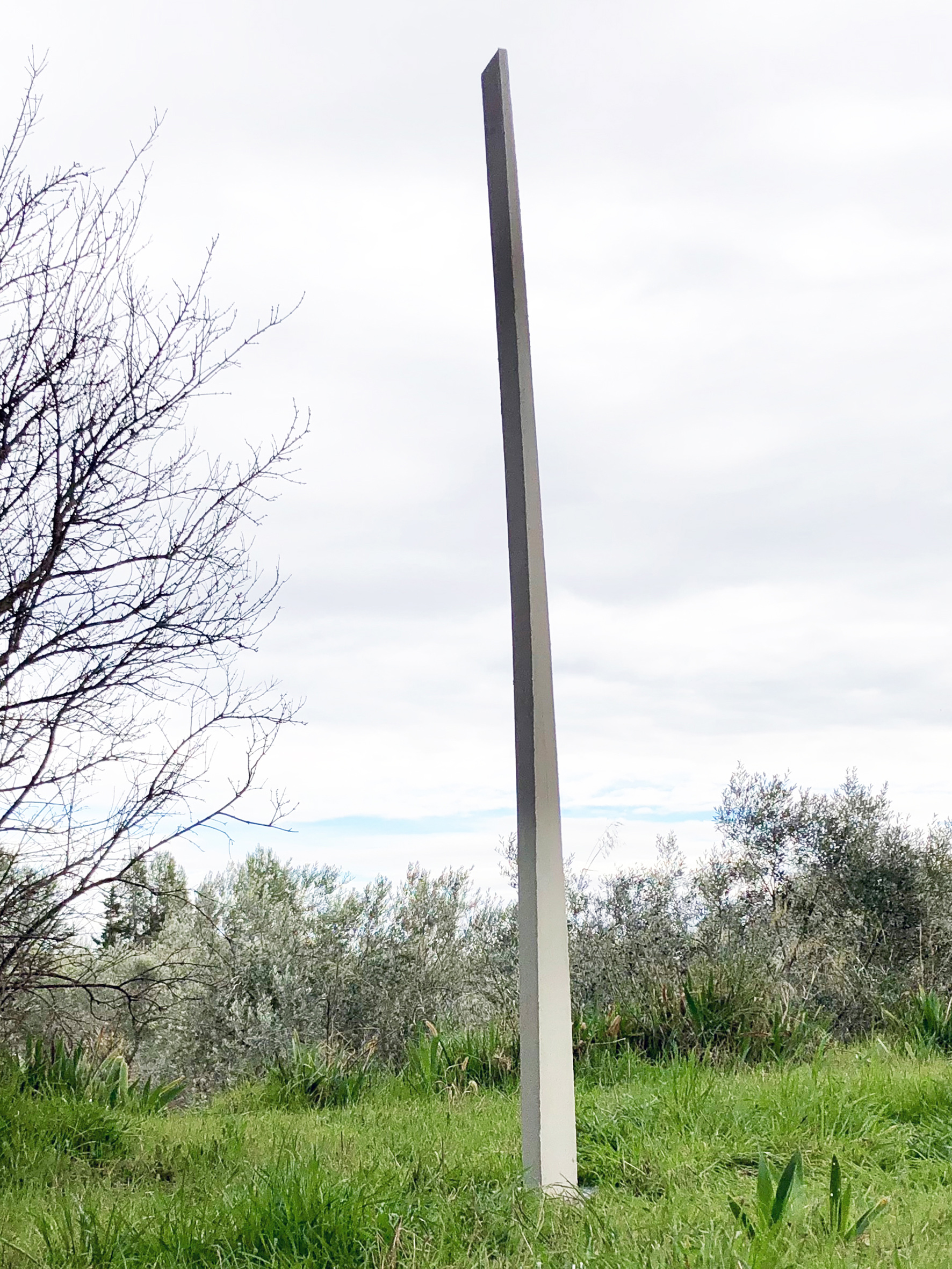
Untitled 2018
Bronze, white patina
210 x 10 x 7 cm
82 ⁴³/₆₄ x 3 ¹⁵/₁₆ x 2 ³/₄ inches
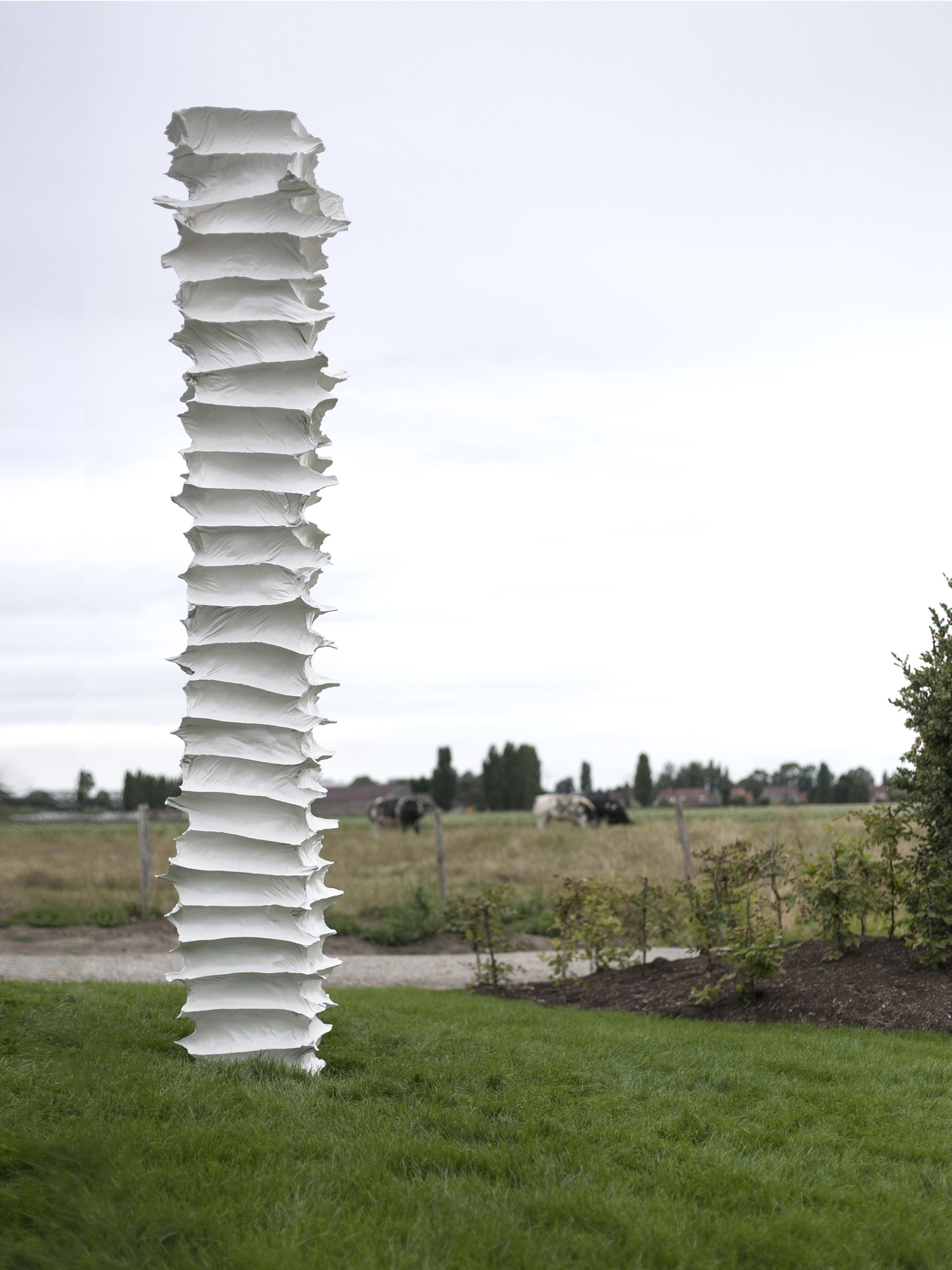
Untitled 2014
Bronze, white patina
300 x 50 x 50 cm
118 ⁷/₆₄ x 19 ¹¹/₁₆ x 19 ¹¹/₁₆ inches
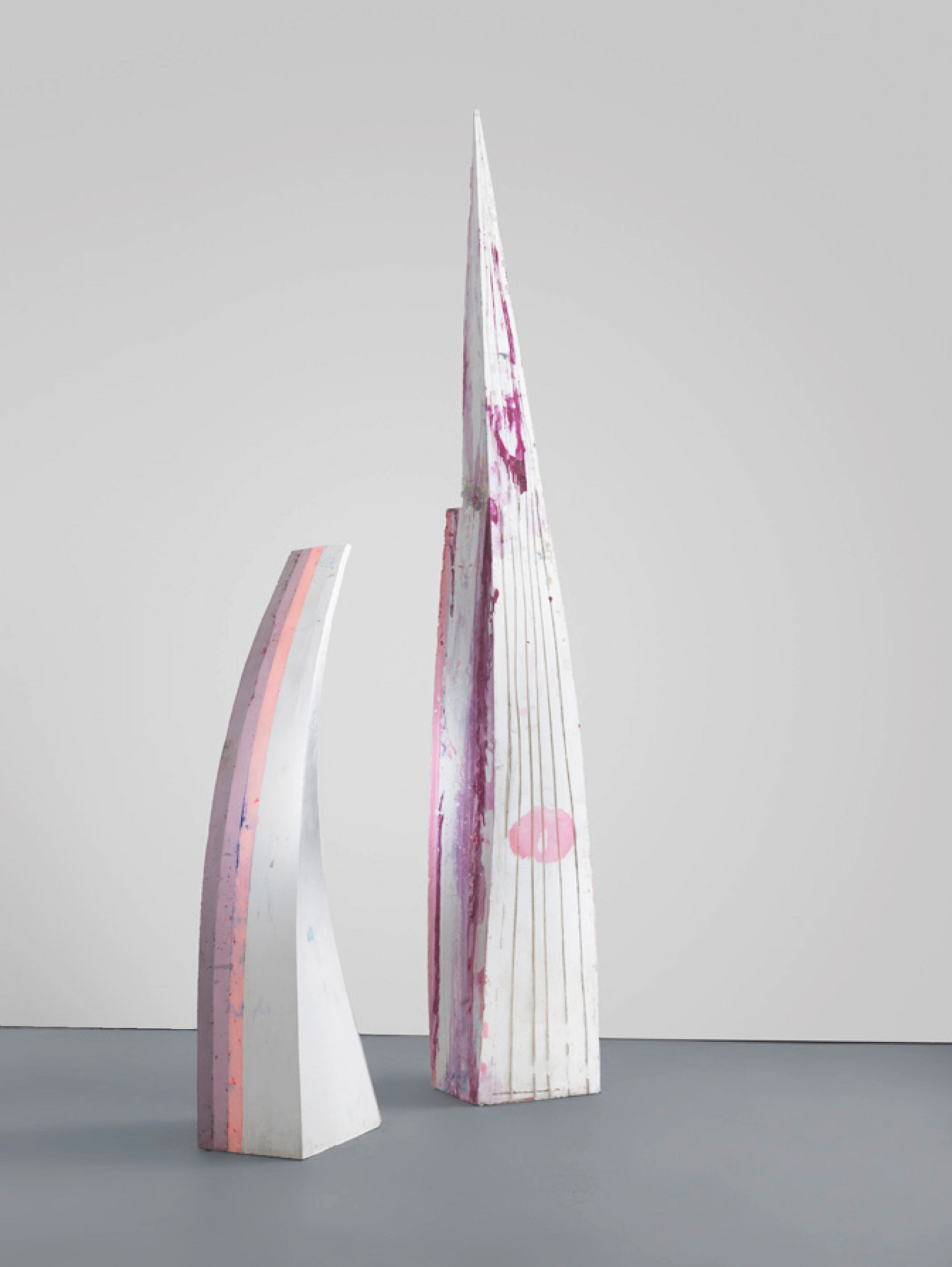
Untitled 2009
Pigmented plaster, metal structure
205 x 84 x 37 cm
80 ⁴⁵/₆₄ x 33 ⁵/₆₄ x 14 ⁹/₁₆ inches
Untitled 2026
Pigmented plaster, metal structure
69,4 x 14,7 x 12,7 cm
27 ²¹/₆₄ x 5 ²⁵/₃₂ x 5 inches
Aura 2026
Tin with gold gilding
14,9 x 5,9 x 5,9 cm
5 ⁵⁵/₆₄ x 2 ²¹/₆₄ x 2 ²¹/₆₄ inches
Untitled 2025
Plaster, metal structure
13,2 x 4 x 4 cm
5 ¹³/₆₄ x 1 ³⁷/₆₄ x 1 ³⁷/₆₄ inches
Untitled 2024
Pigmented plaster, metal structure
56.7 × 20.6 × 9.2 cm
22 ²¹/₆₄ x 8 ⁷/₆₄ x 3 ⁵/₈ inches
Untitled 2024
Pigmented plaster, metal structure
28,2 x 8,8 x 8,6 cm
11 ⁷/₆₄ x 3 ¹⁵/₃₂ x 3 ²⁵/₆₄ inches
Untitled 2024
Bronze, white patina
170,7 x 47,4 x 22,8 cm
67 ¹³/₆₄ x 18 ²¹/₃₂ x 8 ³¹/₃₂ inches
Untitled 2023
Plaster, metal structure
36 x 7 x 7,9 cm
14 ¹¹/₆₄ x 2 ³/₄ x 3 ⁷/₆₄ inches
Untitled 2022
Pigmented plaster, metal structure
145 x 62 x 62 cm
57 ³/₃₂ x 24 ¹³/₃₂ x 24 ¹³/₃₂ inches
Untitled 2020
Pigmented plaster, metal structure
159 x 18 x 12 cm
62 ¹⁹/₃₂ x 7 ³/₃₂ x 4 ²³/₃₂ inches
Untitled 2020
Bronze, white patina
184 x 40 x 39 cm
72 ⁷/₁₆ x 15 ³/₄ x 15 ²³/₆₄
Untitled 2018
Bronze, white patina
210 x 10 x 7 cm
82 ⁴³/₆₄ x 3 ¹⁵/₁₆ x 2 ³/₄ inches
Untitled 2014
Bronze, white patina
300 x 50 x 50 cm
118 ⁷/₆₄ x 19 ¹¹/₁₆ x 19 ¹¹/₁₆ inches
Untitled 2009
Pigmented plaster, metal structure
205 x 84 x 37 cm
80 ⁴⁵/₆₄ x 33 ⁵/₆₄ x 14 ⁹/₁₆ inches
Reliefs
Driven by a desire to lighten sculpture, Ank turns attention here to the work’s skin as a permeable threshold, exploring its relief — a surface that rises and recedes, echoing the Latin relevare, “to lift, to elevate.”
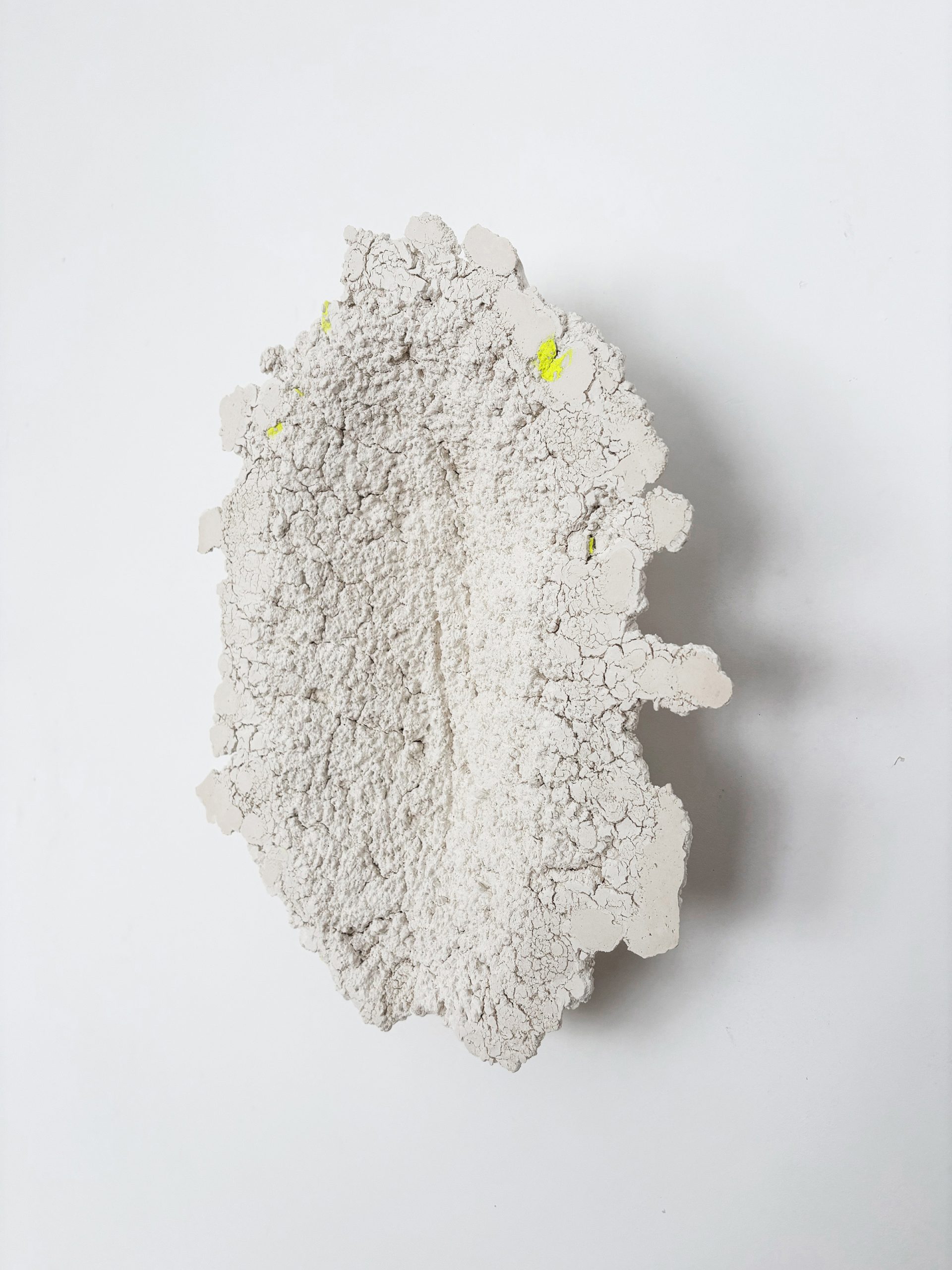
Untitled 2026
Pigmented plaster, metal structure
41,7 x 9,4 x 6,7 cm
16 ²⁷/₆₄ x 3 ⁴⁵/₆₄ x 2 ⁴¹/₆₄ inches
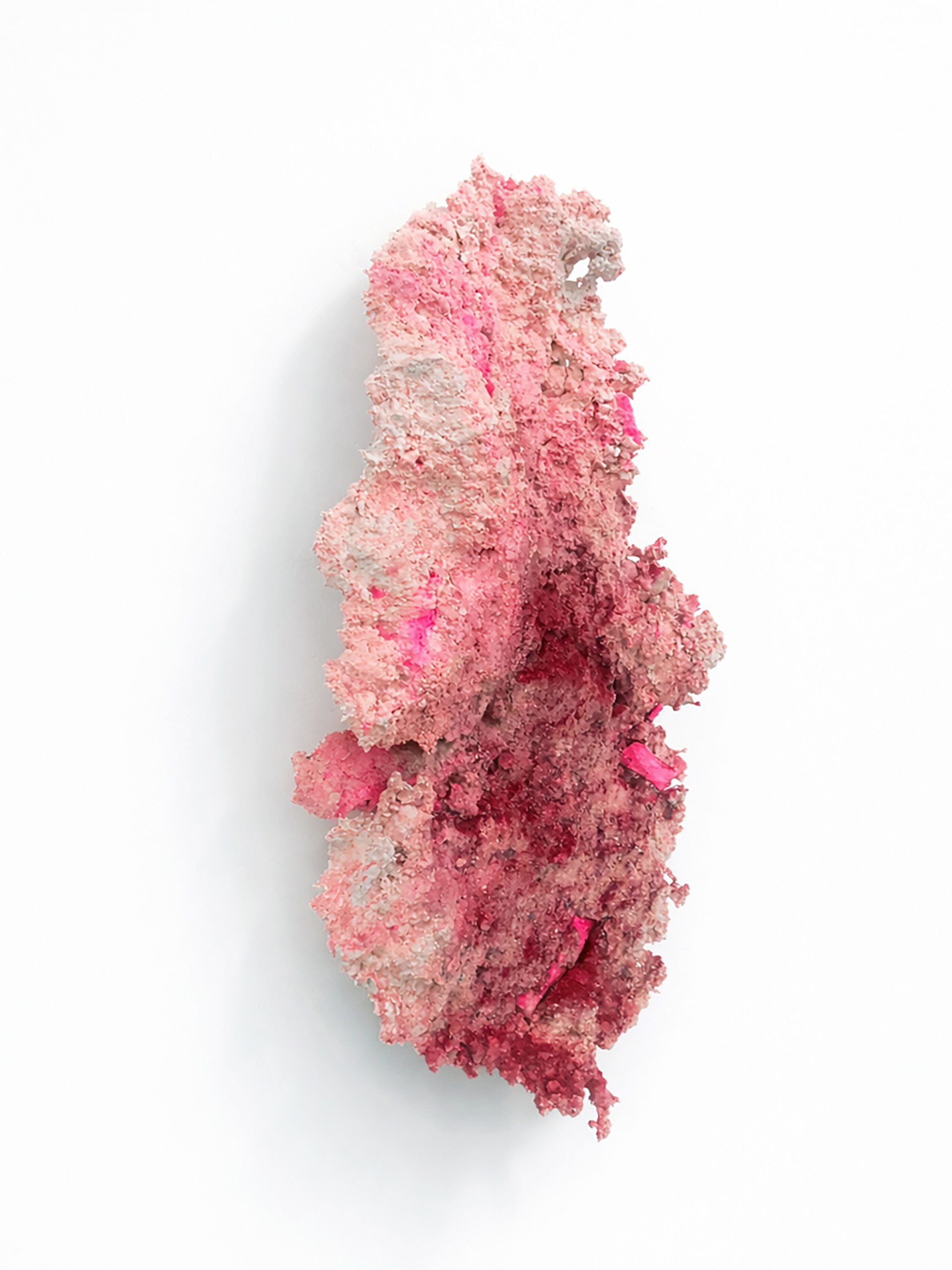
Untitled 2022
Pigmented plaster, metal structure
108 x 57 x 14 cm
42 ³³/₆₄ x 22 ⁷/₁₆ x 5 ³³/₆₄ inches
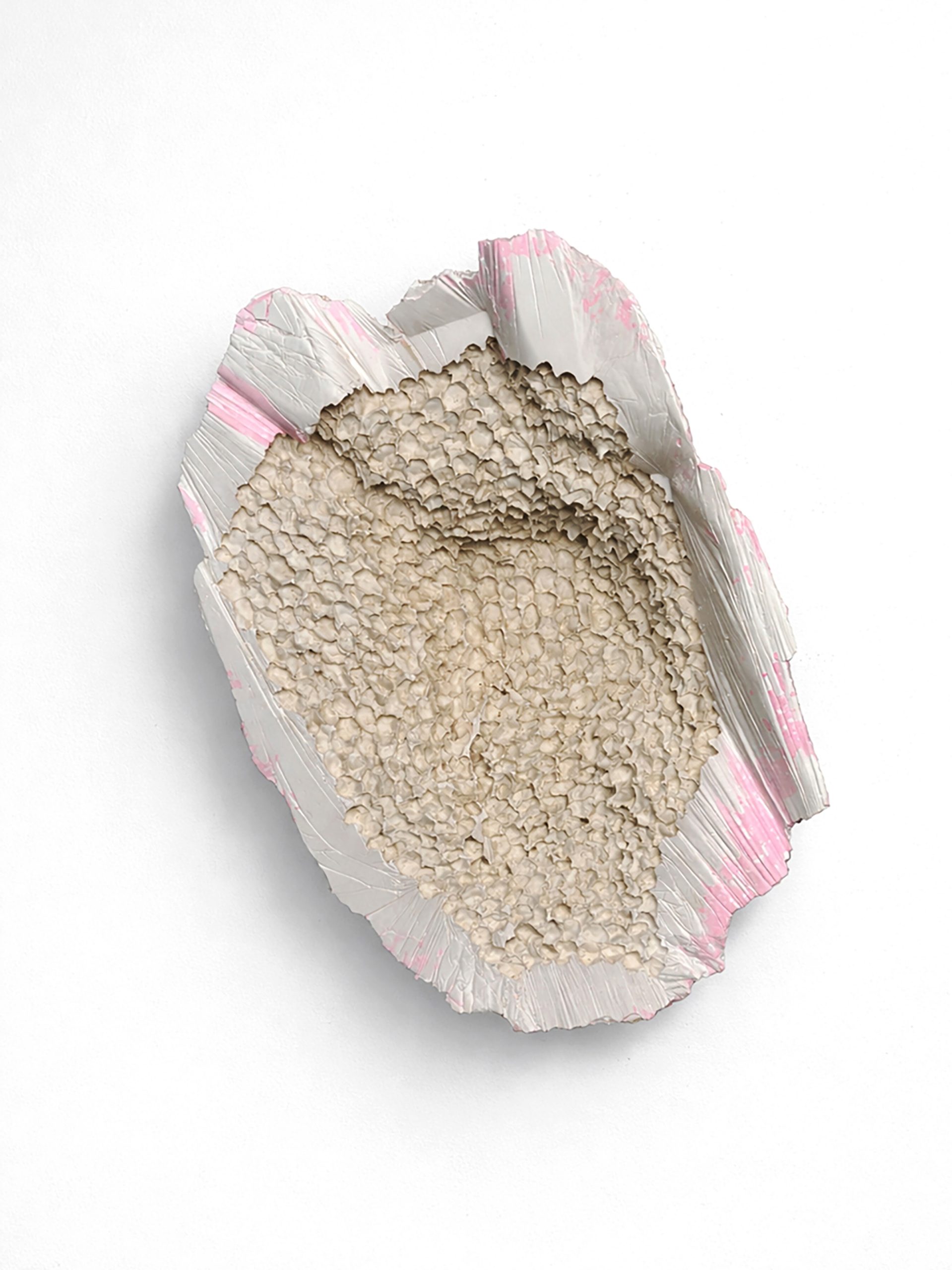
Untitled 2020
Pigmented plaster, metal structure
97 x 74 x 30 cm
38 ³/₁₆ x 29 ⁹/₆₄ x 11 ¹³/₁₆ inches
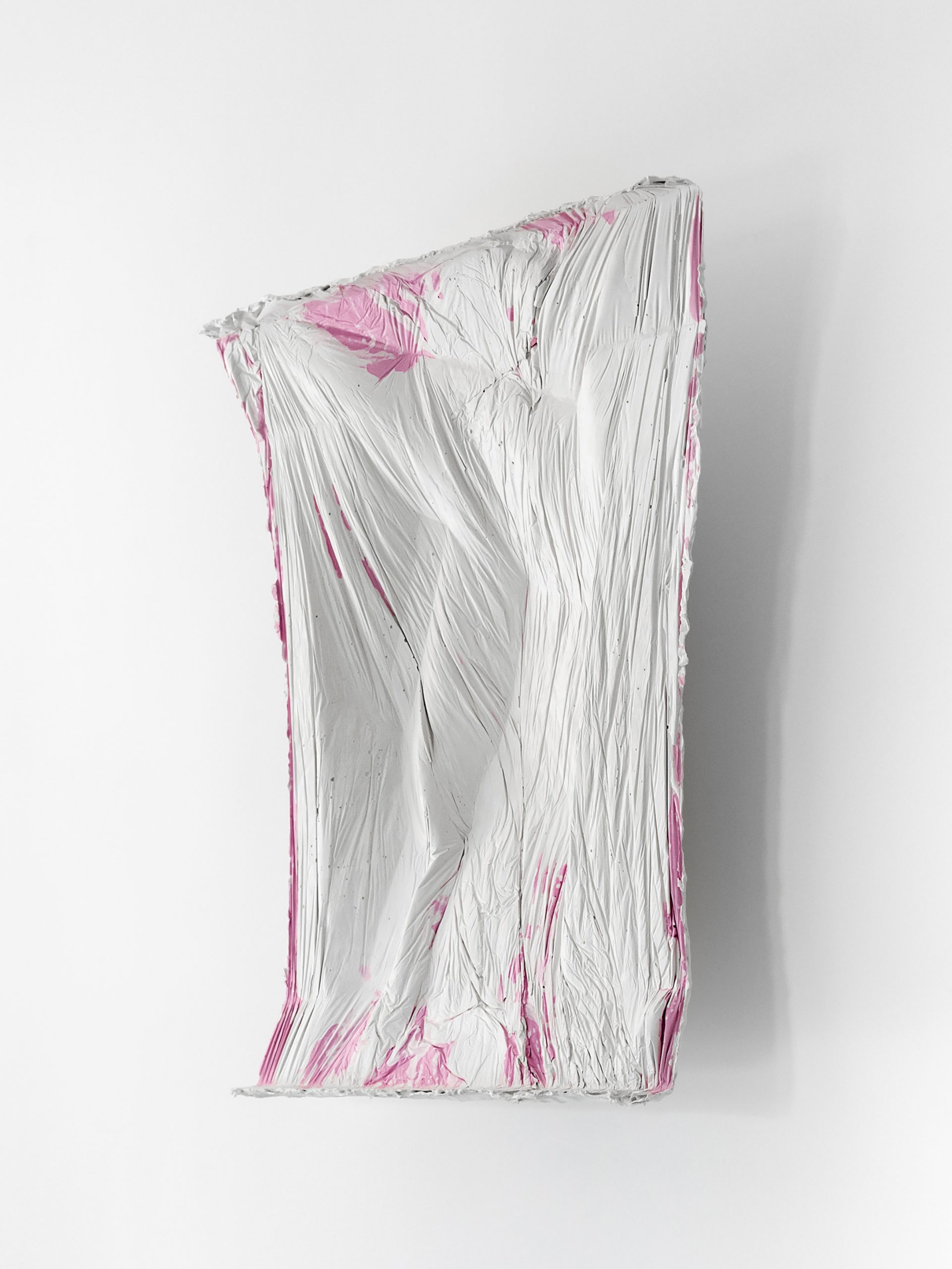
Untitled 2019
Pigmented plaster, metal structure
82 x 77 x 20 cm
32 ⁹/₃₂ x 30 ⁵/₁₆ x 7 ⁷/₈ inches
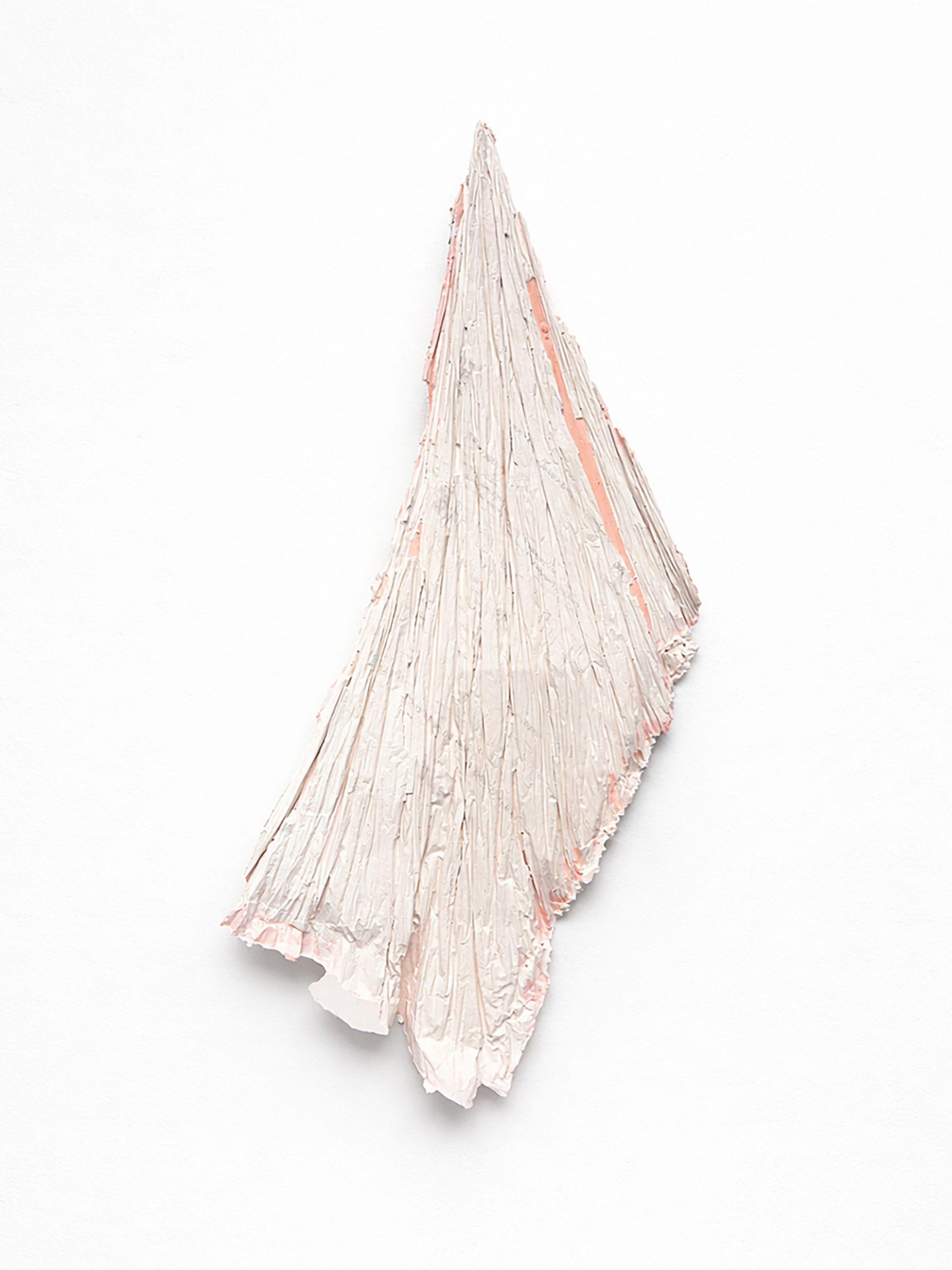
Untitled 2015
Pigmented plaster, metal structure
105 x 51 x 9 cm
41 ¹¹/₃₂ x 20 ⁵/₆₄ x 3 ³⁵/₆₄ inches
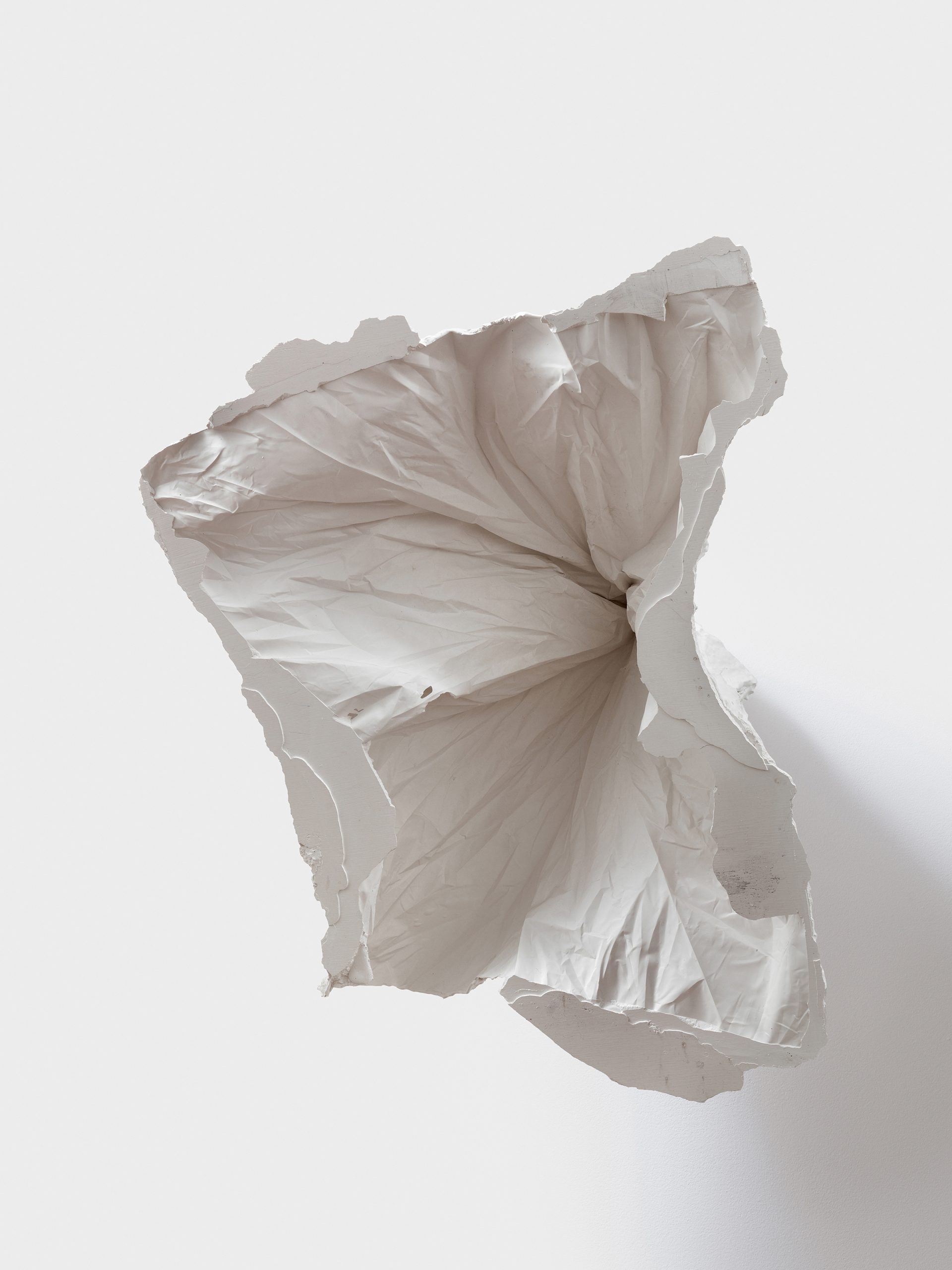
Untitled 2013
Pigmented plaster, metal structure
75 x 58 x 47 cm
29 ¹⁷/₃₂ x 22 ⁵³/₆₄ x 18 ¹/₂ inches
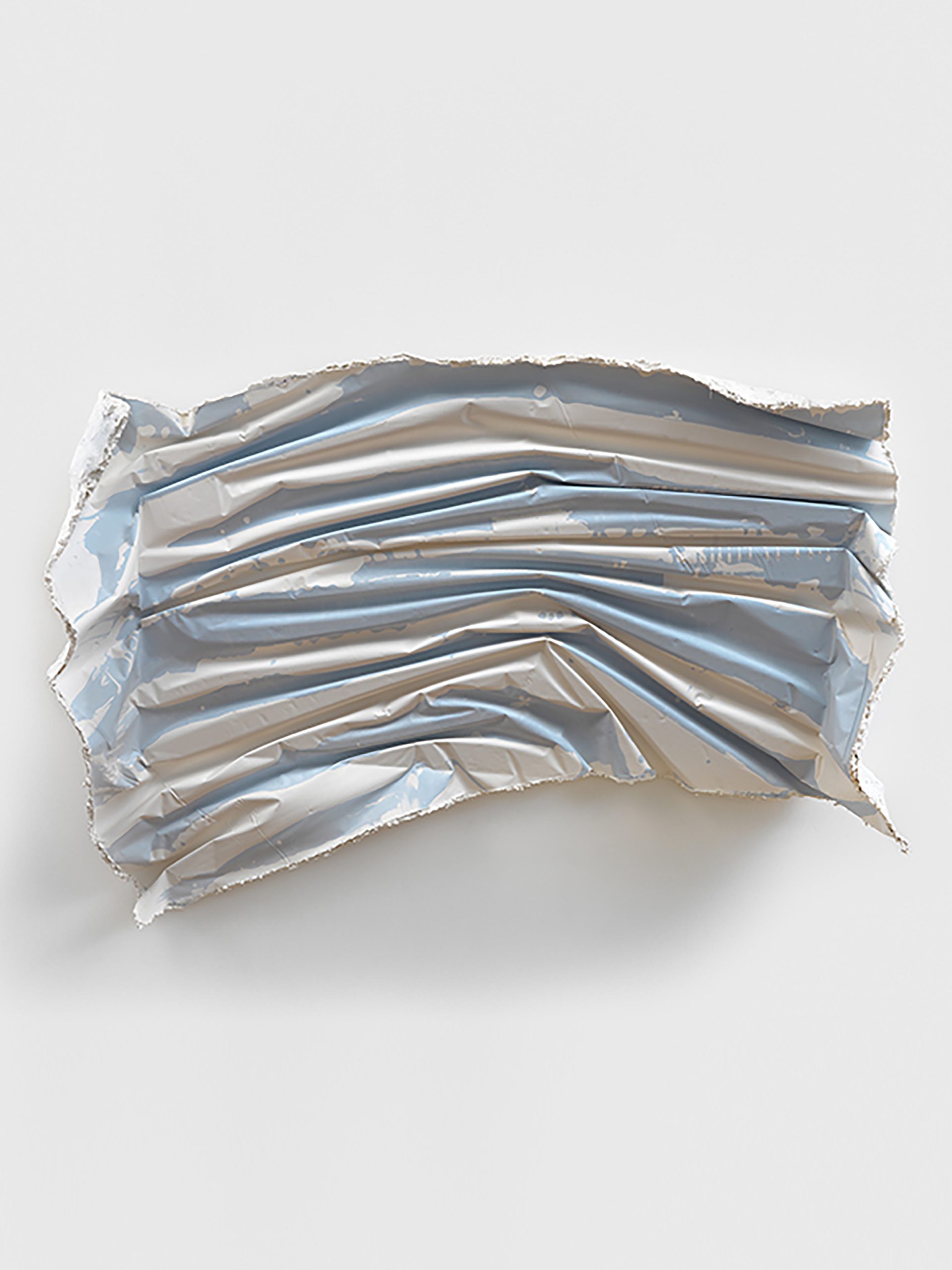
Untitled 2013
Pigmented plaster, metal structure
142 x 190 x 47 cm
55 ²⁹/₃₂ x 74 ⁵¹/₆₄ x 18 ¹/₂ cm
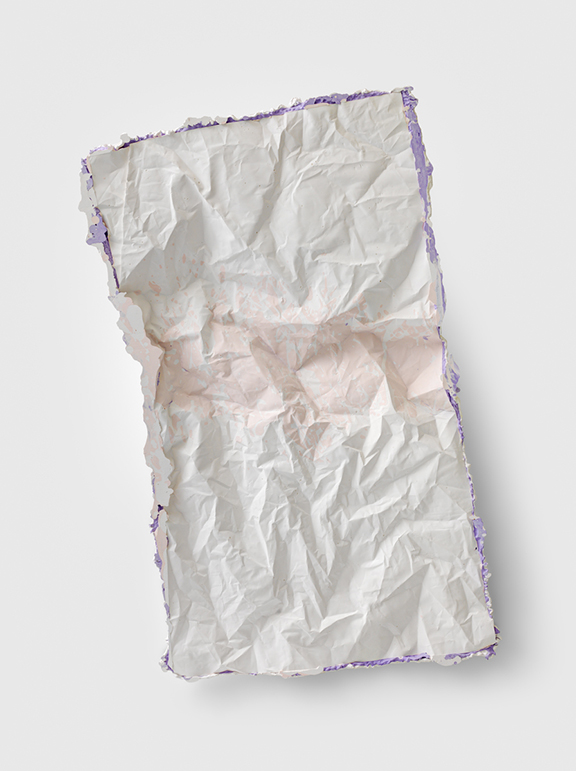
Untitled 2013
Pigmented plaster, metal structure
93 x 53 x 10 cm
36 ³⁹/₆₄ x 20 ⁵⁵/₆₄ x 3 ¹⁵/₁₆ inches
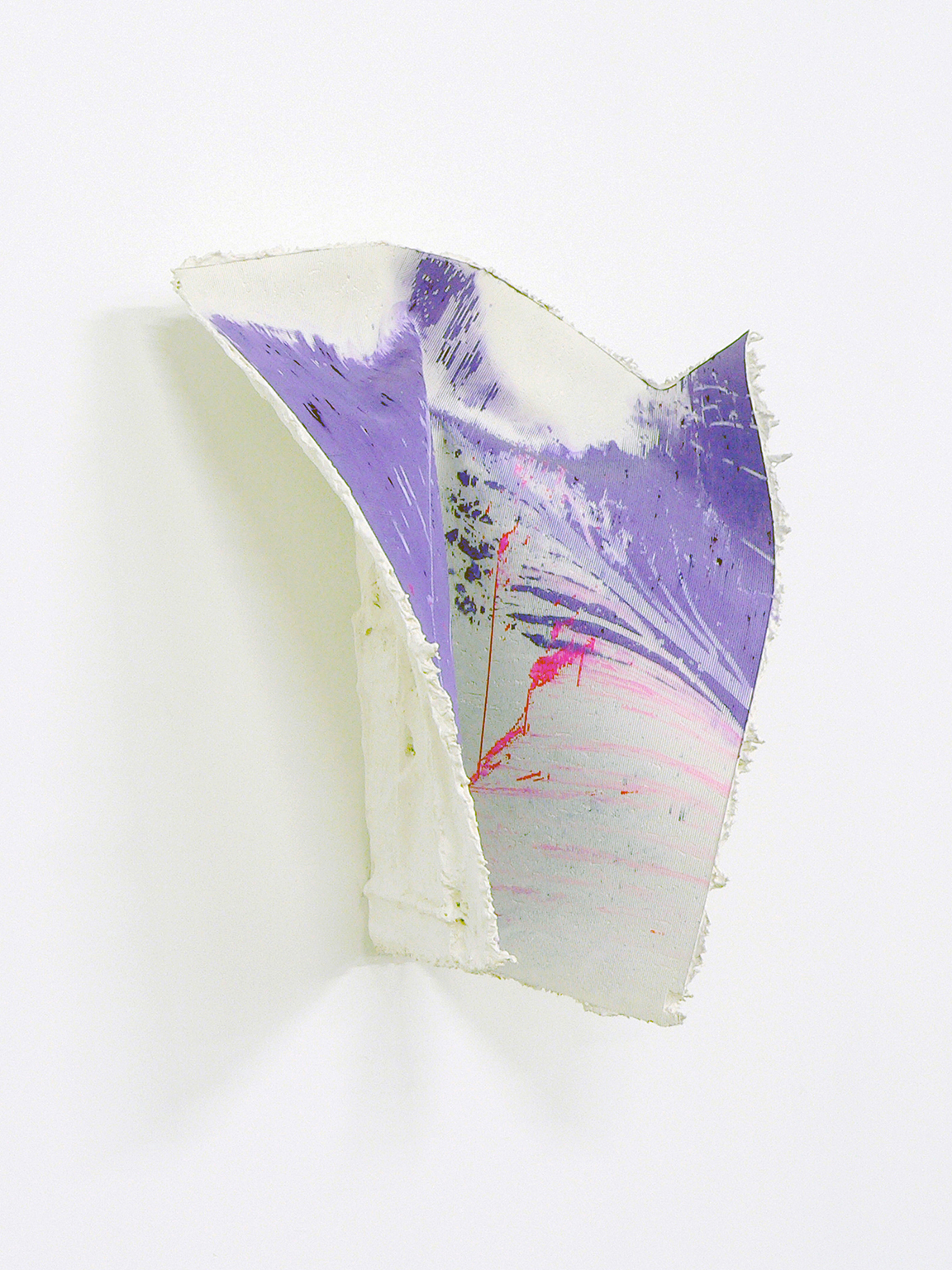
Untitled 2011
Pigmented plaster, metal structure
100 x 77 x 58 cm
39 ³/₈ x 30 ⁵/₁₆ x 22 ⁵³/₆₄ cm
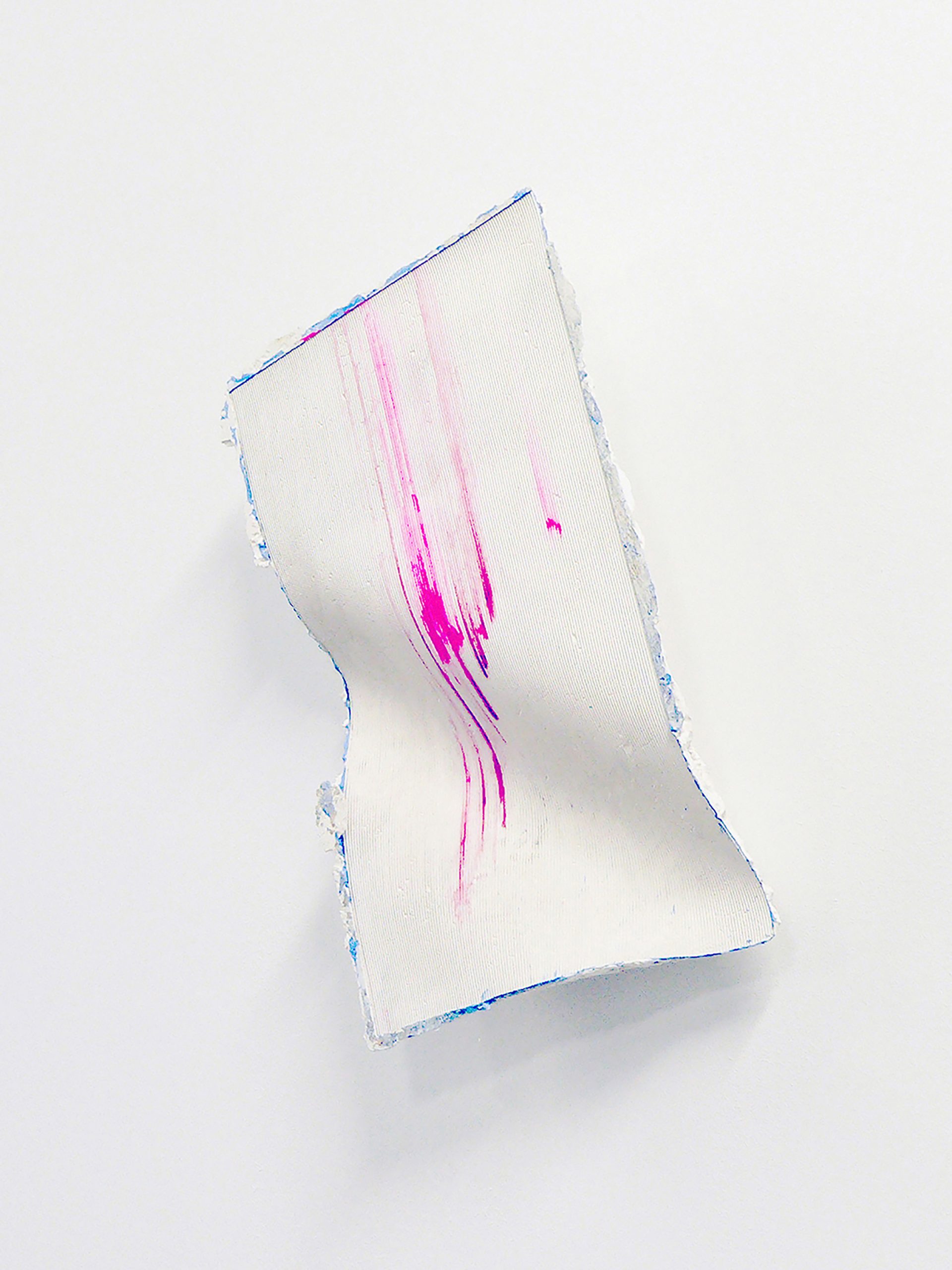
Untitled 2011
Pigmented plaster, metal structure
72 x 50 x 11 cm
28 ¹¹/₃₂ x 19 ¹¹/₁₆ x 4 ²¹/₆₄ inches
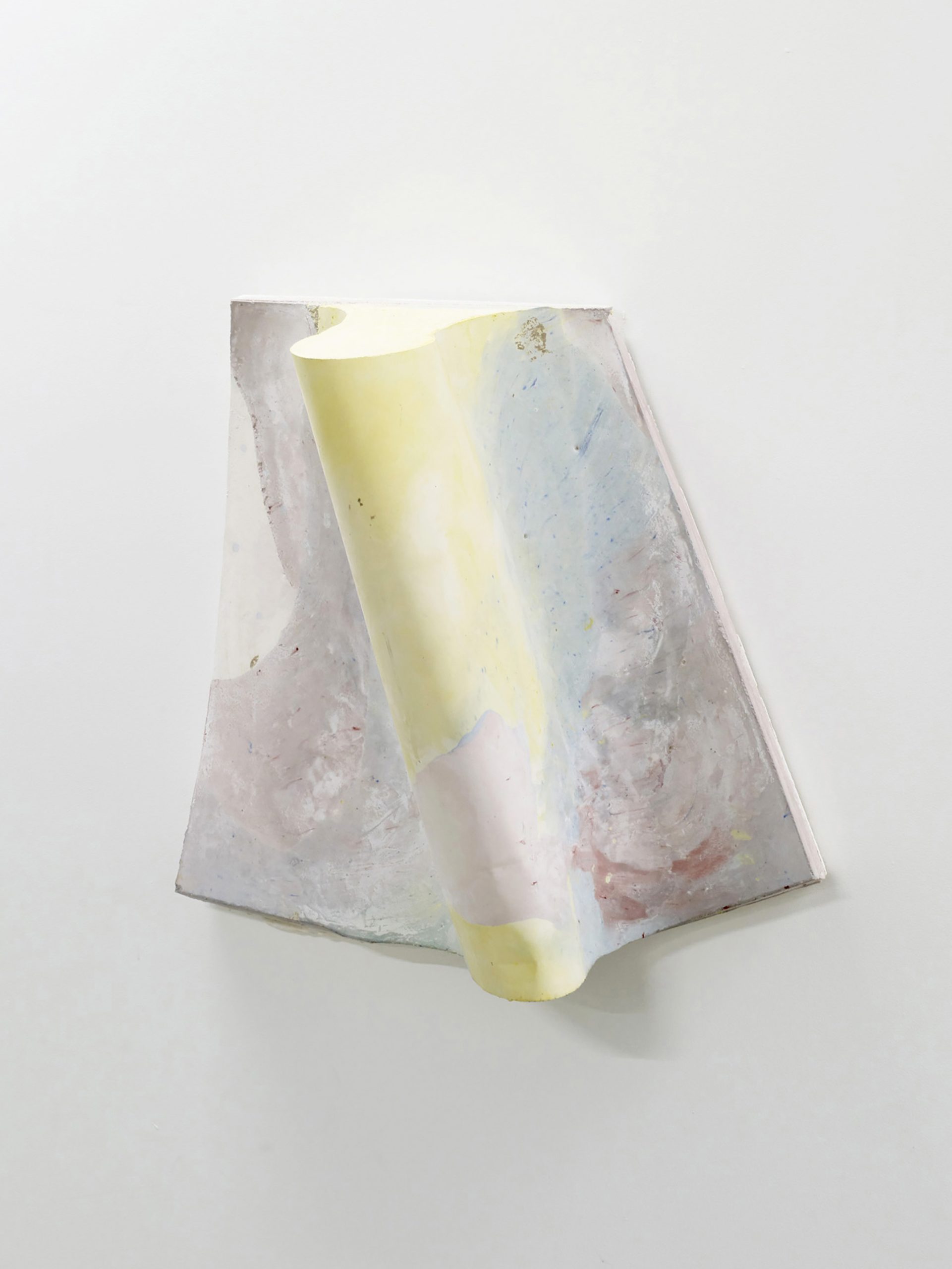
Untitled 2011
Pigmented plaster, metal structure
77 x 74 x 41 cm
30 ⁵/₁₆ x 29 ⁹/₆₄ x 16 ⁹/₆₄ inches
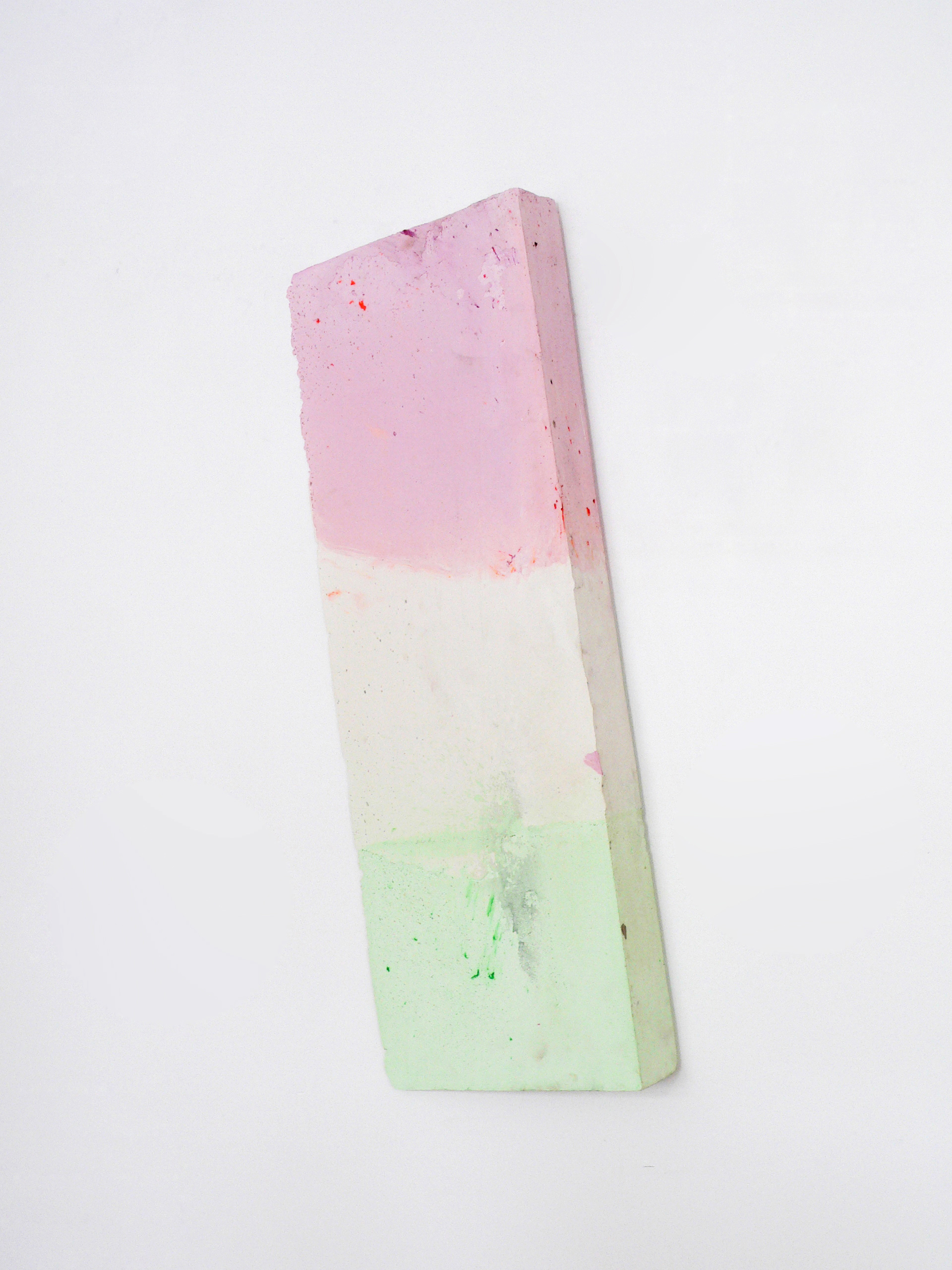
Untitled 2009
Pigmented plaster, metal structure
121 x 43 x 15 cm
47 ⁴¹/₆₄ x 16 ⁵⁹/₆₄ x 5 ²⁹/₃₂ inches
Untitled 2026
Pigmented plaster, metal structure
41,7 x 9,4 x 6,7 cm
16 ²⁷/₆₄ x 3 ⁴⁵/₆₄ x 2 ⁴¹/₆₄ inches
Untitled 2022
Pigmented plaster, metal structure
108 x 57 x 14 cm
42 ³³/₆₄ x 22 ⁷/₁₆ x 5 ³³/₆₄ inches
Untitled 2020
Pigmented plaster, metal structure
97 x 74 x 30 cm
38 ³/₁₆ x 29 ⁹/₆₄ x 11 ¹³/₁₆ inches
Untitled 2019
Pigmented plaster, metal structure
82 x 77 x 20 cm
32 ⁹/₃₂ x 30 ⁵/₁₆ x 7 ⁷/₈ inches
Untitled 2015
Pigmented plaster, metal structure
105 x 51 x 9 cm
41 ¹¹/₃₂ x 20 ⁵/₆₄ x 3 ³⁵/₆₄ inches
Untitled 2013
Pigmented plaster, metal structure
75 x 58 x 47 cm
29 ¹⁷/₃₂ x 22 ⁵³/₆₄ x 18 ¹/₂ inches
Untitled 2013
Pigmented plaster, metal structure
142 x 190 x 47 cm
55 ²⁹/₃₂ x 74 ⁵¹/₆₄ x 18 ¹/₂ cm
Untitled 2013
Pigmented plaster, metal structure
93 x 53 x 10 cm
36 ³⁹/₆₄ x 20 ⁵⁵/₆₄ x 3 ¹⁵/₁₆ inches
Untitled 2011
Pigmented plaster, metal structure
100 x 77 x 58 cm
39 ³/₈ x 30 ⁵/₁₆ x 22 ⁵³/₆₄ cm
Untitled 2011
Pigmented plaster, metal structure
72 x 50 x 11 cm
28 ¹¹/₃₂ x 19 ¹¹/₁₆ x 4 ²¹/₆₄ inches
Untitled 2011
Pigmented plaster, metal structure
77 x 74 x 41 cm
30 ⁵/₁₆ x 29 ⁹/₆₄ x 16 ⁹/₆₄ inches
Untitled 2009
Pigmented plaster, metal structure
121 x 43 x 15 cm
47 ⁴¹/₆₄ x 16 ⁵⁹/₆₄ x 5 ²⁹/₃₂ inches
Frescoes
With the sculptures exploring a body in space and the reliefs its lingering trace, the frescoes explore the inner space opened by that presence — a state of embodied experience where matter, time and perception converge.
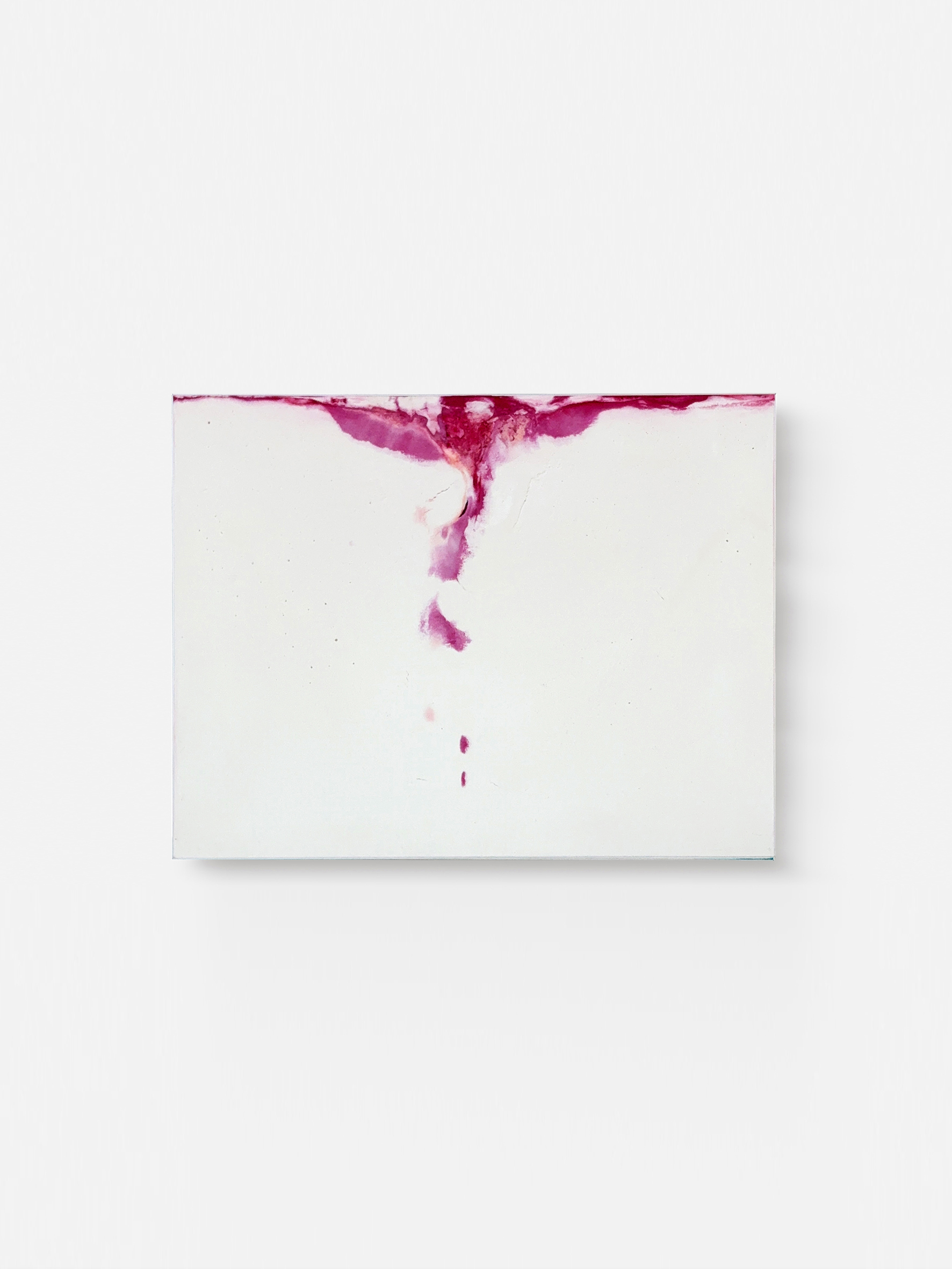
Untitled 2026
Pigmented plaster in aluminium frame
30 x 40 x 1,5 cm
11 ¹³/₁₆ x 15 ³/₄ x 0 ¹⁹/₃₂ inches
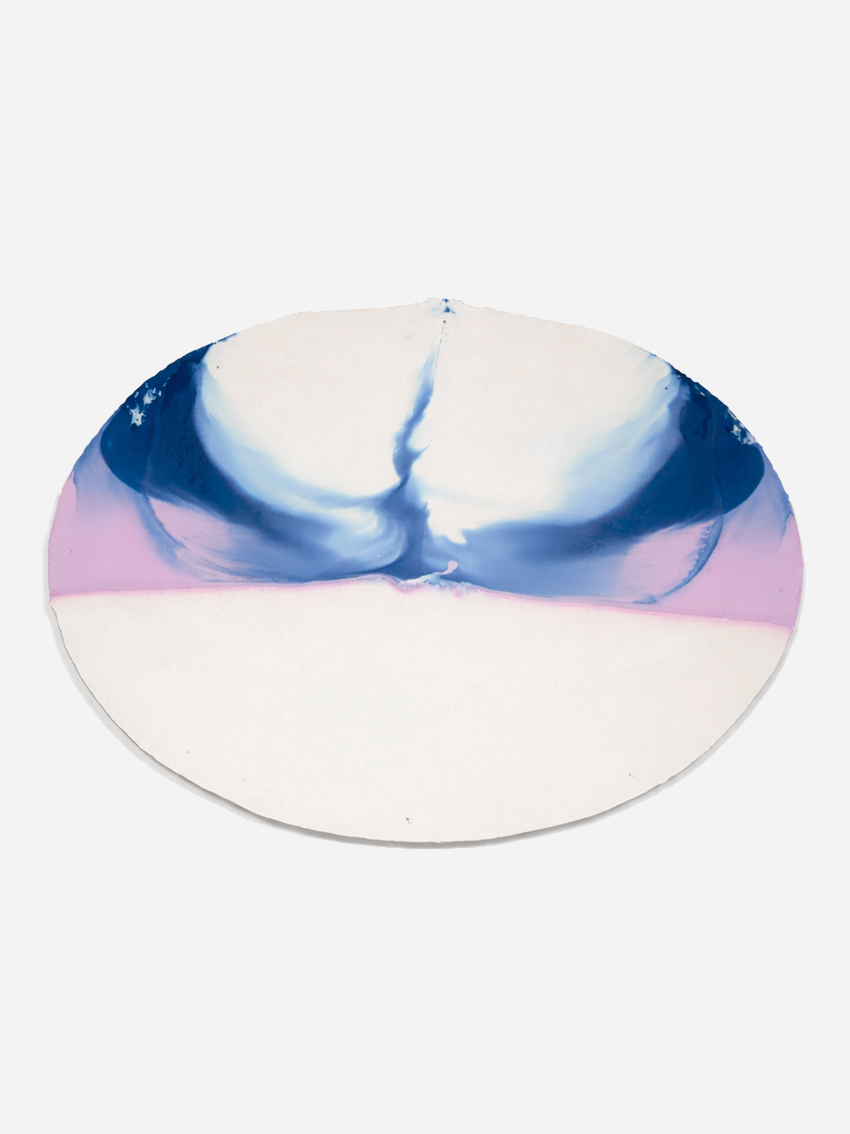
Untitled 2020
Pigmented plaster, metal structure
70 x 100 x 4 cm
27 ⁹/₁₆ x 39 ³/₈ x 1 ³⁷/₆₄ inches
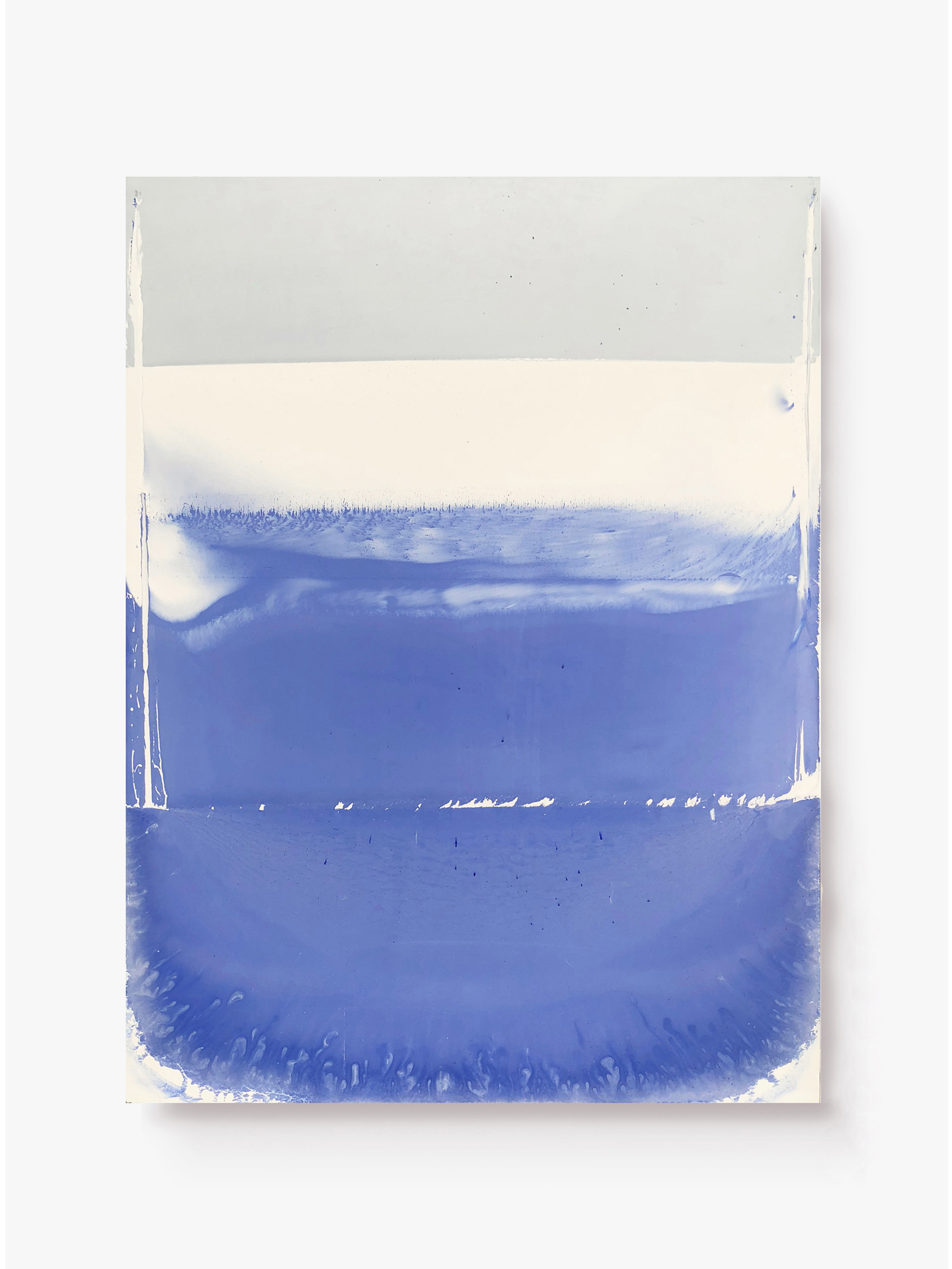
Untitled 2017
Pigmented plaster, wooden panel
80 x 60 x 3 cm
31 ¹/₂ x 23 ⁵/₈ x 1 ³/₁₆ inches
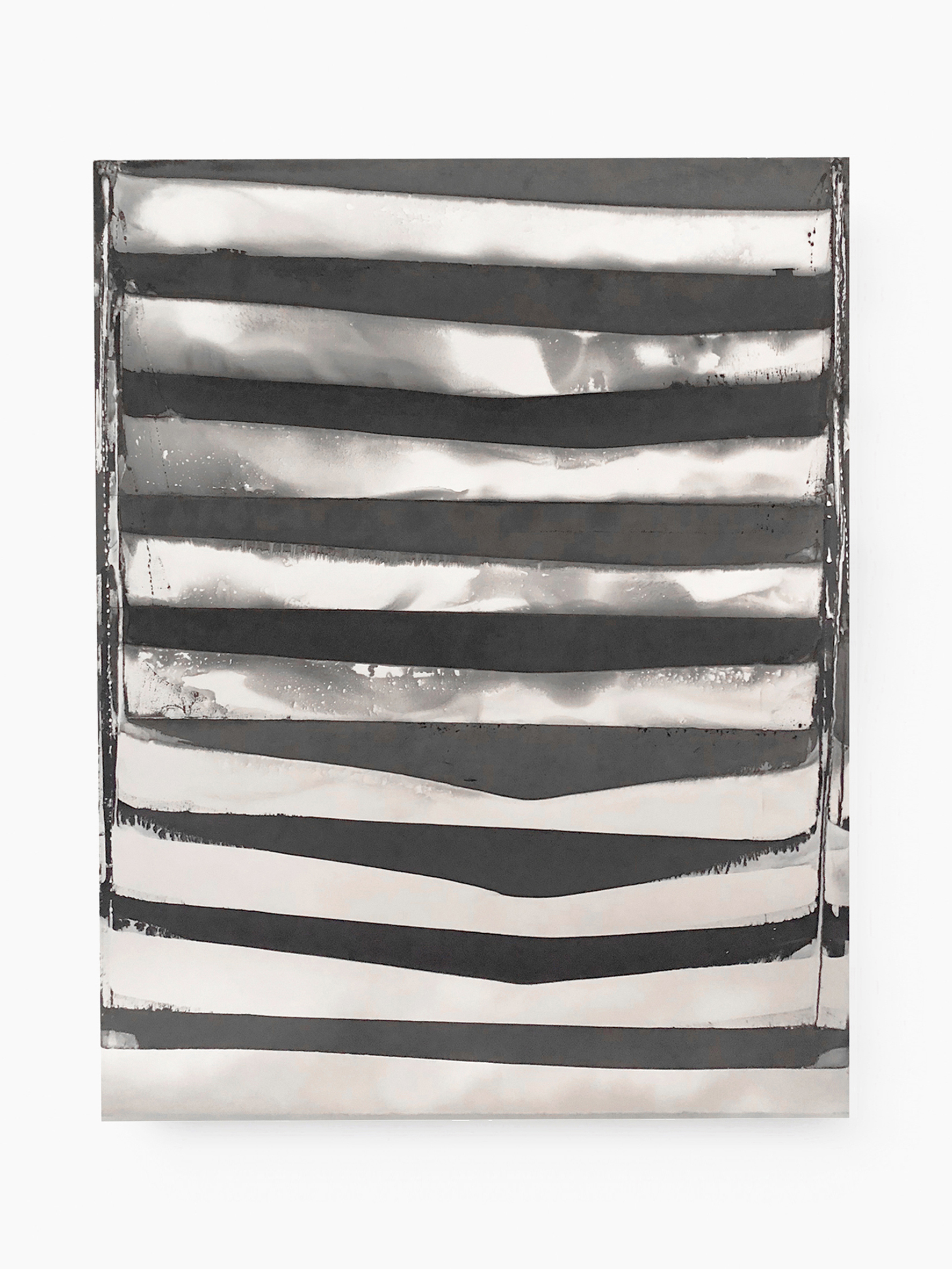
Untitled 2017
Pigmented plaster, metal structure
96 x 74 x 4 cm
37 ⁵¹/₆₄ x 29 ⁹/₆₄ x 1 ³⁷/₆₄ inches
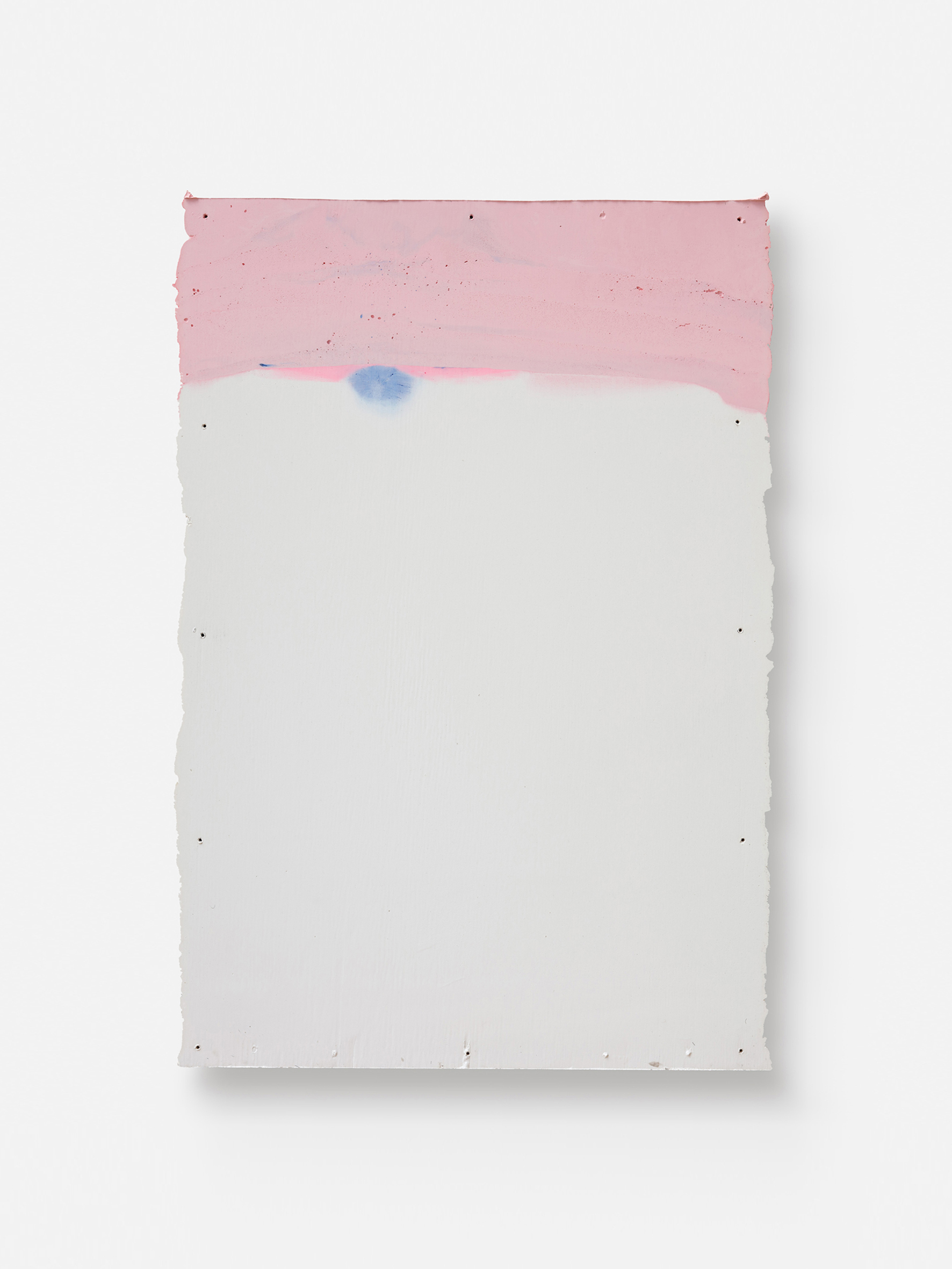
Untitled 2016
Pigmented plaster, canvas
60 x 40 x 3 cm
23 ⁵/₈ x 15 ³/₄ x 1 ³/₁₆ inches
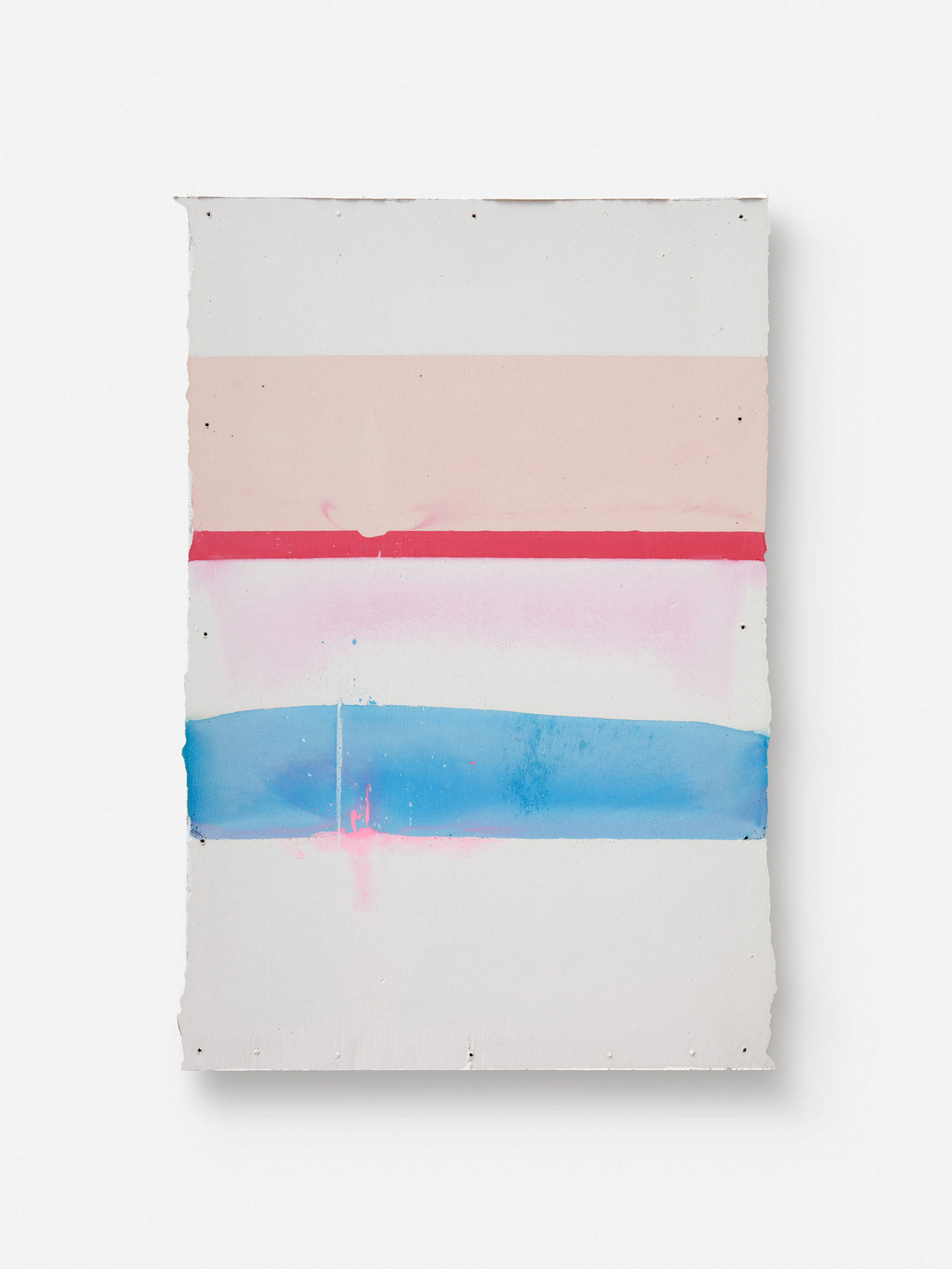
Untitled 2016
Pigmented plaster, canvas
60 x 40 x 3 cm
23 ⁵/₈ x 15 ³/₄ x 1 ³/₁₆ inches
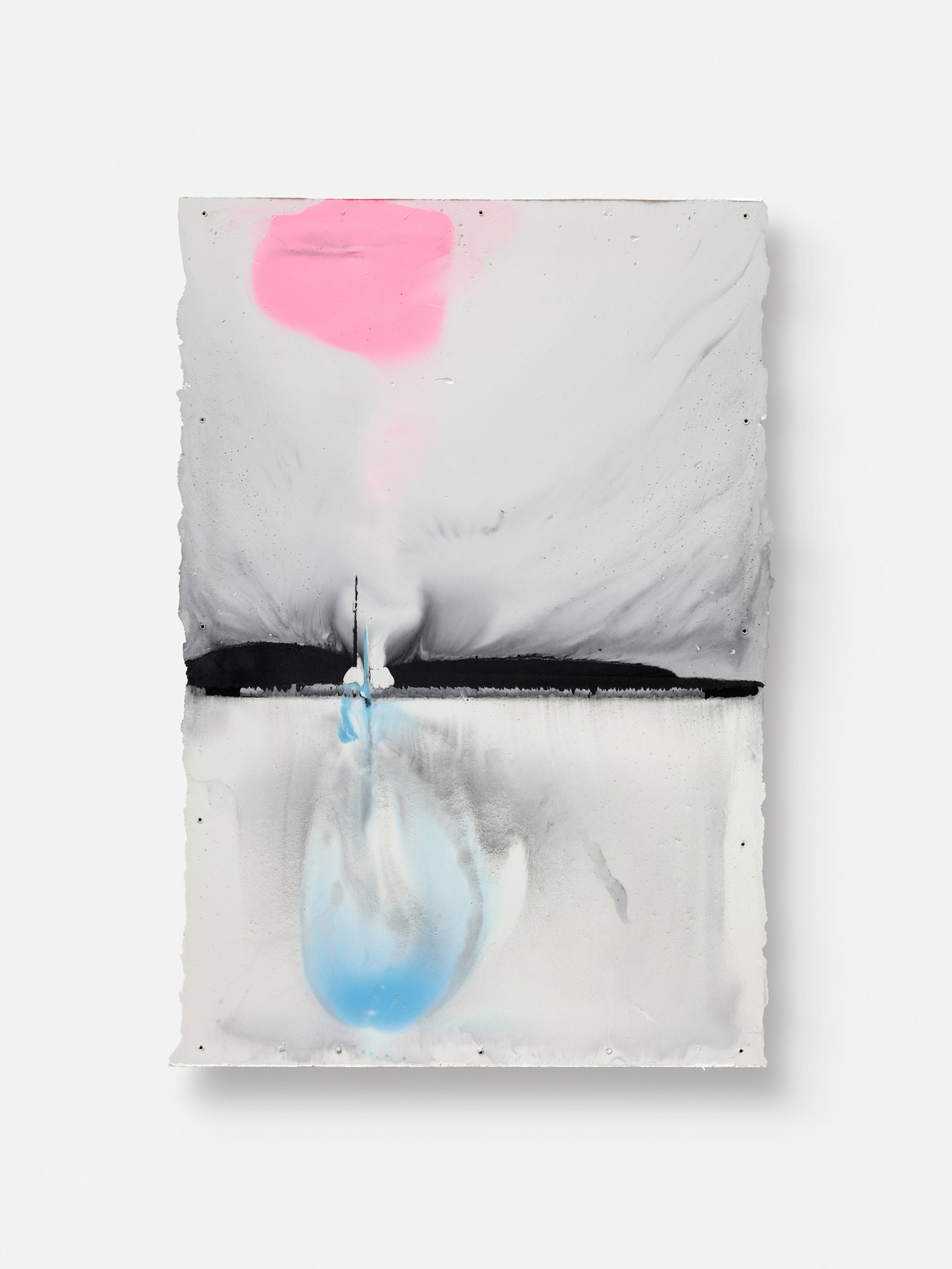
Untitled 2016
Pigmented plaster, canvas
60 x 40 x 3 cm
23 ⁵/₈ x 15 ³/₄ x 1 ³/₁₆ inches
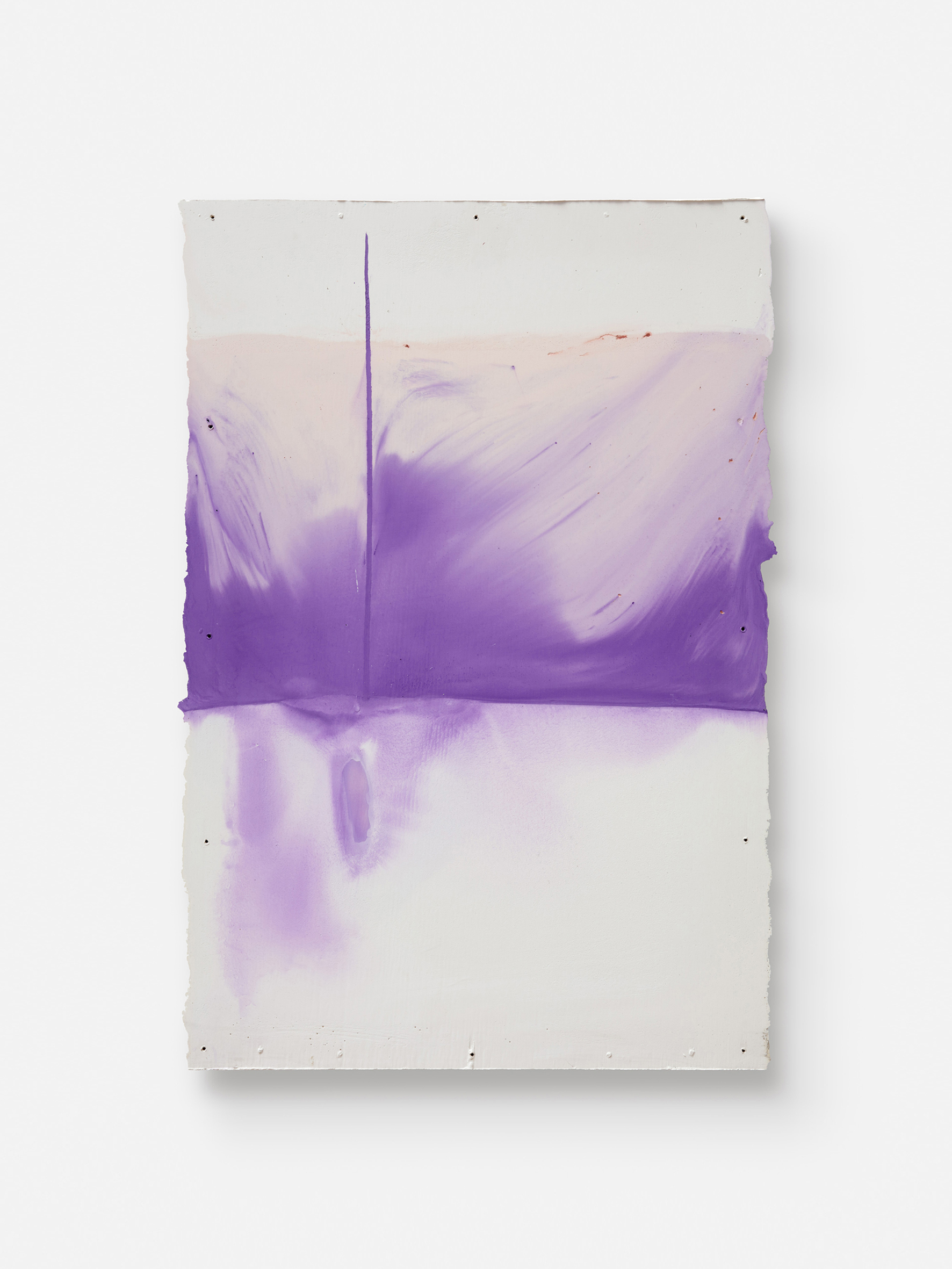
Untitled 2016
Pigmented plaster, canvas
60 x 40 x 3 cm
23 ⁵/₈ x 15 ³/₄ x 1 ³/₁₆ inches
Untitled 2026
Pigmented plaster in aluminium frame
30 x 40 x 1,5 cm
11 ¹³/₁₆ x 15 ³/₄ x 0 ¹⁹/₃₂ inches
Untitled 2020
Pigmented plaster, metal structure
70 x 100 x 4 cm
27 ⁹/₁₆ x 39 ³/₈ x 1 ³⁷/₆₄ inches
Untitled 2017
Pigmented plaster, wooden panel
80 x 60 x 3 cm
31 ¹/₂ x 23 ⁵/₈ x 1 ³/₁₆ inches
Untitled 2017
Pigmented plaster, metal structure
96 x 74 x 4 cm
37 ⁵¹/₆₄ x 29 ⁹/₆₄ x 1 ³⁷/₆₄ inches
Untitled 2016
Pigmented plaster, canvas
60 x 40 x 3 cm
23 ⁵/₈ x 15 ³/₄ x 1 ³/₁₆ inches
Untitled 2016
Pigmented plaster, canvas
60 x 40 x 3 cm
23 ⁵/₈ x 15 ³/₄ x 1 ³/₁₆ inches
Untitled 2016
Pigmented plaster, canvas
60 x 40 x 3 cm
23 ⁵/₈ x 15 ³/₄ x 1 ³/₁₆ inches
Untitled 2016
Pigmented plaster, canvas
60 x 40 x 3 cm
23 ⁵/₈ x 15 ³/₄ x 1 ³/₁₆ inches
Drawings
Where sculptural works are shaped unseen in their closed moulds, becoming drawn out — the drawings unfold on the open surface, becoming drawn in, tracing the body’s first movement into presence.
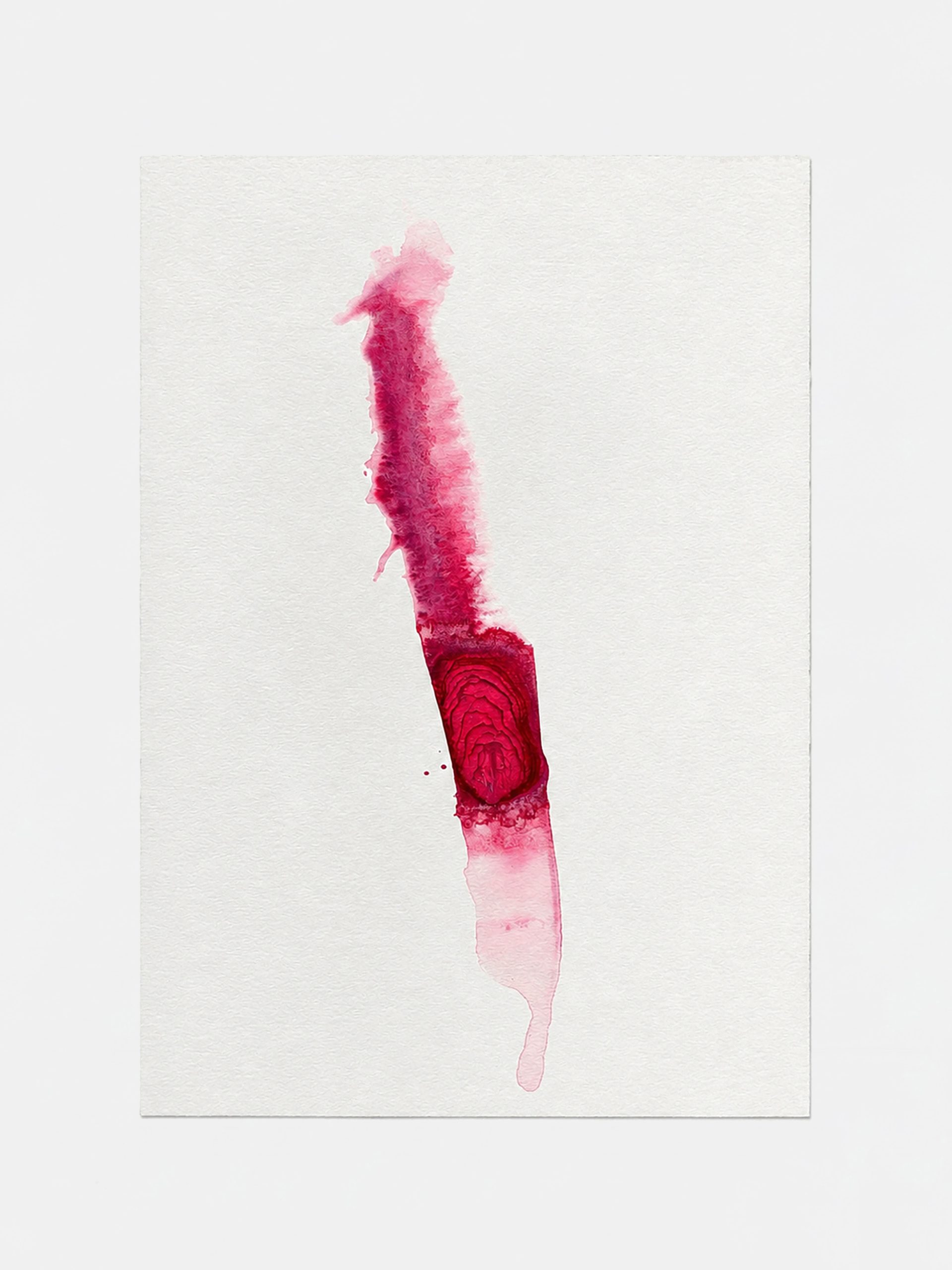
Untitled 2026
Pigment on paper
25,4 x 17,4 cm
10 x 6 ²⁷/₃₂ inches
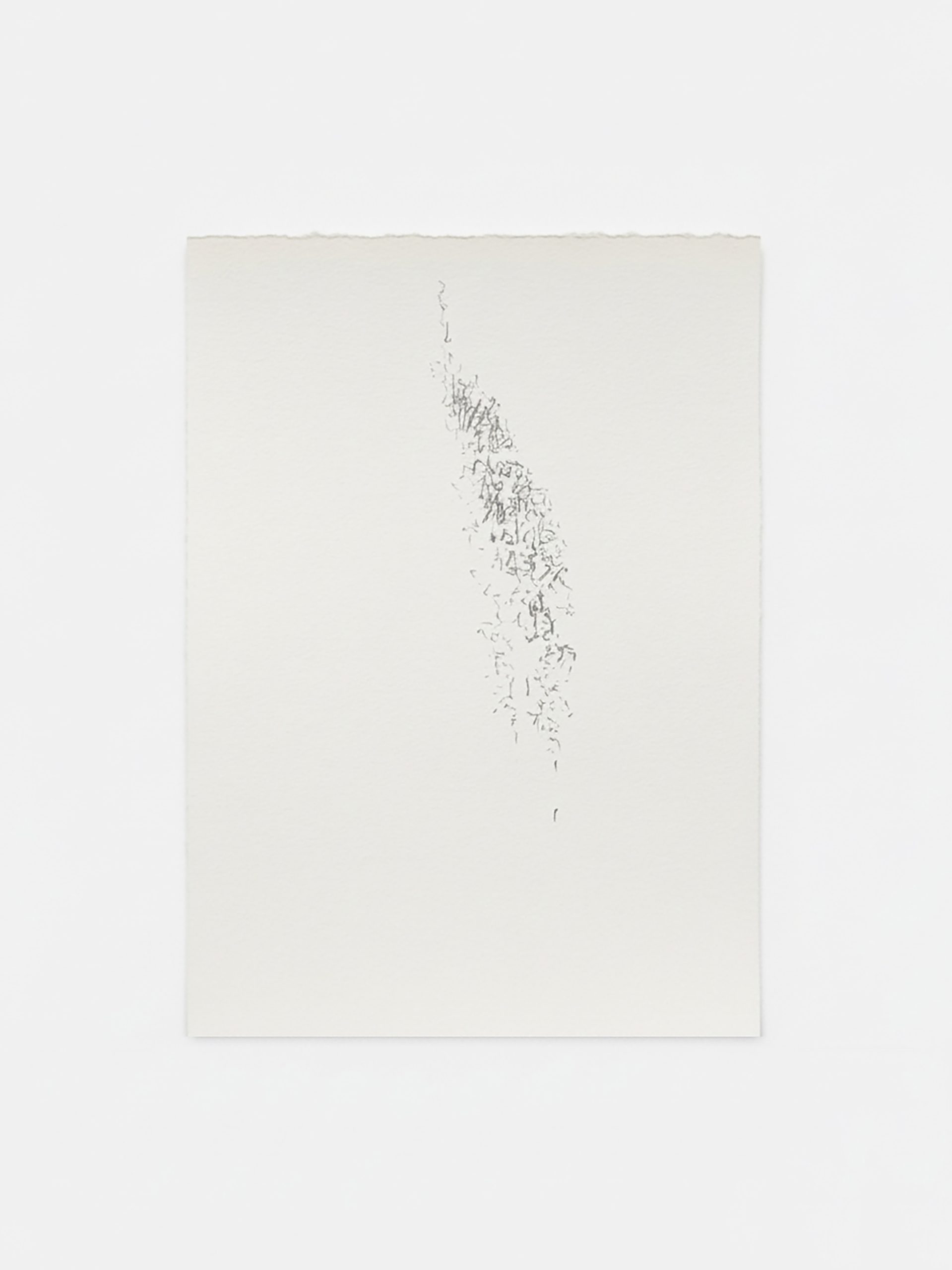
Untitled 2025
Graphite on paper
19,6 x 14,7 cm
7 ²³/₃₂ x 5 ²⁵/₃₂ inches
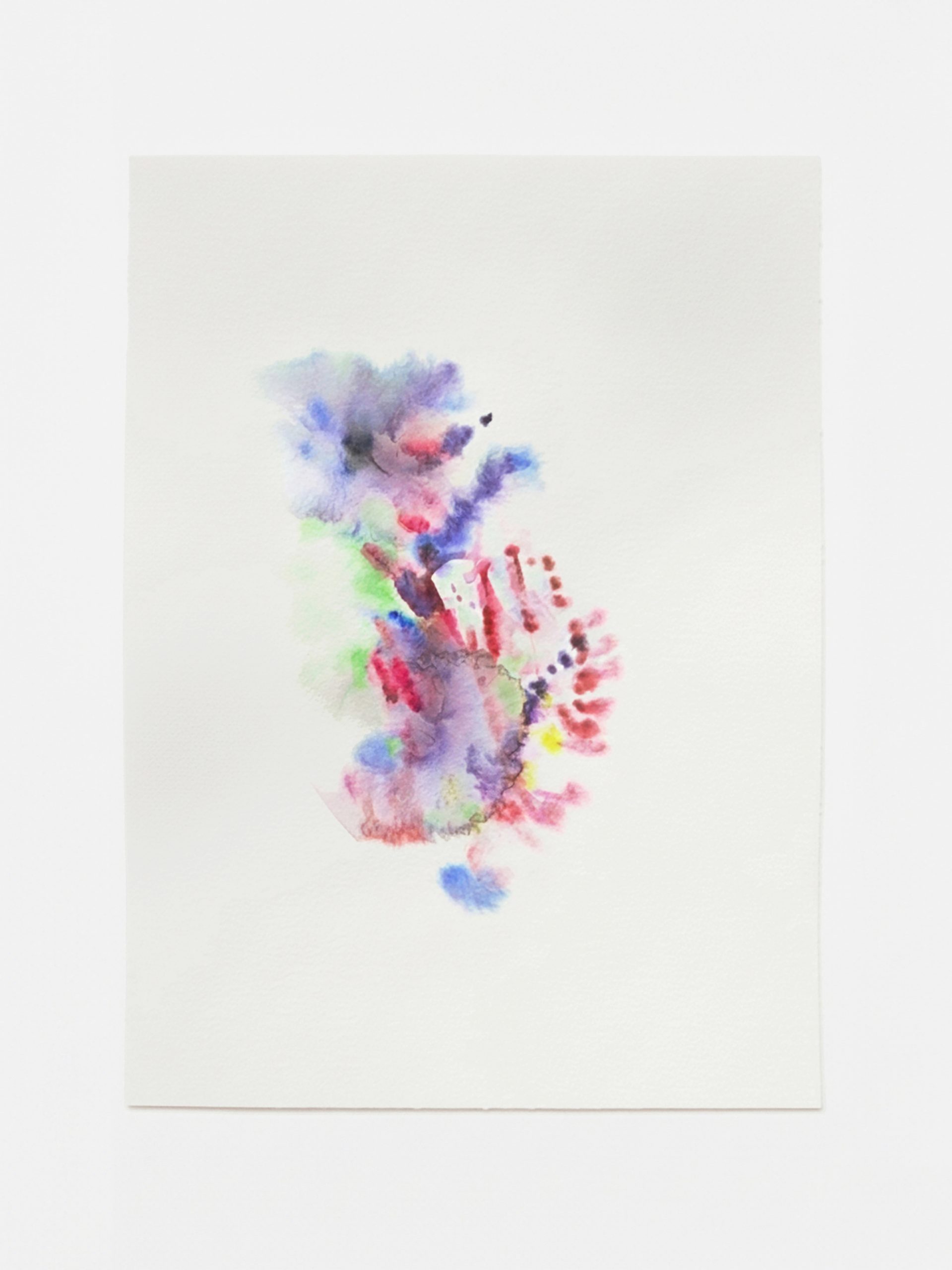
Untitled 2025
Pigment on paper
21 x 29,5 cm
8 ¹⁷/₆₄ x 11 ³⁹/₆₄ inches
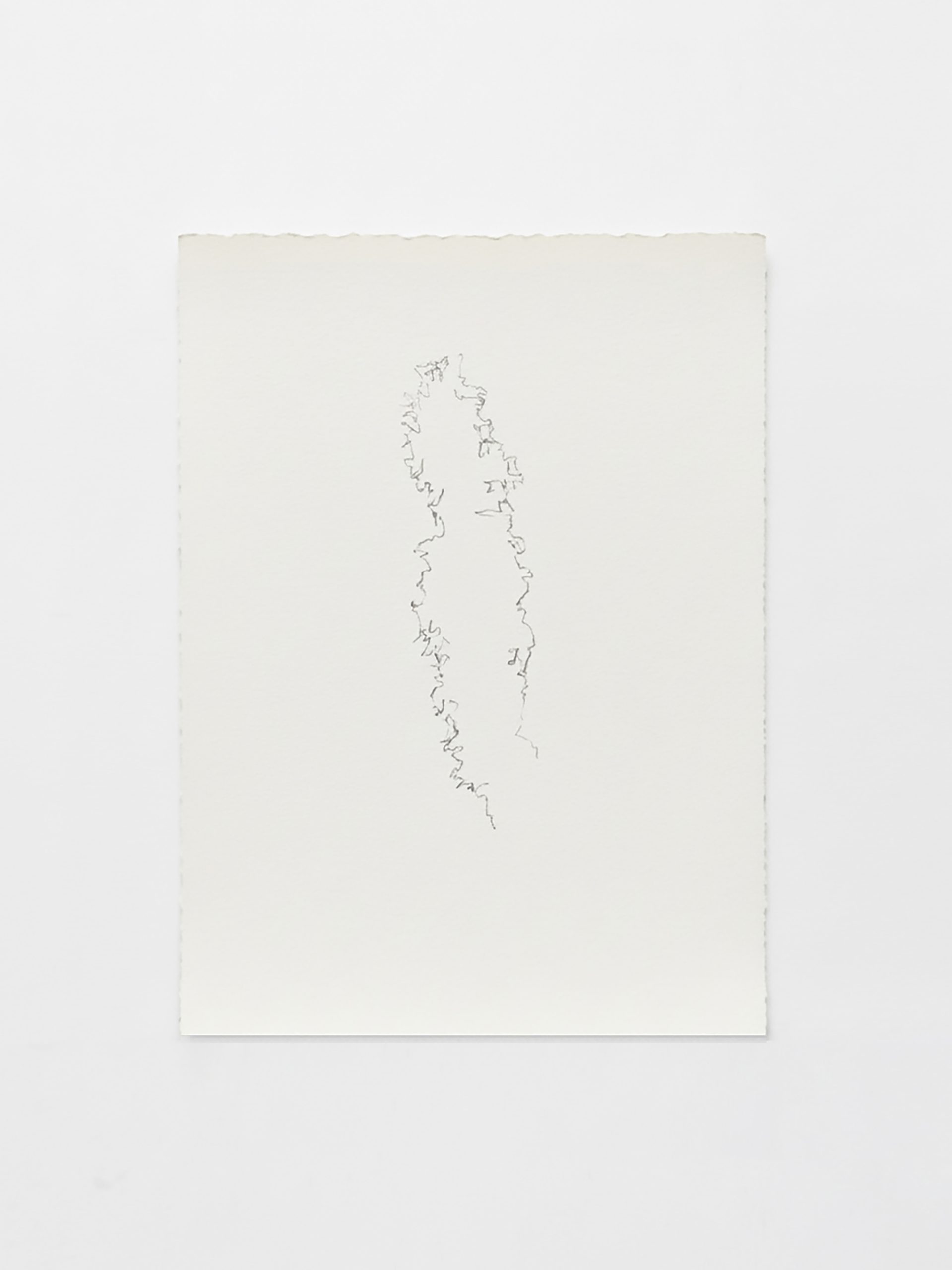
Untitled 2025
Graphite on paper
19,6 x 14,7
7 ²³/₃₂ x 5 ²⁵/₃₂ inches
Untitled 2026
Pigment on paper
25,4 x 17,4 cm
10 x 6 ²⁷/₃₂ inches
Untitled 2025
Graphite on paper
19,6 x 14,7 cm
7 ²³/₃₂ x 5 ²⁵/₃₂ inches
Untitled 2025
Pigment on paper
21 x 29,5 cm
8 ¹⁷/₆₄ x 11 ³⁹/₆₄ inches
Untitled 2025
Graphite on paper
19,6 x 14,7
7 ²³/₃₂ x 5 ²⁵/₃₂ inches
Exhibitions
In 2010, Stijn Ank presents his first sculptures in the exhibition Prototypes, introducing his unique practice. For his inaugural solo show at SMAK in Ghent in 2012, he uses the museum space itself as a mold.
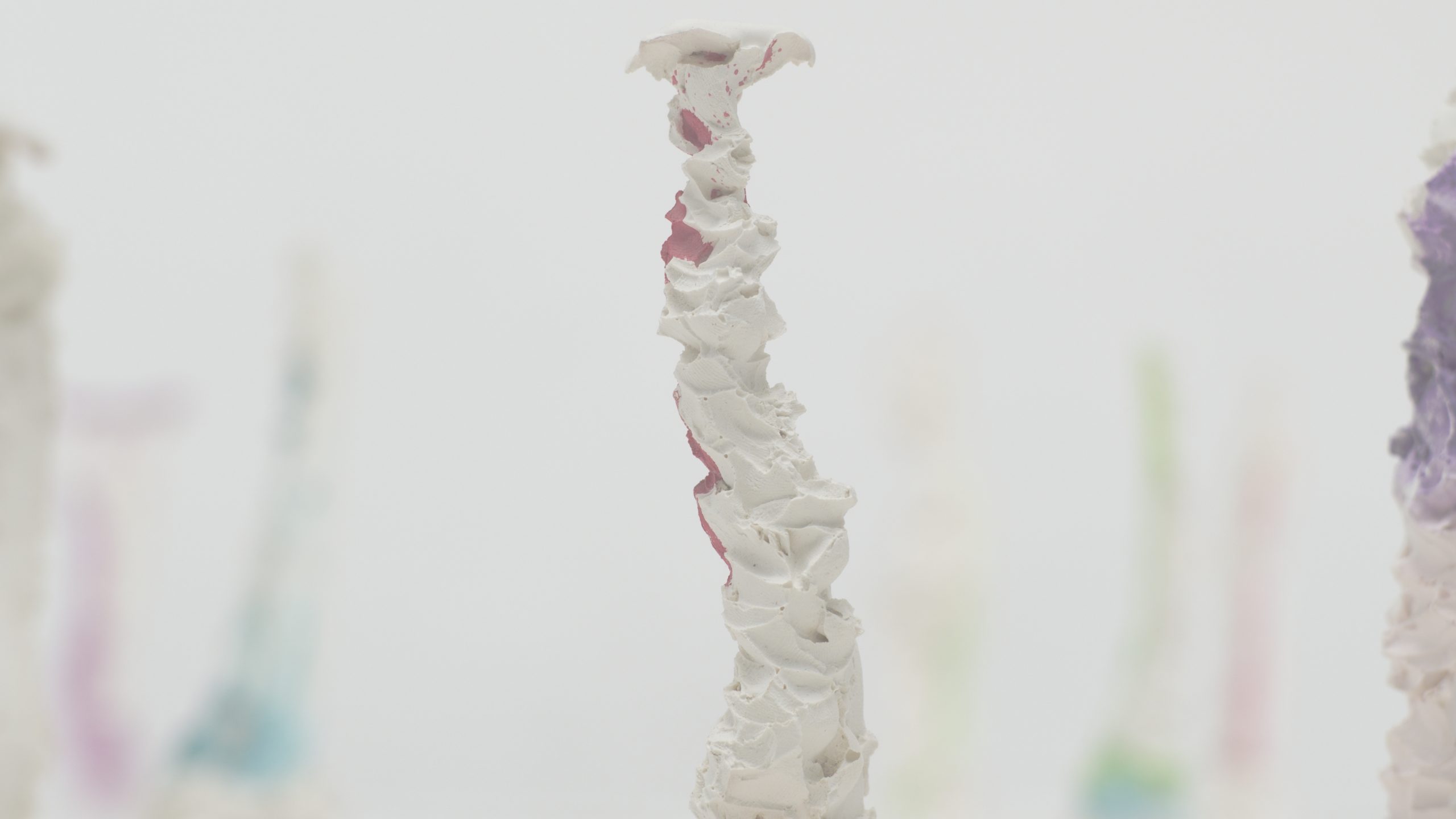
Breathe 2025
IMMA
Dublin (IR)
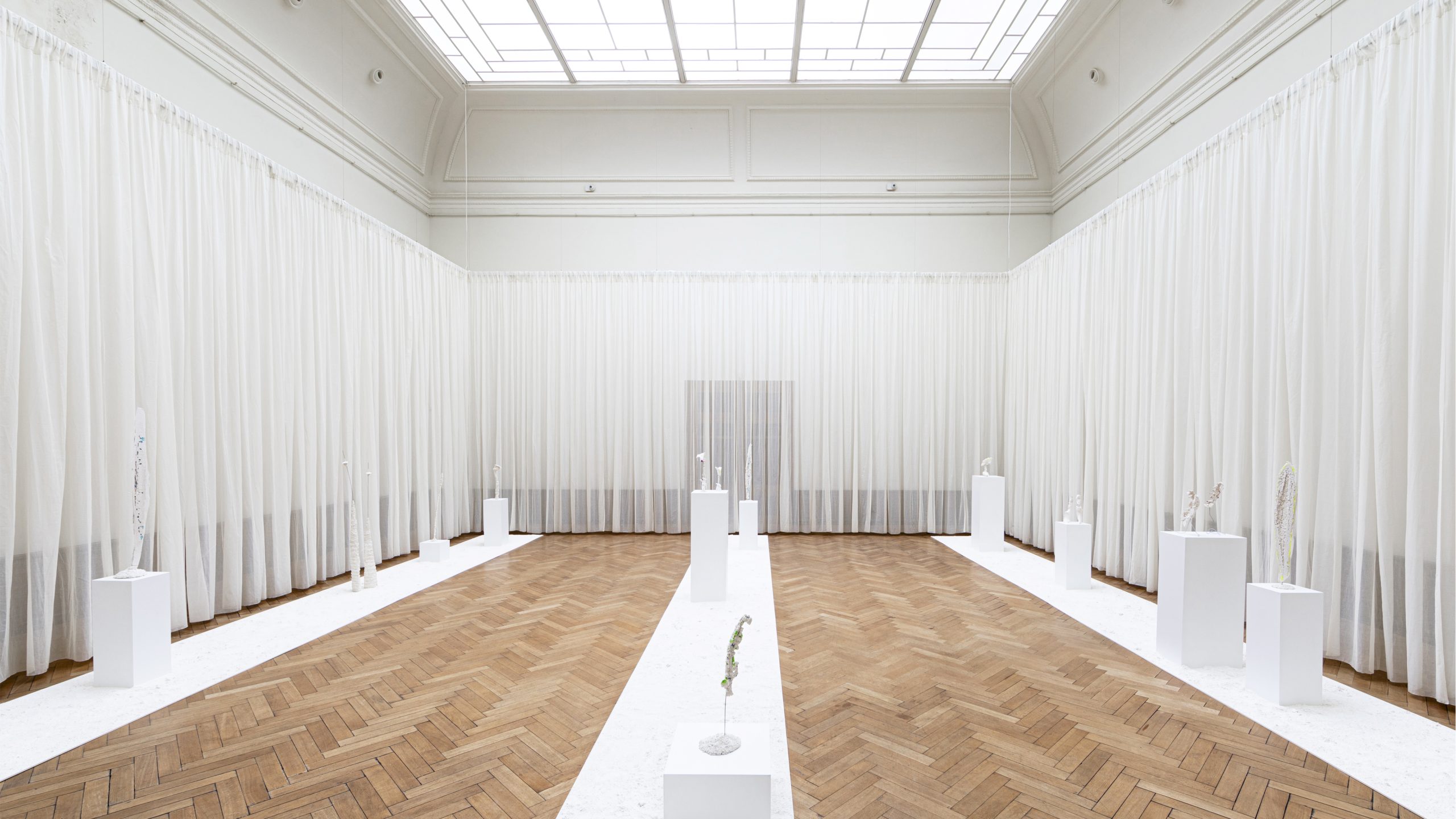
Sculpture 2024
Kunsthaus Lempertz
Brussels (BE)
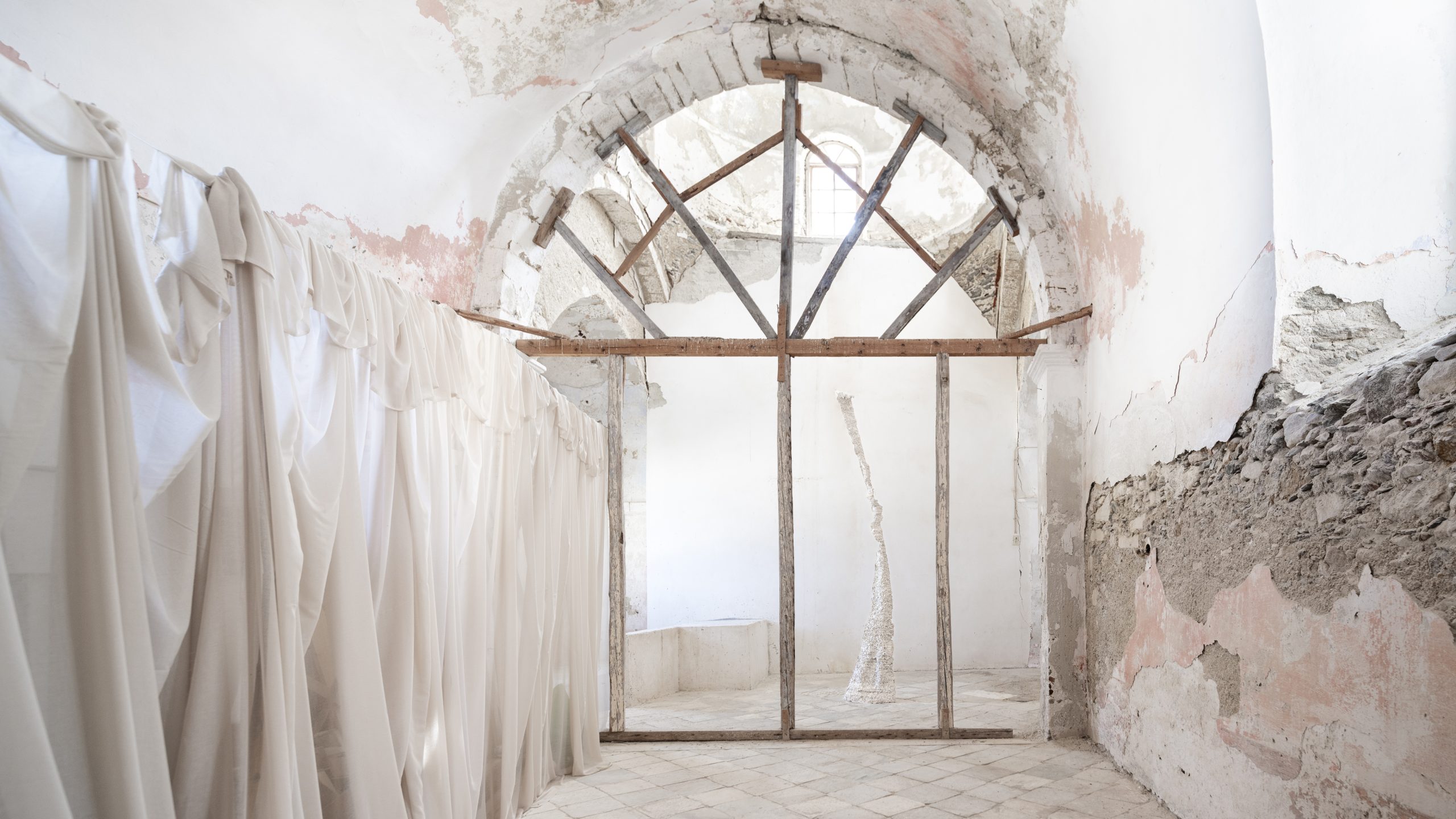
Angel 2023
Chapel Agios Antonios
Naxos (GR)
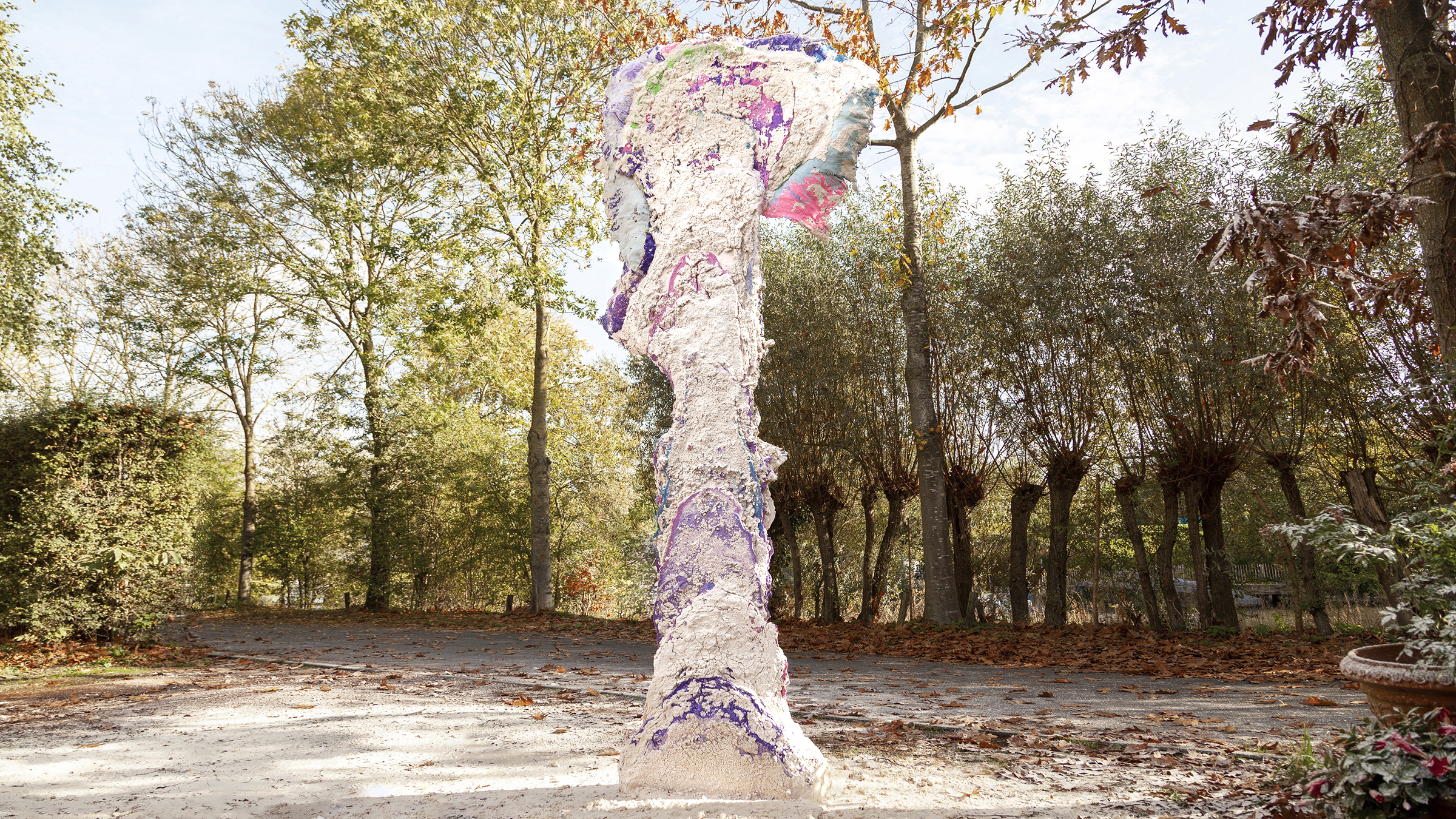
Phoenix 2022
Art Week
Luxembourg (LU)

Phoenix 2022
Jardin des Tuileries – Louvre
Paris (FR)
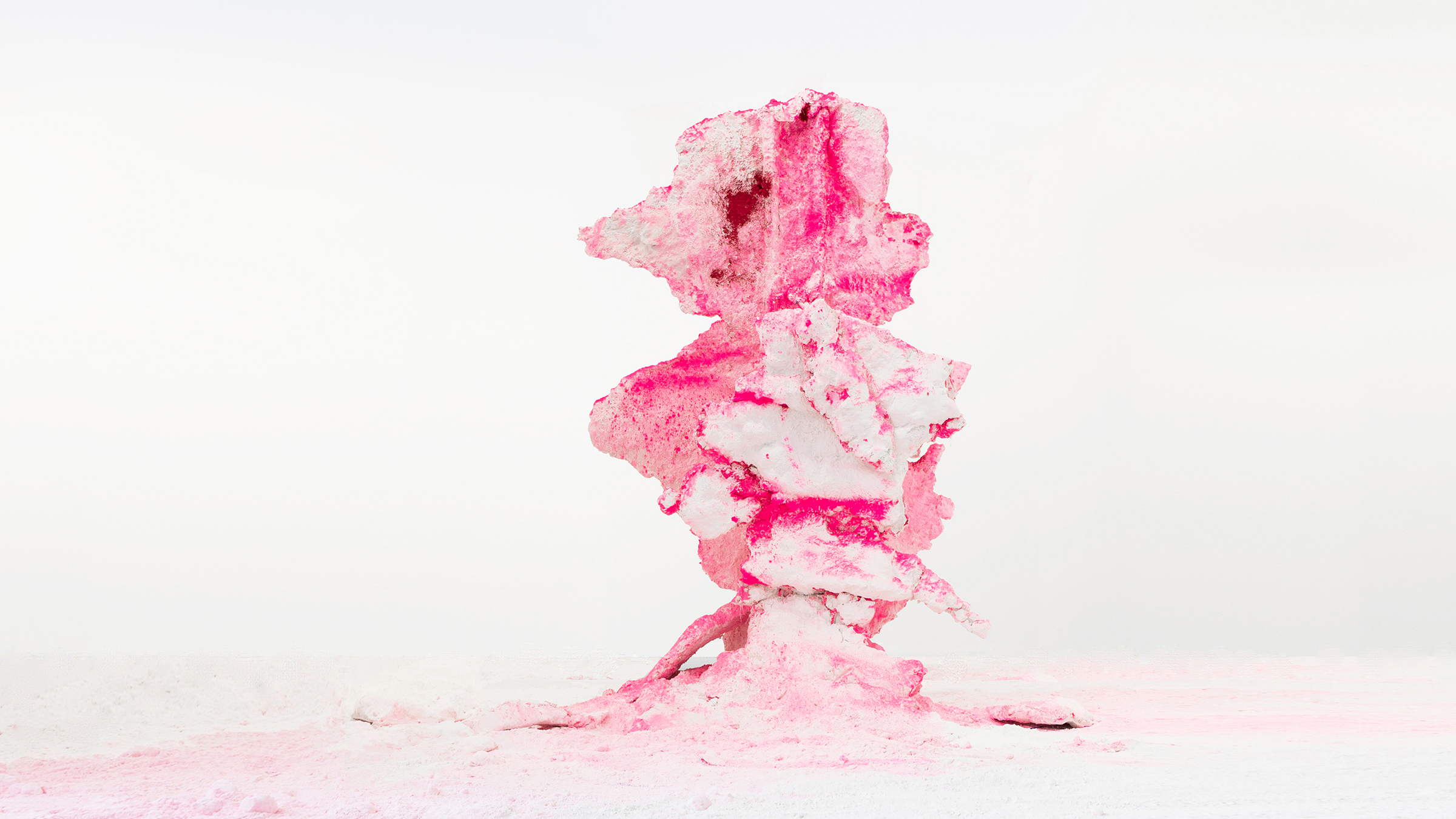
Eos 2022
Tour & Taxis
Brussels (BE)

Desire 2022
Gallery ÖktemAykut
Istanbul (TR)
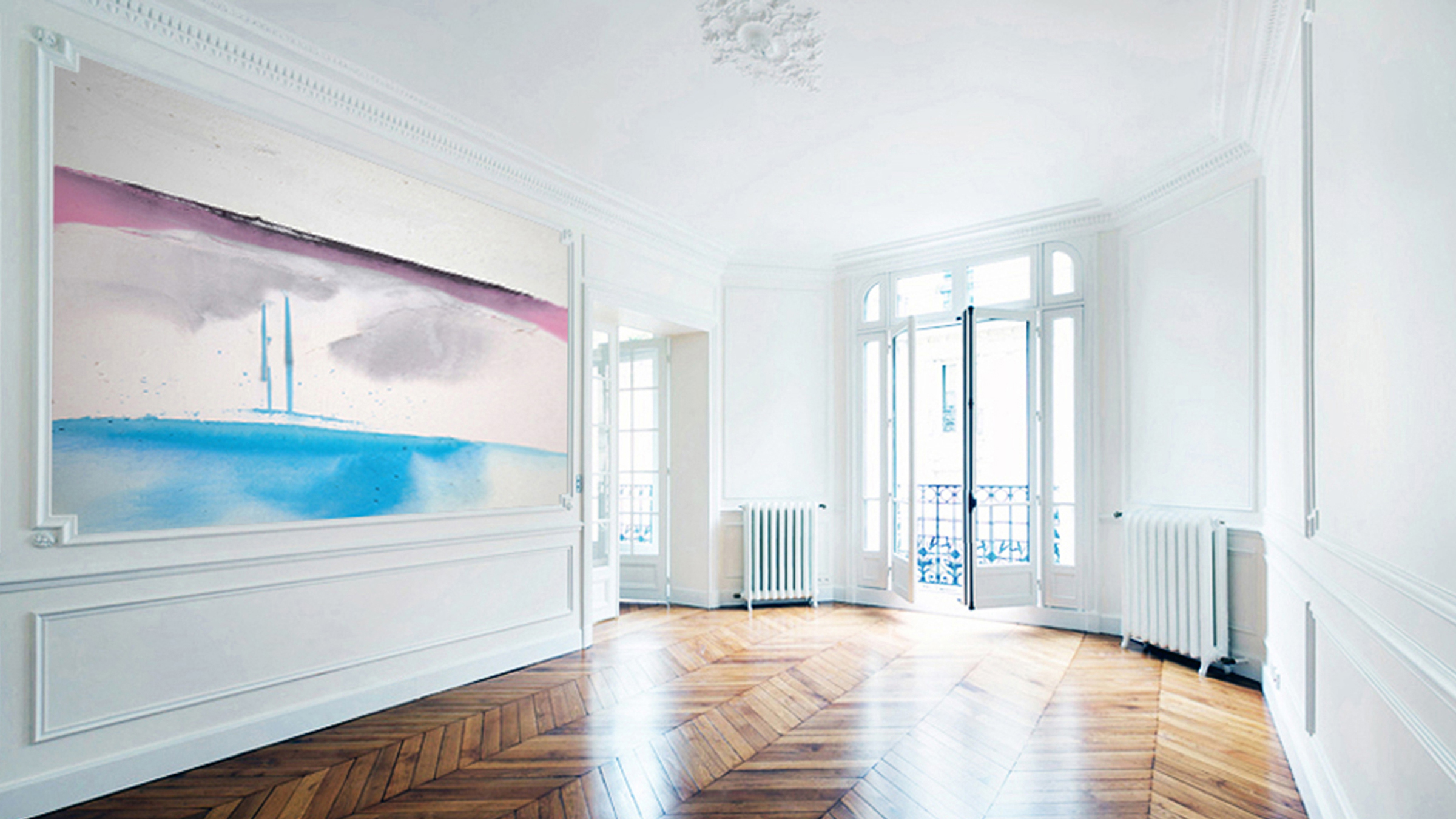
Poems to Rome 2020
Academia Belgica
Rome (IT)
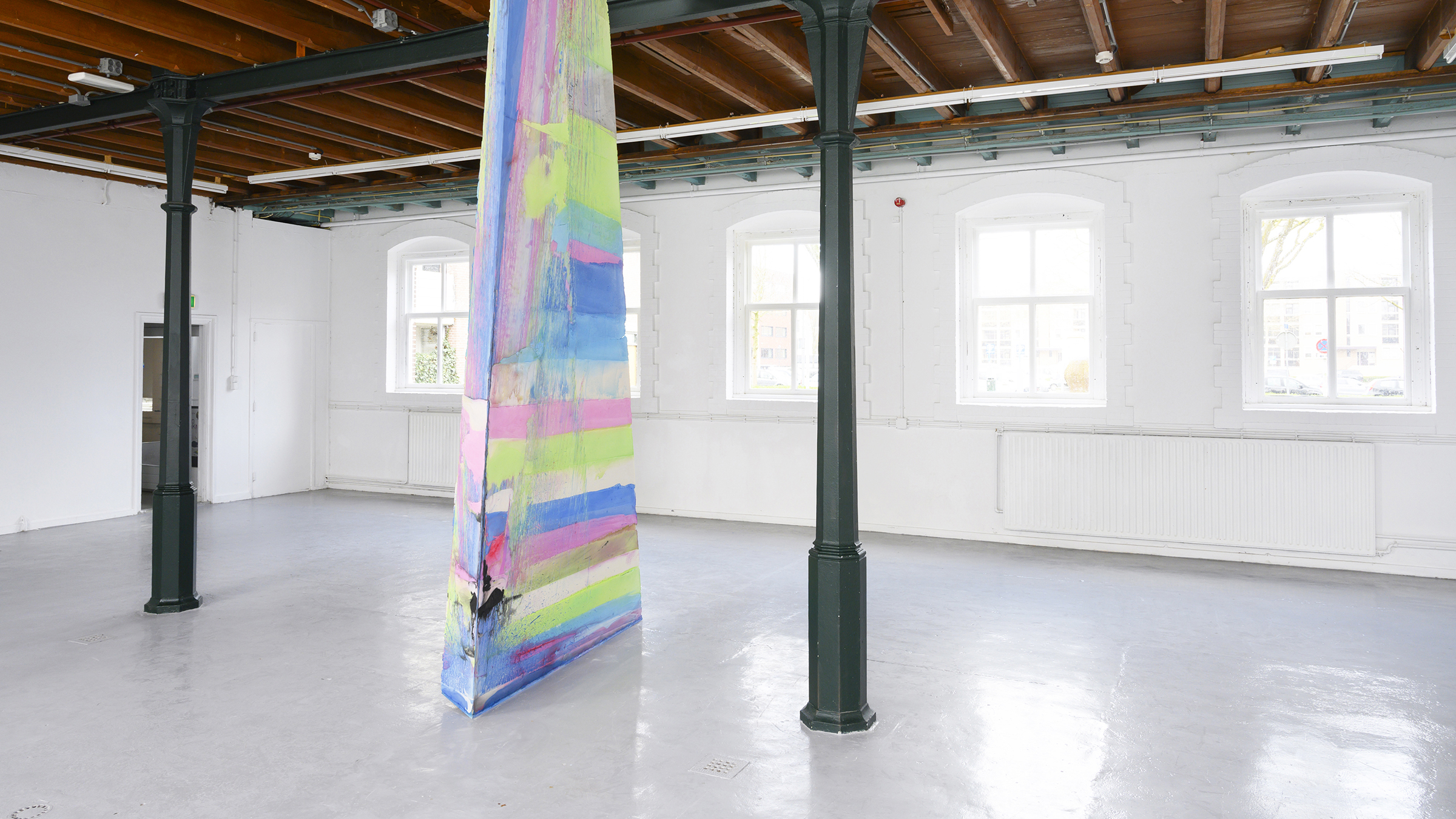
It 2019
Club Solo & Vanabbemuseum
Breda (NL)
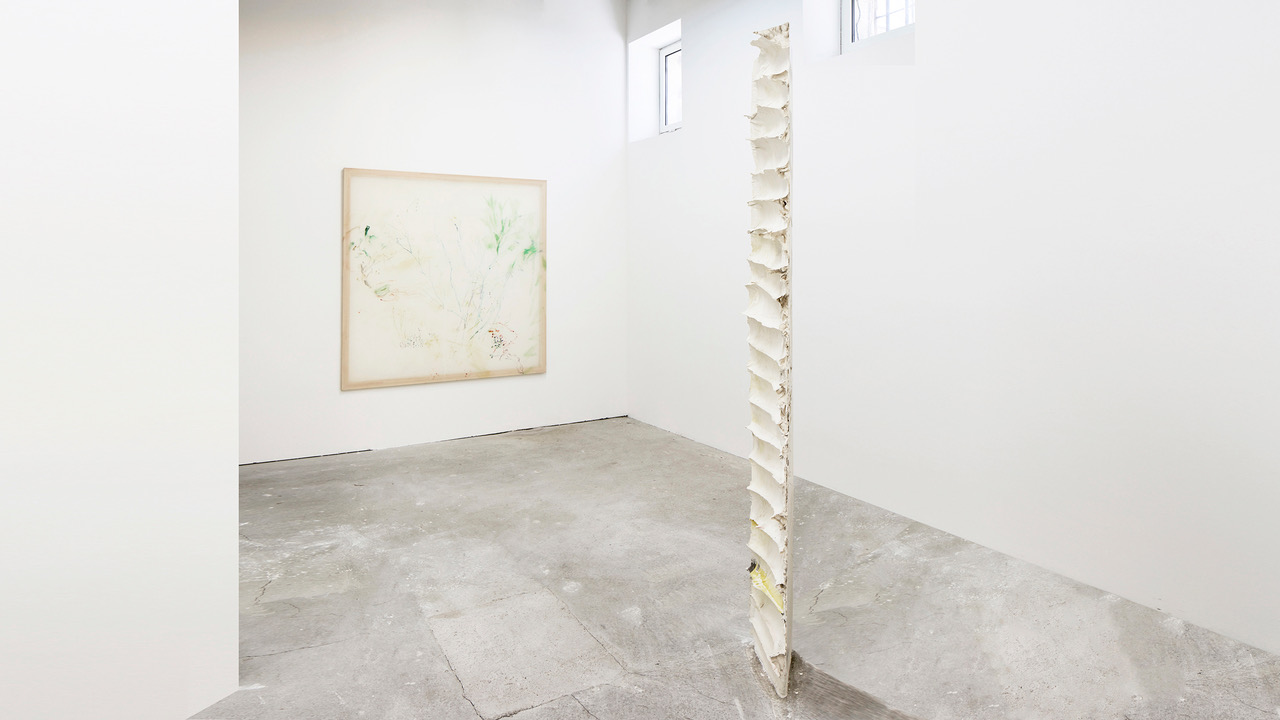
The Beauty I feel 2018
Gallery Catherine Bastide
Marseille (FR)
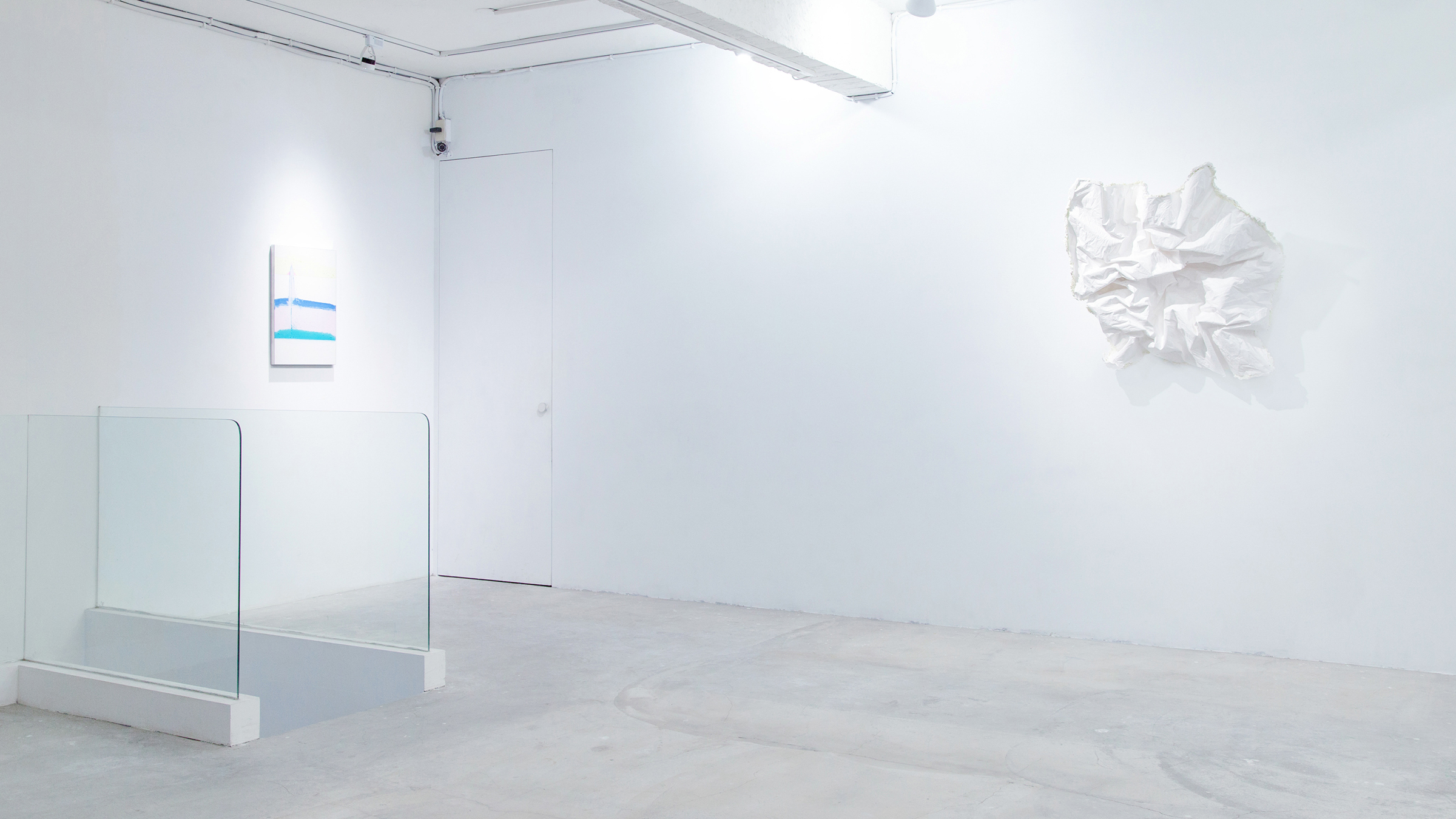
Purity 2017
Gallery Nunu Fine Art
Taipei (TW)

Unvoid 2017
MOCA
Taipei (TW)
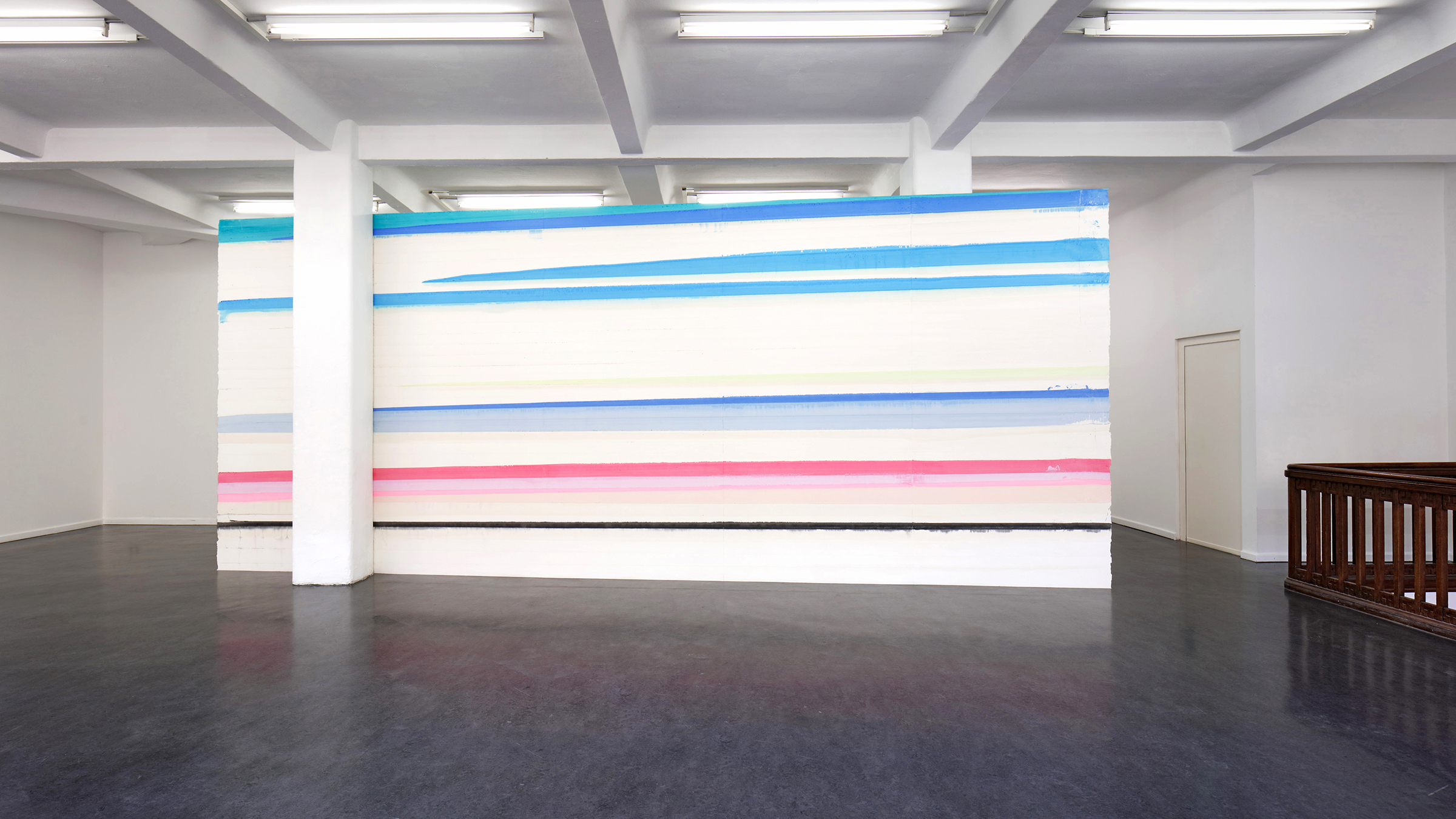
Fresco 2017
Künstlerhaus Bethanien
Berlin (DE)
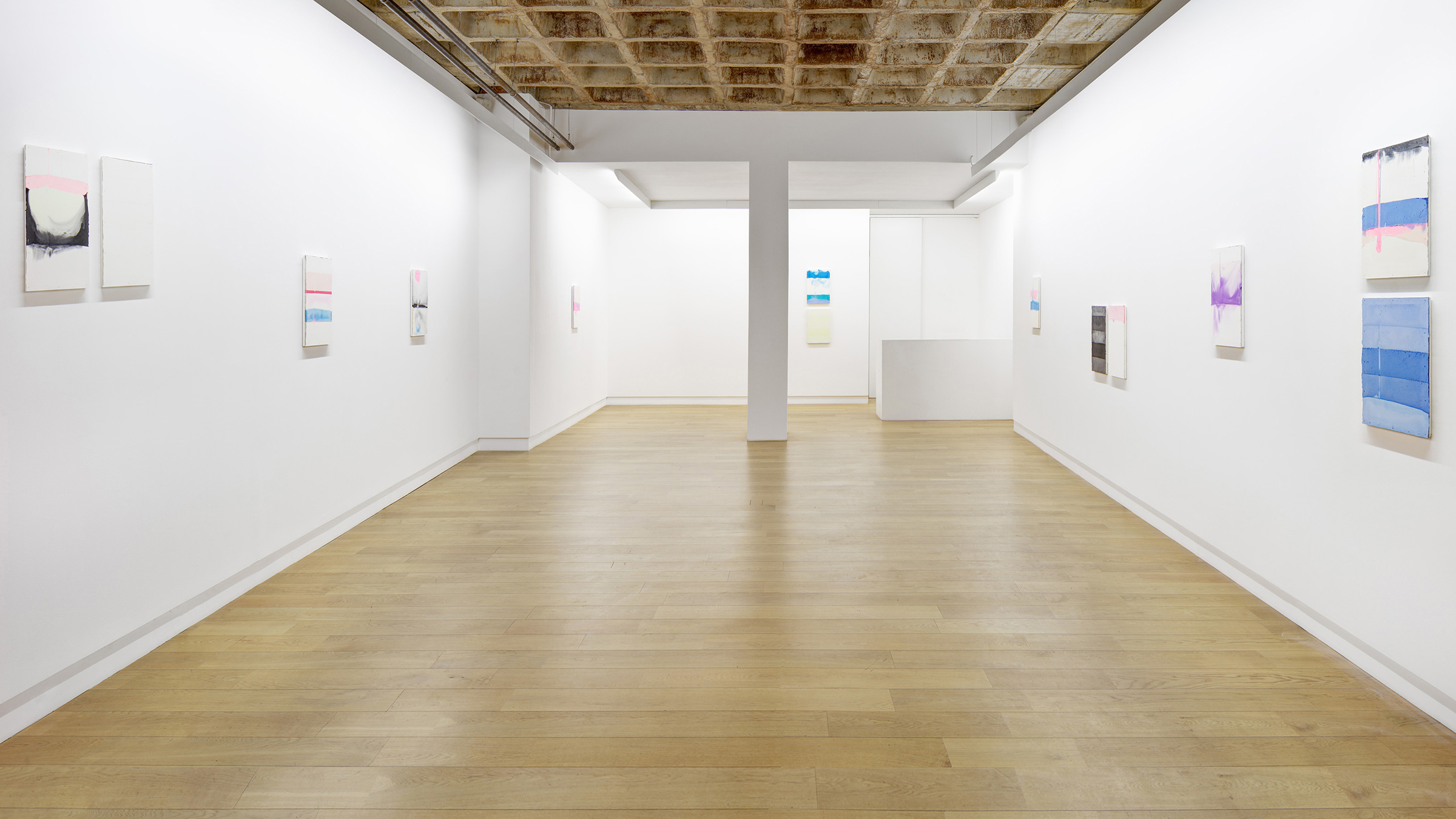
Fresco 2017
Gallery Michael Janssen
Berlin (DE)
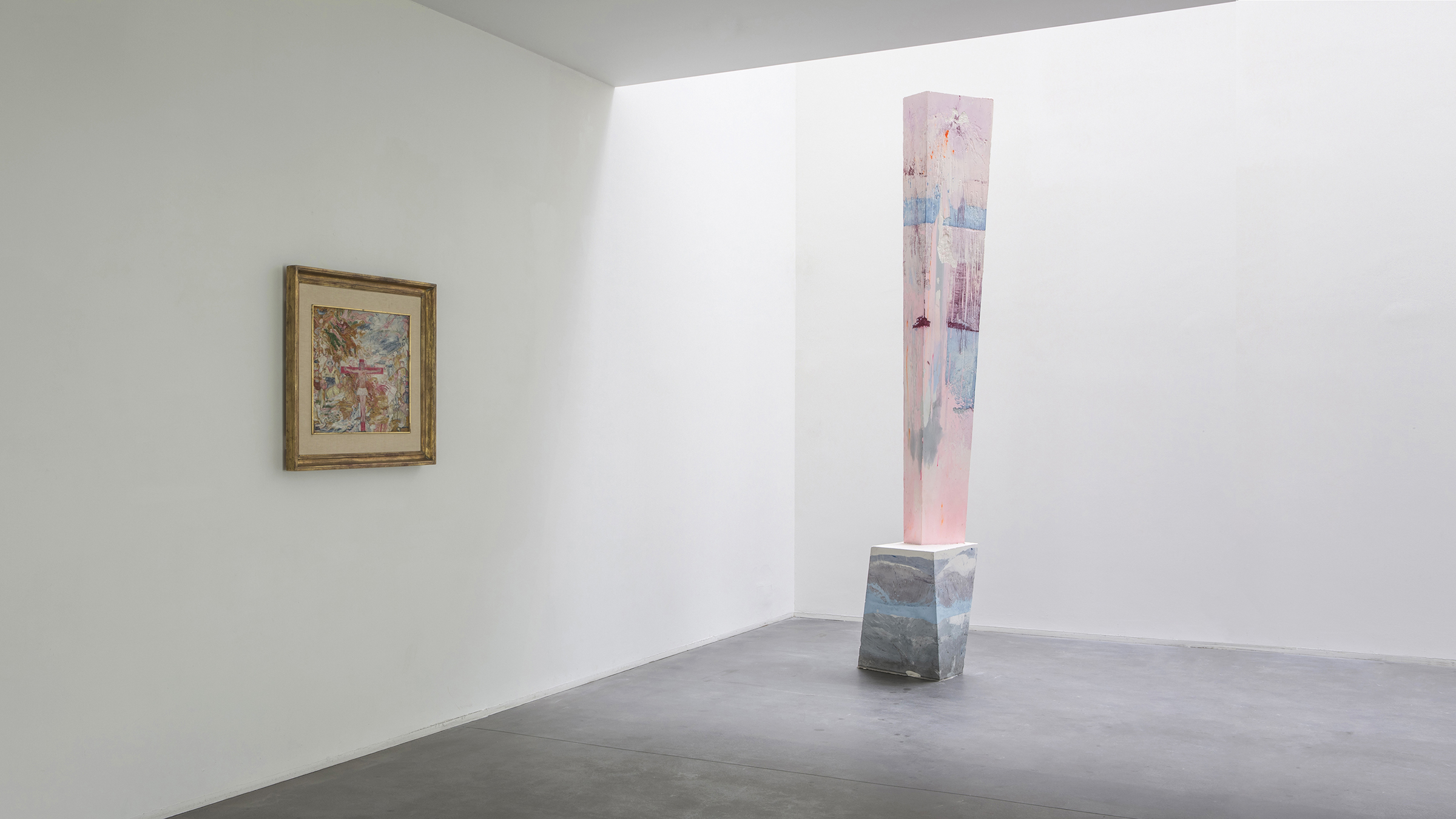
The Biennial of Painting 2016
Raveel Museum
Machelen aan de Leie (BE)
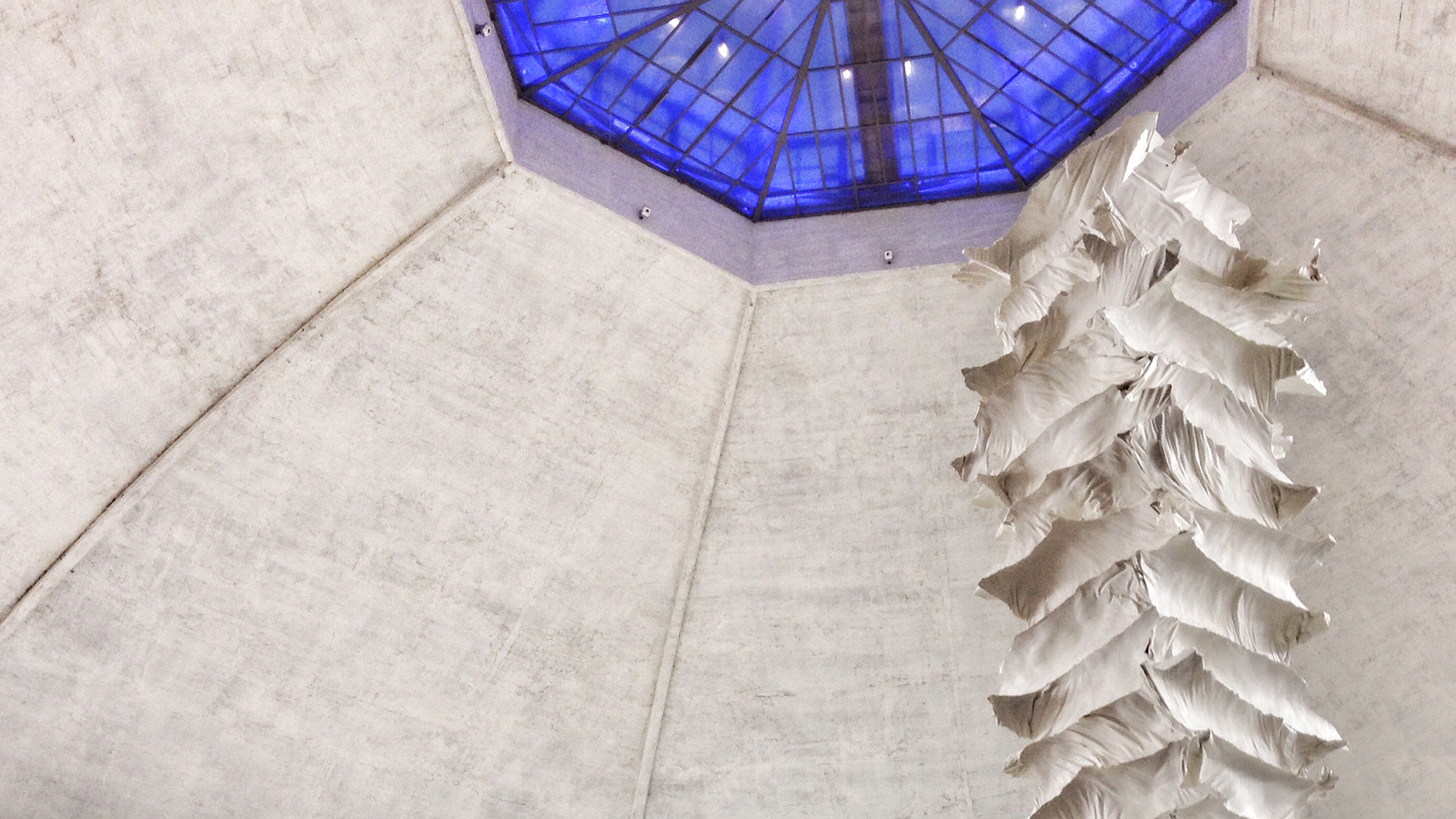
Endless Column 2014
Markthalle
Basel (CH)
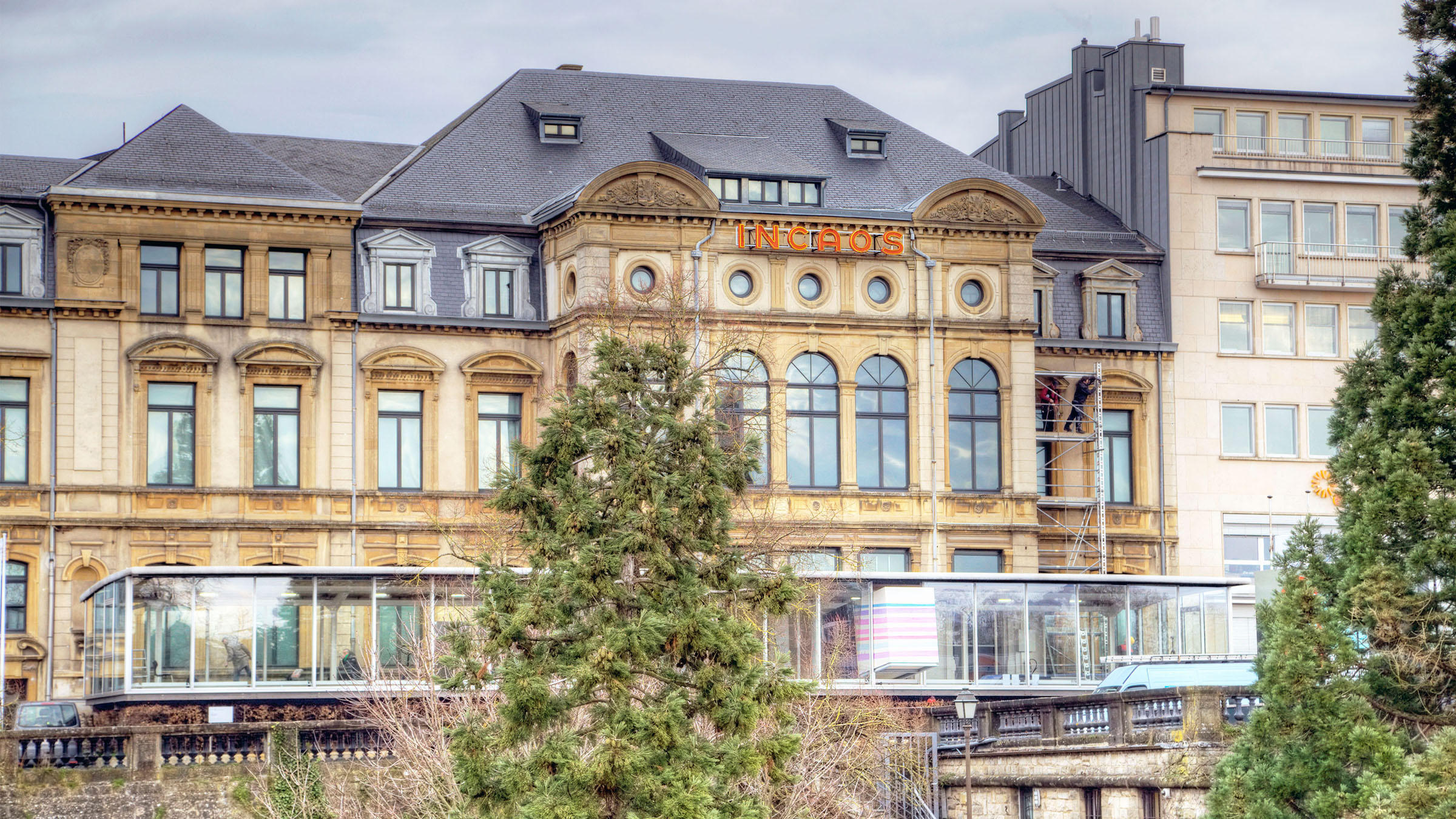
Vector 2014
Forum d’Art Contemporain
Luxembourg (LU)
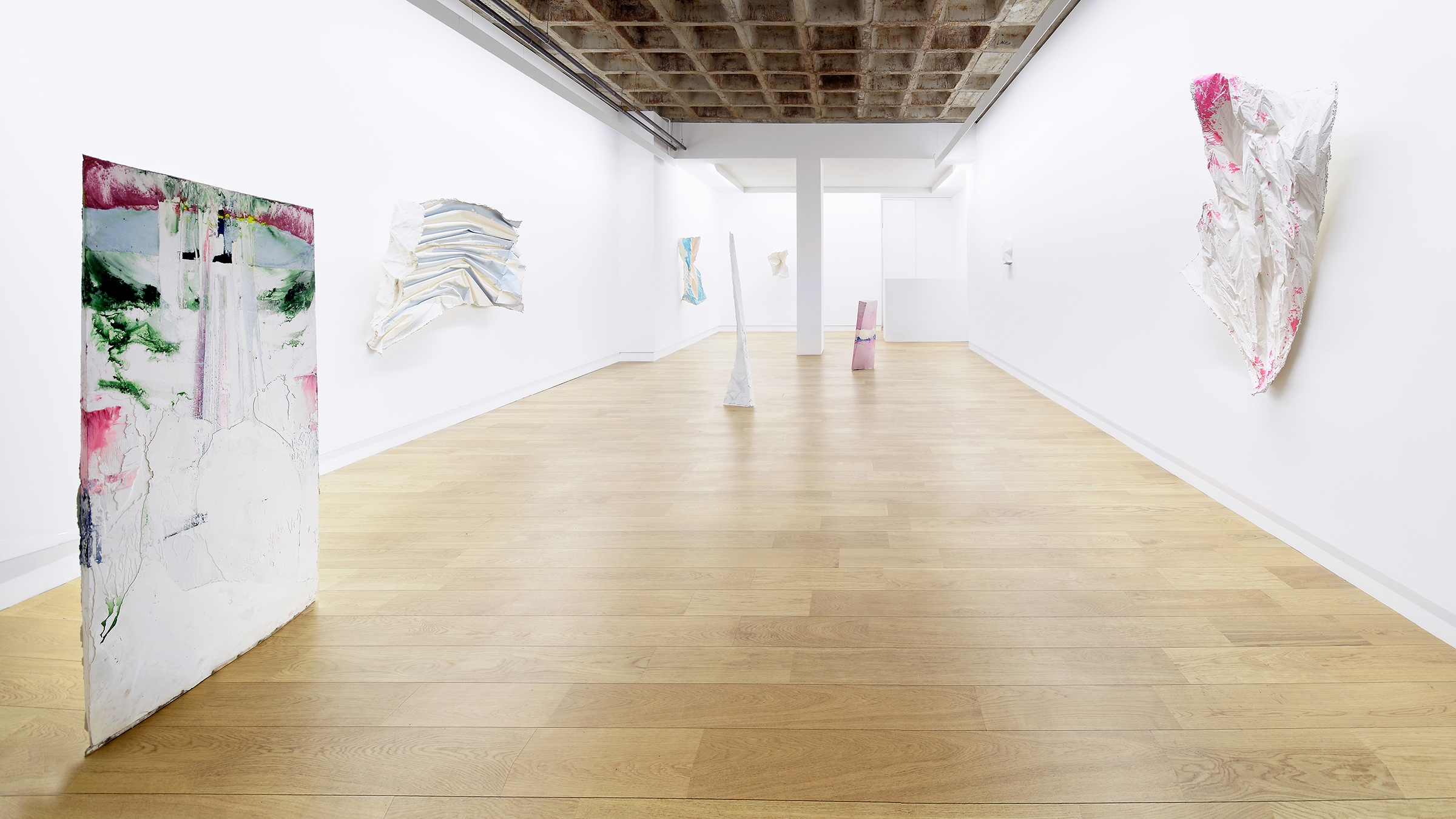
diSTANCES 2014
Gallery Michael Jansssen
Berlin (DE)
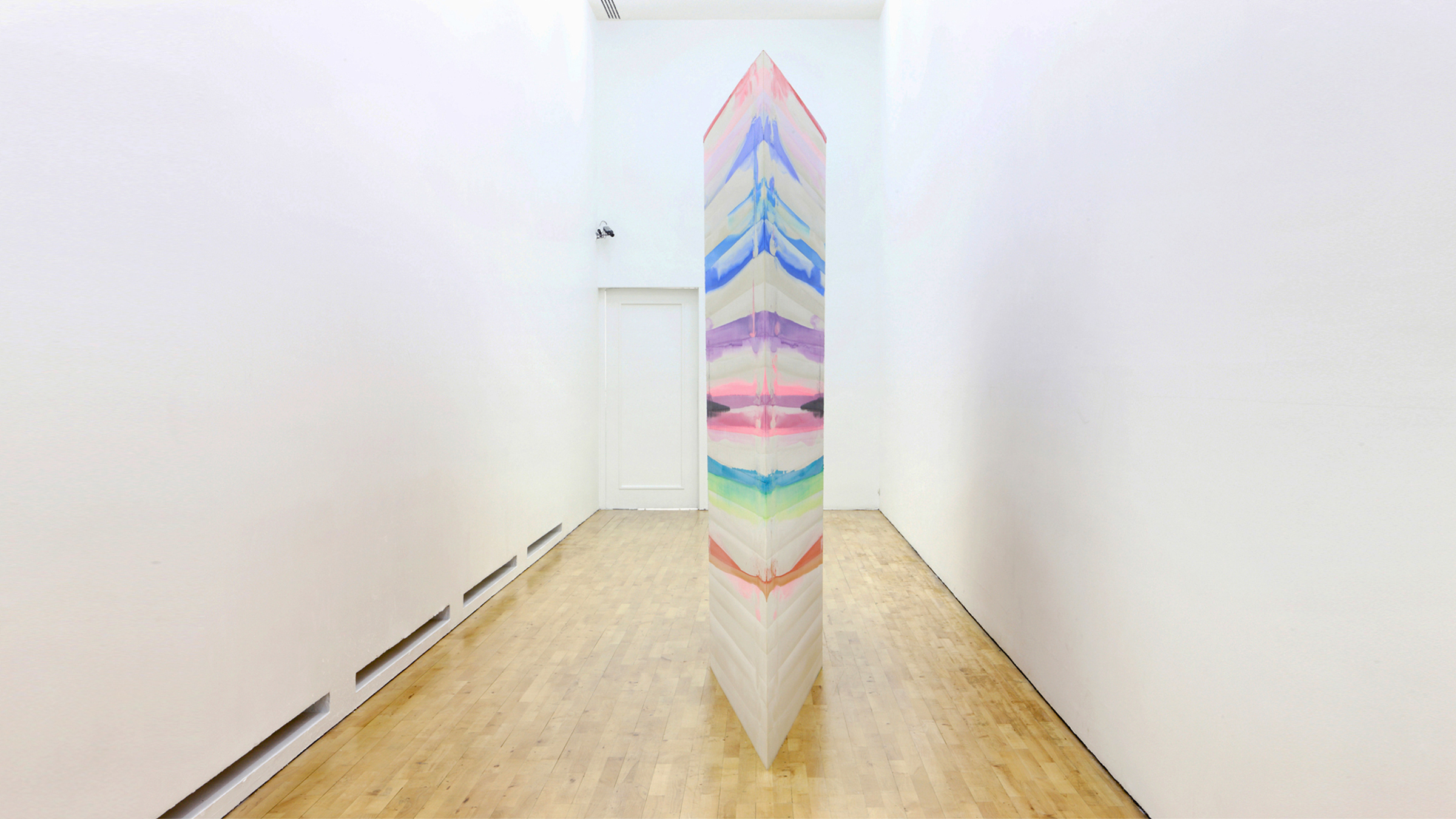
Interval 2012
SMAK
Ghent (BE)
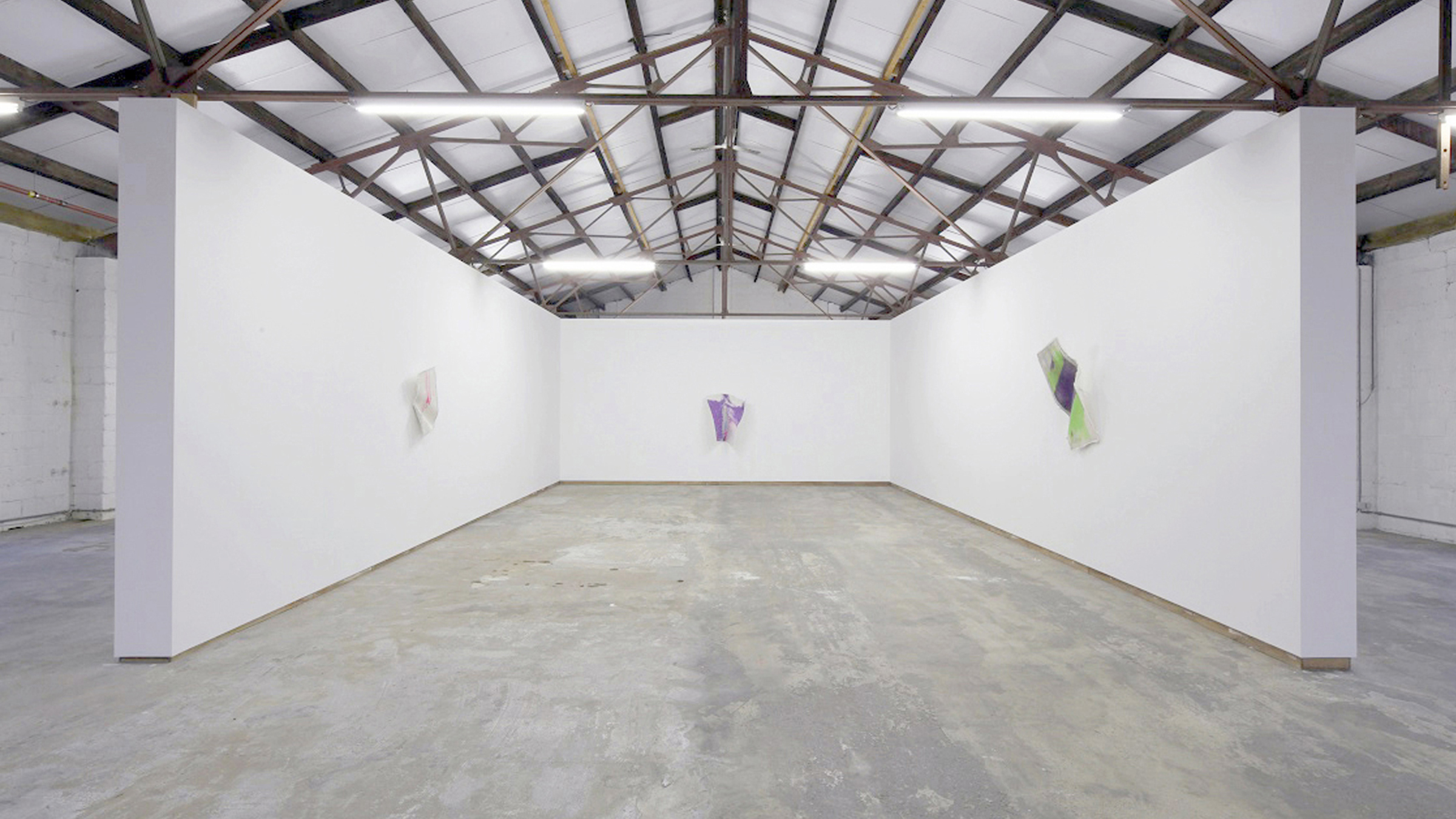
Works 2011
CIAP
Hasselt (BE)
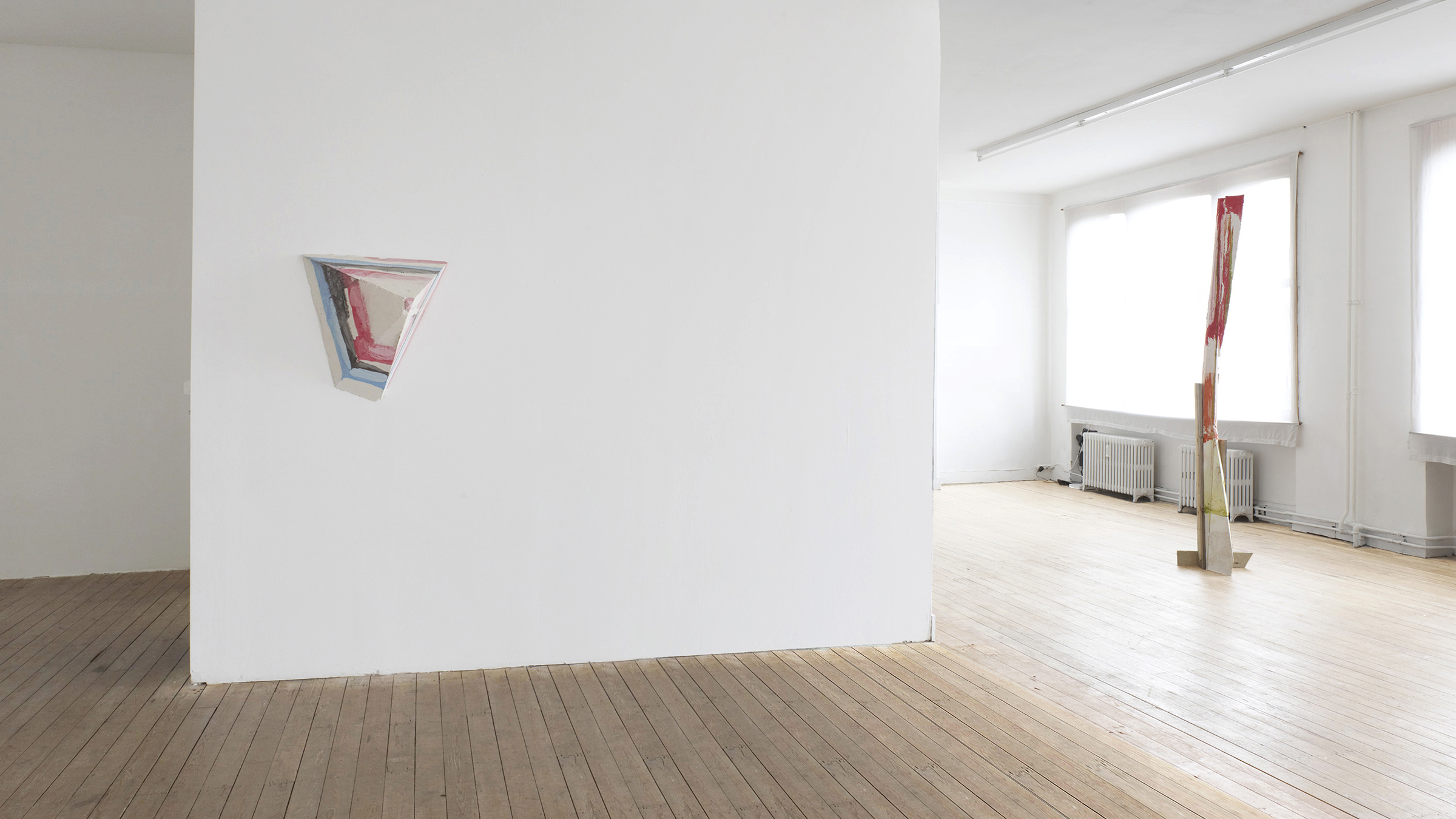
Group 5 2010
Gallery Tatjana Pieters
Ghent (BE)
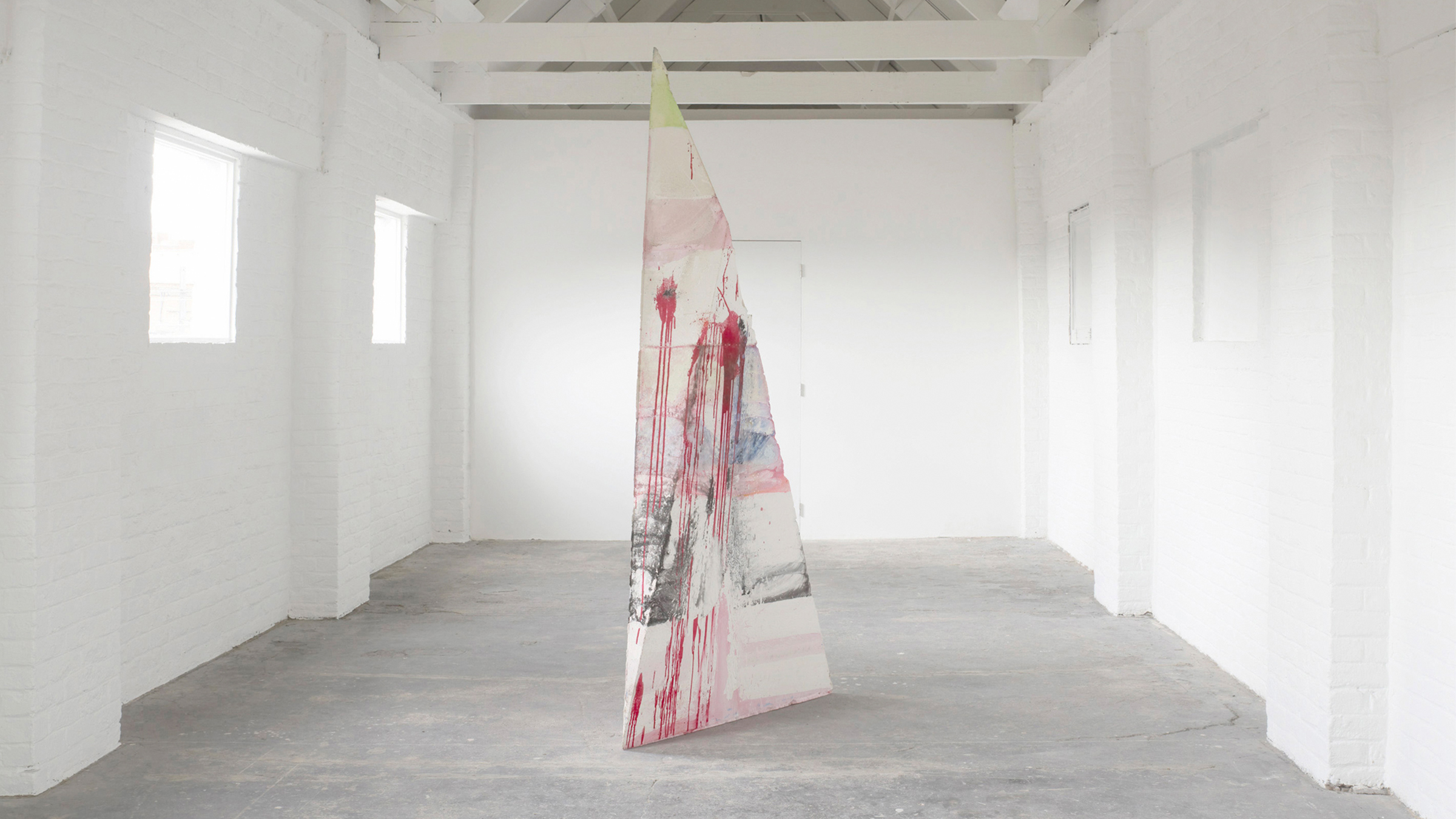
Prototypes 2010
Netwerk Art Centre
Aalst (BE)
Breathe 2025
IMMA
Dublin (IR)
Sculpture 2024
Kunsthaus Lempertz
Brussels (BE)
Angel 2023
Chapel Agios Antonios
Naxos (GR)
Phoenix 2022
Art Week
Luxembourg (LU)
Phoenix 2022
Jardin des Tuileries – Louvre
Paris (FR)
Eos 2022
Tour & Taxis
Brussels (BE)
Desire 2022
Gallery ÖktemAykut
Istanbul (TR)
Poems to Rome 2020
Academia Belgica
Rome (IT)
It 2019
Club Solo & Vanabbemuseum
Breda (NL)
The Beauty I feel 2018
Gallery Catherine Bastide
Marseille (FR)
Purity 2017
Gallery Nunu Fine Art
Taipei (TW)
Unvoid 2017
MOCA
Taipei (TW)
Fresco 2017
Künstlerhaus Bethanien
Berlin (DE)
Fresco 2017
Gallery Michael Janssen
Berlin (DE)
The Biennial of Painting 2016
Raveel Museum
Machelen aan de Leie (BE)
Endless Column 2014
Markthalle
Basel (CH)
Vector 2014
Forum d’Art Contemporain
Luxembourg (LU)
diSTANCES 2014
Gallery Michael Jansssen
Berlin (DE)
Interval 2012
SMAK
Ghent (BE)
Works 2011
CIAP
Hasselt (BE)
Group 5 2010
Gallery Tatjana Pieters
Ghent (BE)
Prototypes 2010
Netwerk Art Centre
Aalst (BE)
Public Flow
Public Flow is an ongoing sculptural research into the tension between inner fragility and civic scale.
This evolving body of work explores how sculptures can invite stillness, reflection, and openness within the rhythm of urban life.
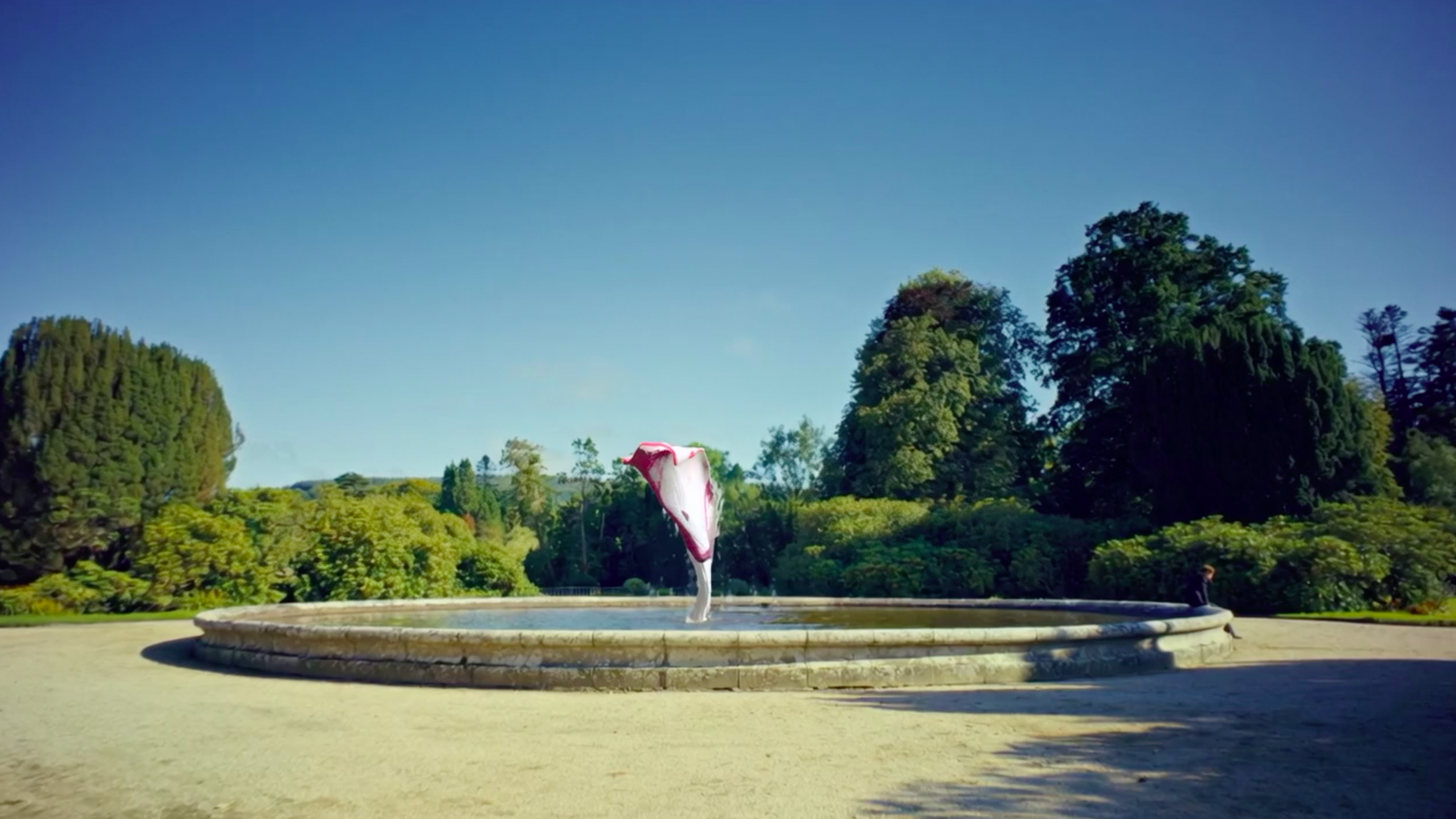
Fountain 2026
Curraghmore House & Garden
Portlaw (IR)
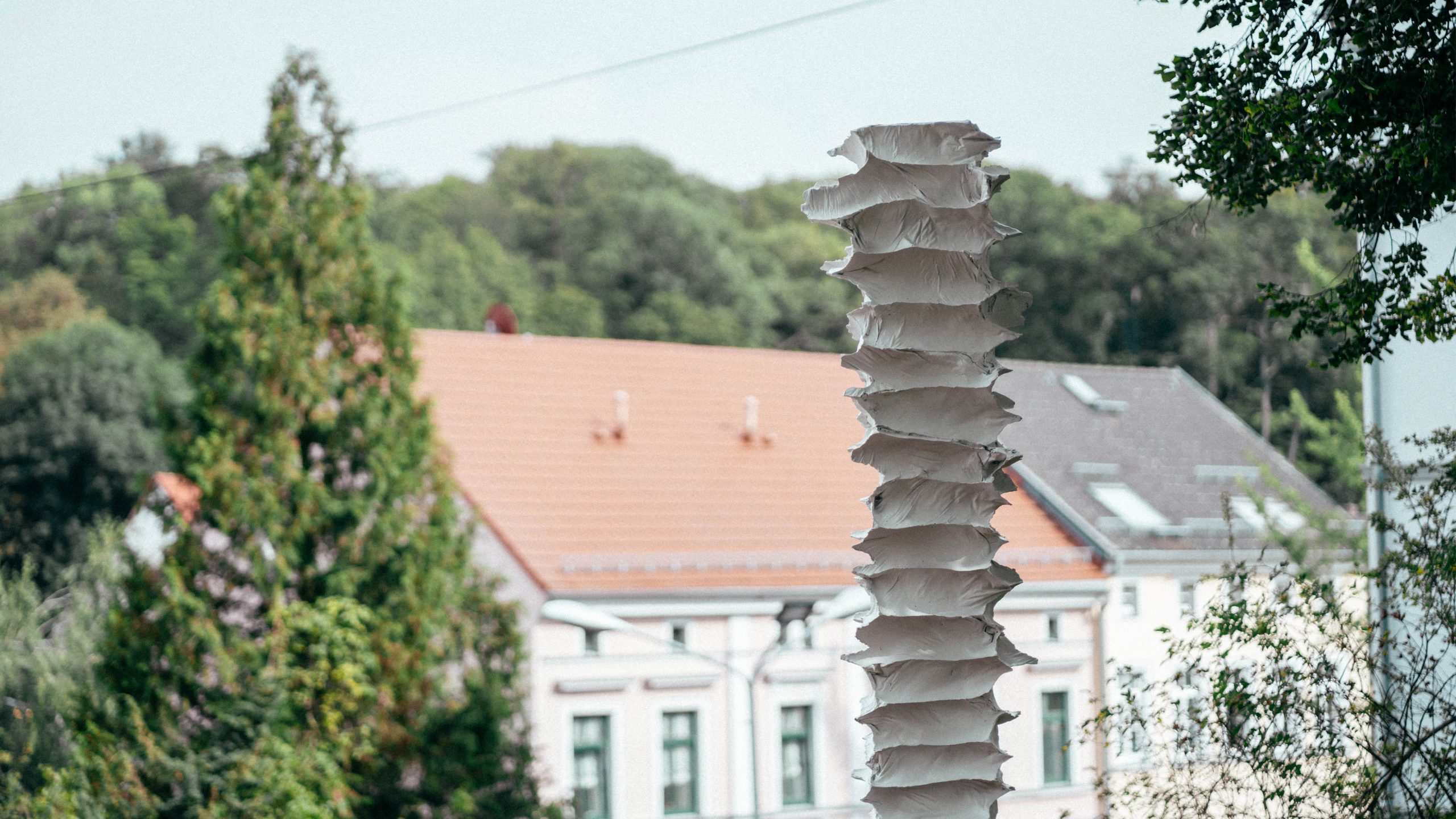
Endless Column 2025
European Capital of Culture
Chemnitz (DE)
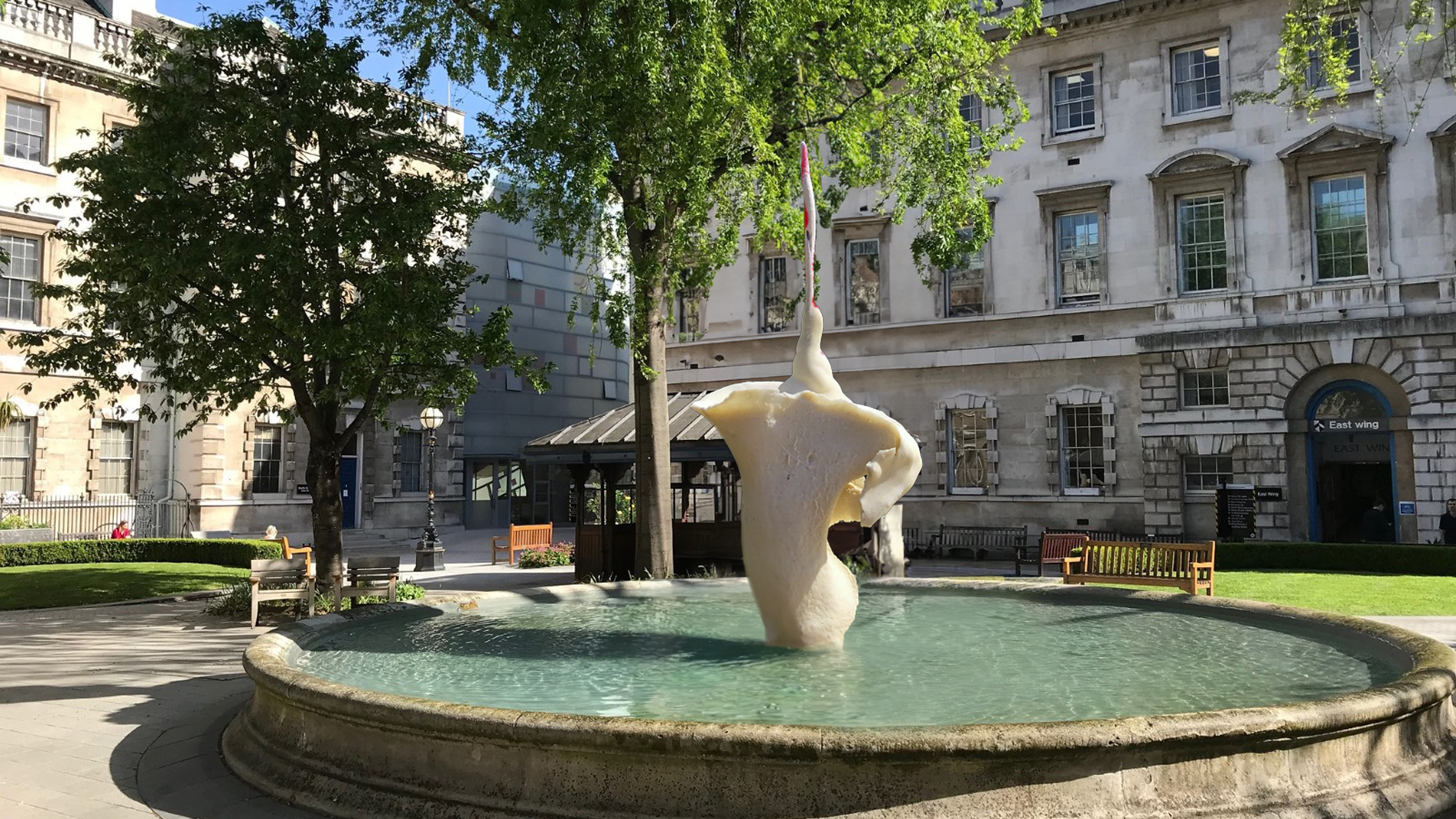
Fountain 2024
St Bartholomew’s Hospital
London (GB)
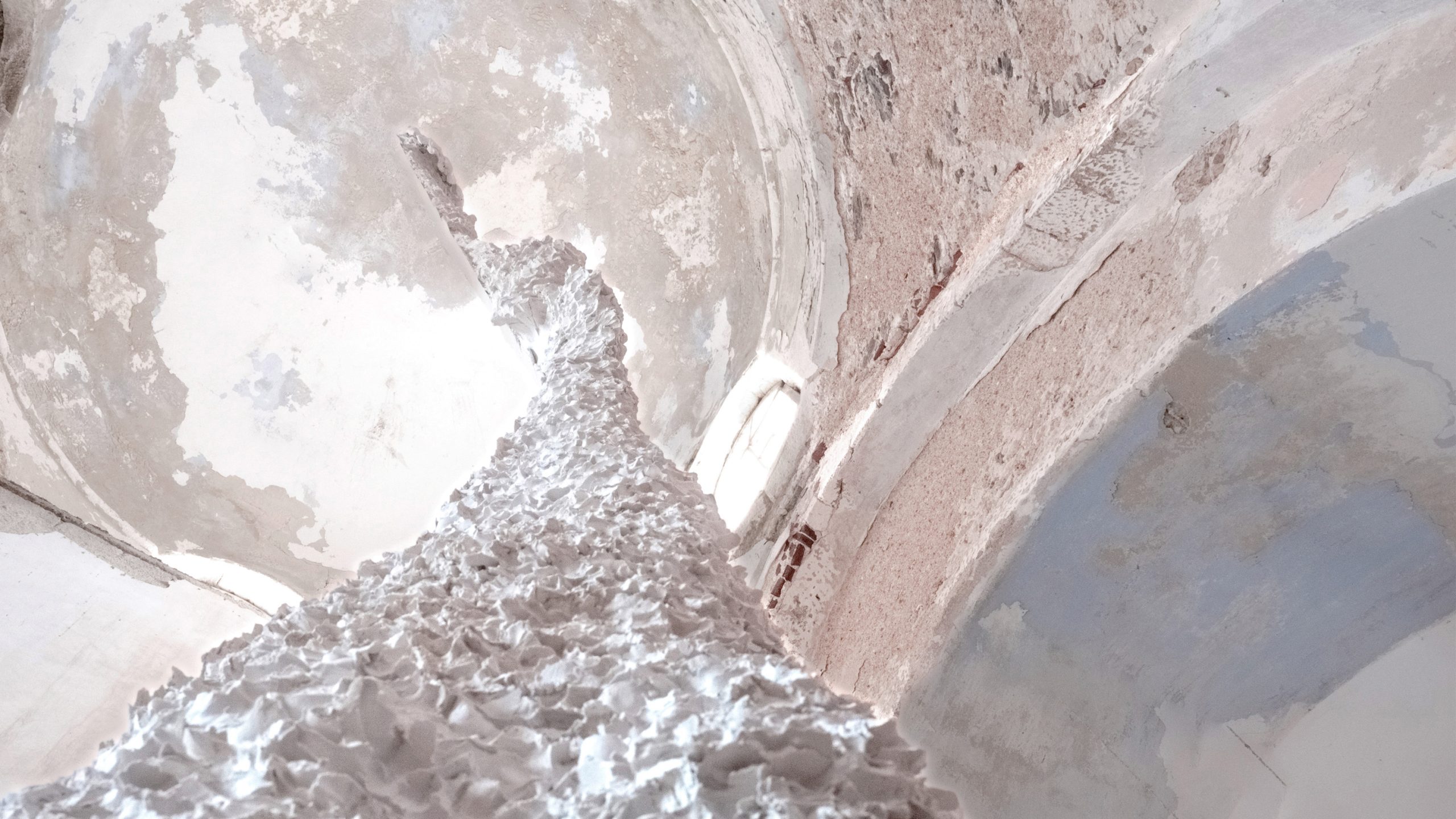
Angel 2023
Chapel Agios Antonios
Naxos (GR)
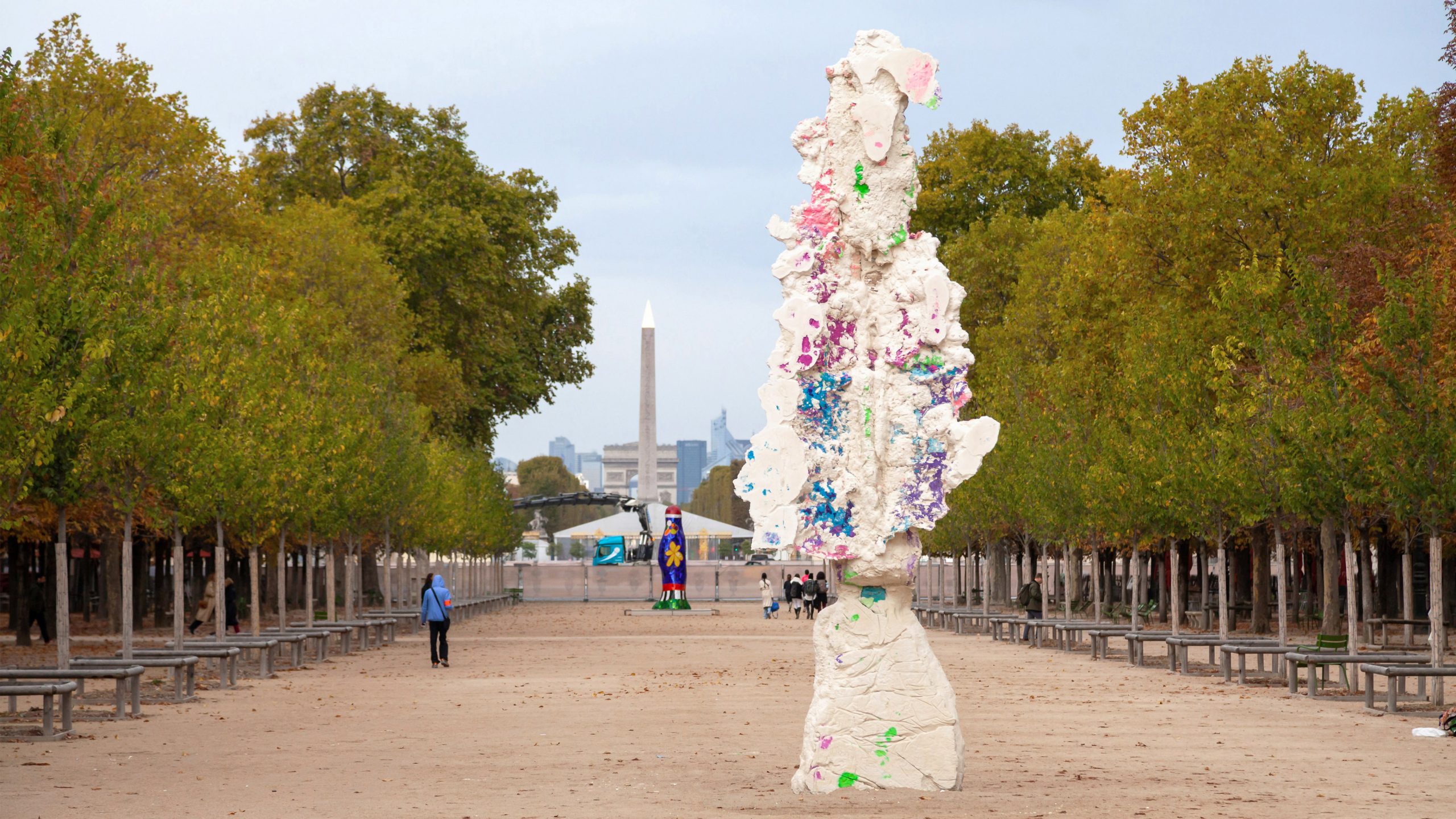
Phoenix 2022
Jardin des Tuileries – Louvre
Paris (FR)
Fountain 2026
Curraghmore House & Garden
Portlaw (IR)
Endless Column 2025
European Capital of Culture
Chemnitz (DE)
Fountain 2024
St Bartholomew’s Hospital
London (GB)
Angel 2023
Chapel Agios Antonios
Naxos (GR)
Phoenix 2022
Jardin des Tuileries – Louvre
Paris (FR)
Visit Us
Stijn Ank works while traveling and maintains a base in Belgium, which includes an artist residency near Brussels and a studio near Ghent. The residency, established between 2004 and 2008, serves as an anchor—a sculpted, archaic fold in the landscape.
Both the studio and residency are open to visits by appointment.
